The delicate skin surrounding your eyes reveals more about your age and lifestyle than perhaps any other facial area. This thin, sensitive region is prone to puffiness, dark circles, fine lines, and wrinkles—often making you appear tired and aged even when you're well-rested. For decades, consumers have sought effective solutions to address these concerns, from expensive creams to invasive procedures. Acetyl Tetrapeptide-5, also known as Eyeseryl, represents a scientifically-backed peptide that specifically targets under-eye aging and fluid retention. This powerful ingredient works at the cellular level to strengthen skin barriers, reduce puffiness, and improve the overall appearance of the eye area. Understanding how this peptide functions and what research supports its use can help you make informed decisions about your skincare routine.
What Is Acetyl Tetrapeptide-5?
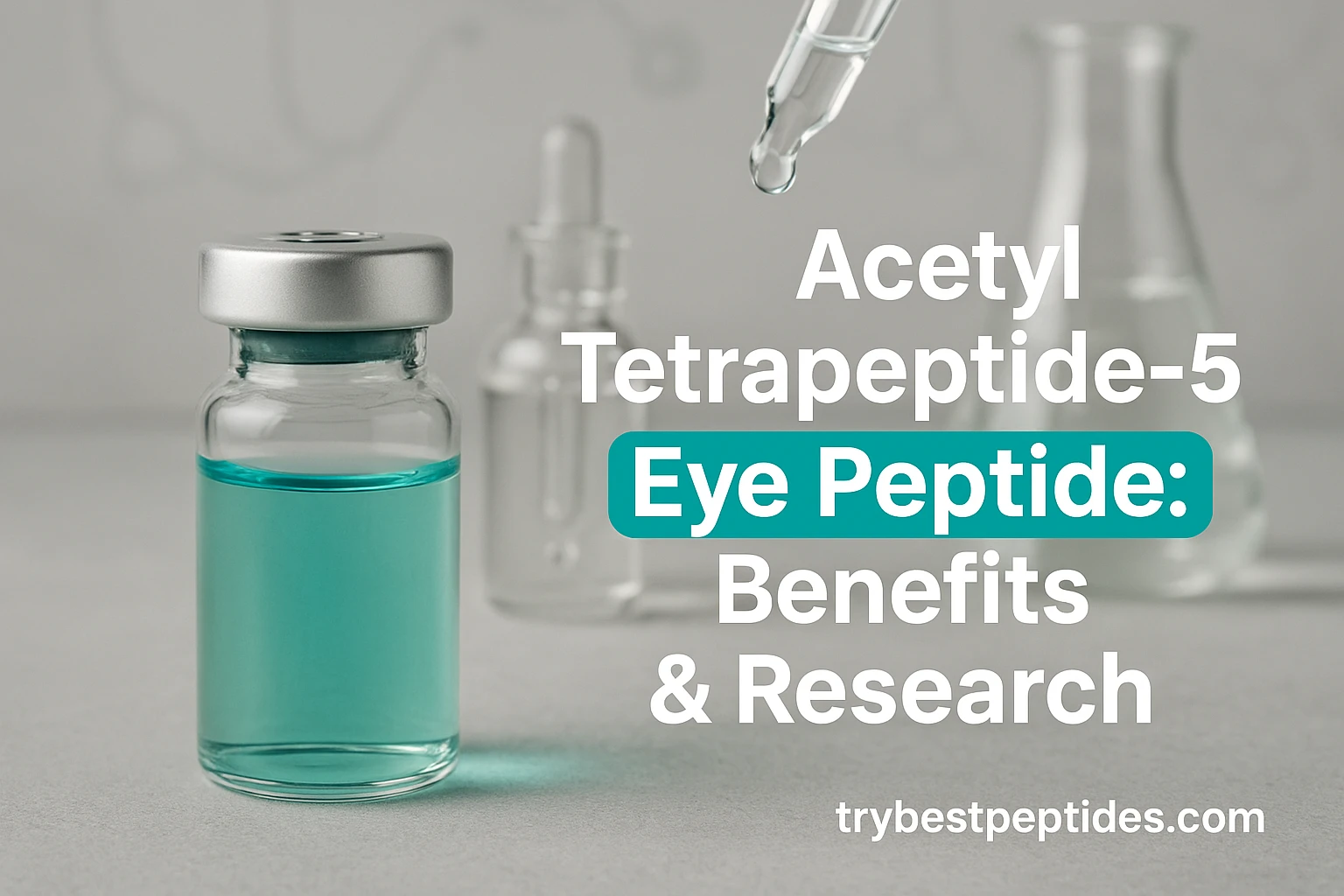
Acetyl Tetrapeptide-5 is a synthetic peptide composed of four amino acids, making it one of the smallest peptide compounds used in cosmetic formulations. The name "Eyeseryl" is its proprietary brand name, widely recognized in the skincare and cosmetics industry. This peptide was specifically engineered to address the unique challenges of periocular skin—the technical term for the tissue surrounding the eyes.
Unlike larger, more complex peptides, Acetyl Tetrapeptide-5's compact structure allows for enhanced skin penetration, potentially delivering benefits more effectively than bulkier molecular compounds. The peptide's composition enables it to interact with skin cells in ways that promote structural integrity and reduce visible signs of aging around the eye area.
The ingredient is classified as a biomimetic peptide, meaning it mimics natural biological processes within the skin. This approach allows it to work in harmony with your skin's existing mechanisms rather than forcing artificial changes through harsh chemical intervention.
How Acetyl Tetrapeptide-5 Works
The mechanism of action behind Acetyl Tetrapeptide-5 centers on its ability to strengthen the skin barrier and regulate fluid balance in the periocular region. Here's how this peptide delivers its benefits:
Strengthening the Skin Barrier
The eye area's skin is approximately 40% thinner than facial skin elsewhere, making it naturally more vulnerable to damage and dehydration. Acetyl Tetrapeptide-5 works by promoting the production of structural proteins that reinforce the skin's barrier function. A stronger barrier prevents transepidermal water loss (TEWL), keeping skin hydrated and plump—which naturally reduces the appearance of fine lines and wrinkles.
Reducing Puffiness and Fluid Retention
One of the peptide's most notable benefits is its ability to address under-eye puffiness. The mechanism involves regulating fluid accumulation in the periocular tissue. By improving lymphatic drainage and reducing inflammation, Acetyl Tetrapeptide-5 helps minimize the swollen appearance that develops from poor fluid management or overnight fluid retention.
Anti-Inflammatory Properties
Chronic inflammation contributes significantly to premature aging. This peptide exhibits anti-inflammatory properties that soothe irritated skin, reduce redness, and calm the sensitive eye area. By minimizing inflammatory responses, it supports the skin's natural healing processes and reduces the appearance of dark circles caused by vascular dilation and inflammation.
The Research on Acetyl Tetrapeptide-5
Scientific investigation into Acetyl Tetrapeptide-5 has produced promising results that support its efficacy for eye area concerns. Multiple studies demonstrate its capacity to improve visual signs of aging when applied topically.
In clinical evaluations, participants using products containing this peptide showed measurable reductions in under-eye puffiness within 4-8 weeks of consistent application. Many studies employed advanced imaging technology to document improvements in skin thickness, elasticity, and overall appearance. Researchers observed that the peptide's effectiveness improved with continued use, suggesting cumulative benefits over time.
Another significant finding involves the peptide's safety profile. Unlike some aggressive anti-aging ingredients, Acetyl Tetrapeptide-5 demonstrates minimal irritation potential, making it suitable for sensitive skin types and compatible with other skincare actives.
Research also indicates that this peptide works synergistically with complementary ingredients like hyaluronic acid, caffeine, and antioxidants, allowing for more comprehensive under-eye treatment formulations.
How to Use Acetyl Tetrapeptide-5
To maximize the benefits of Acetyl Tetrapeptide-5, proper application technique and consistency are essential.
Application Method: Apply the product gently around the orbital bone using your ring finger—the weakest digit, reducing unnecessary tugging on delicate skin. Pat rather than rub, as the under-eye area requires gentle handling to prevent damage to fragile tissue.
Frequency: Most formulations recommend twice-daily application—morning and evening. Morning application helps minimize puffiness that develops overnight, while evening application supports overnight repair processes.
Layering with Other Products: Apply Acetyl Tetrapeptide-5 products after cleansing and toning, but before heavier moisturizers or serums. This positioning allows optimal penetration. You can layer it with other peptides or hydrating ingredients, though it's advisable to introduce products gradually to monitor for any sensitivity.
Consistency Timeline: Results typically become visible after 4-6 weeks of consistent use. For optimal outcomes, maintain application for at least 8-12 weeks before evaluating effectiveness.
Safety and Side Effects
Acetyl Tetrapeptide-5 maintains an excellent safety record, with most users experiencing no adverse effects. The peptide's small molecular size and biocompatible structure contribute to its tolerability across diverse skin types.
Potential Side Effects: While uncommon, some individuals may experience mild redness, itching, or sensitivity upon initial use. These reactions typically diminish as skin acclimates to the ingredient. Discontinue use if irritation persists beyond one week.
Compatibility Considerations: This peptide is generally compatible with most skincare ingredients, including retinoids, niacinamide, and antioxidants. However, avoid combining with highly acidic products immediately after application, as this may temporarily compromise skin barrier function.
Patch Testing Recommendation: Before full facial application, test the product on a small area of skin (such as behind the ear) to ensure compatibility with your skin's sensitivities.
Contraindications: Individuals with known peptide allergies should exercise caution. Pregnant or nursing individuals should consult healthcare providers before incorporating new actives, though Acetyl Tetrapeptide-5 is considered low-risk during these periods.
Frequently Asked Questions
How does Acetyl Tetrapeptide-5 compare to retinol for under-eye treatment?
While retinol offers powerful anti-aging benefits through cellular turnover acceleration, Acetyl Tetrapeptide-5 works through barrier strengthening and inflammation reduction. They complement each other well—retinol drives deeper structural changes while the peptide provides surface support and protection.
Can I use this peptide around my eyes if I have sensitive skin?
Yes, Acetyl Tetrapeptide-5 is specifically formulated for sensitive areas and typically causes less irritation than many conventional eye treatments. Start with lower concentrations if you have reactive skin.
How long before I see visible results?
Most users observe noticeable improvements in puffiness within 2-4 weeks, with continued improvements in fine lines and overall appearance over 8-12 weeks of consistent use.
Is this ingredient suitable for all ages?
Acetyl Tetrapeptide-5 benefits individuals from their 20s onward, though it's particularly effective for those showing early signs of under-eye aging. Prevention-focused younger users can benefit from its strengthening and protective properties.
Bottom Line
Acetyl Tetrapeptide-5 represents a scientifically-supported solution for one of skincare's most challenging areas—the delicate eye region. By strengthening skin barriers, reducing inflammation, and regulating fluid balance, this peptide addresses multiple aging concerns simultaneously. Its excellent safety profile and compatibility with other ingredients make it an accessible option for diverse skin types and conditions.
The research supporting this ingredient is compelling, with documented improvements in puffiness, fine lines, and overall skin quality. When combined with consistent application and complementary skincare practices, Acetyl Tetrapeptide-5 delivers measurable results that justify its presence in advanced eye care formulations.
If under-eye concerns have prompted you to seek effective solutions, Acetyl Tetrapeptide-5 warrants serious consideration as part of a comprehensive anti-aging skincare strategy.
Key Takeaways
- Acetyl Tetrapeptide-5 (Eyeseryl) is a four-amino acid peptide specifically engineered to address periocular skin concerns
- The peptide works through three primary mechanisms: barrier strengthening, puffiness reduction, and inflammation minimization
- Clinical research demonstrates measurable improvements in under-eye puffiness and fine lines within 4-8 weeks
- This ingredient is highly compatible with other skincare actives and suitable for sensitive skin types
- Twice-daily application for 8-12 weeks is recommended for optimal visible results
- Its excellent safety profile makes it a lower-risk alternative to invasive eye area treatments
-