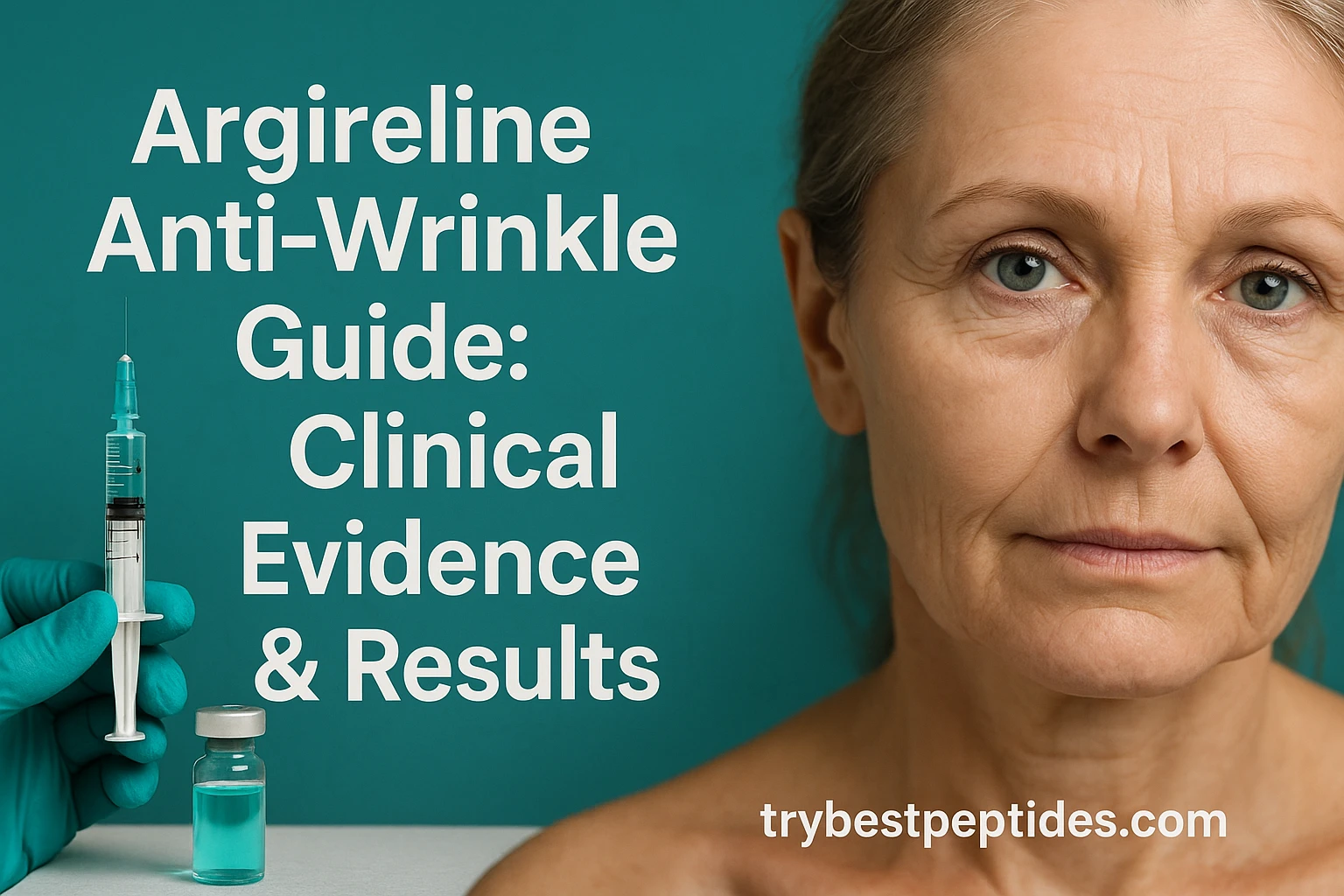
You've likely encountered the phrase "Botox in a bottle" plastered across skincare advertisements, social media content, and beauty forums. It's undeniably catchy and effective for sales, yet fundamentally misleading about what Argireline actually does. This comprehensive guide cuts through the marketing noise to explain how Argireline (Acetyl Hexapeptide-3) works, what clinical research reveals about its effectiveness, and how it compares to established anti-aging solutions. Whether you're a skincare enthusiast seeking to understand peptide technology or a professional evaluating ingredients for product formulation, this resource provides evidence-based insights into one of the skincare industry's most misunderstood peptides. Understanding the difference between Argireline's actual mechanism and exaggerated claims is essential for making informed decisions about anti-wrinkle treatments.
What Is Argireline?
Argireline is a synthetic hexapeptide, scientifically designated as Acetyl Hexapeptide-3. It was developed in the early 2000s by Spanish cosmetic research company Lipotec as a topical alternative to botulinum toxin (Botox). The peptide consists of six amino acids connected in a specific sequence, designed to mimic the behavior of naturally occurring proteins within muscle tissue.
The fundamental premise behind Argireline's development was creating a non-invasive, topical agent that could reduce the appearance of fine lines and wrinkles without injections. Unlike Botox, which requires medical administration, Argireline can be incorporated into serums, creams, and other skincare products for consumer use. However, this accessibility comes with important limitations regarding penetration and efficacy that distinguish it significantly from prescription-strength treatments.
How Argireline Works: The SNARE Complex Mechanism
Understanding Argireline's mechanism requires examining the biological processes underlying muscle contractions that create wrinkles. When facial muscles contract repeatedly over decades, they form static lines and wrinkles. Botox prevents these contractions by blocking acetylcholine release at the neuromuscular junction.
Argireline targets a similar biological pathway through the SNARE complex, which comprises proteins responsible for releasing neurotransmitters. The peptide's theoretical mechanism involves inhibiting the formation or function of these protein complexes, thereby reducing signal transmission between nerves and muscles. In practical terms, this would translate to decreased muscle contractions and consequently fewer dynamic wrinkles.
However, critical distinctions exist between Argireline's proposed mechanism and its actual penetration through skin barriers. Topical application presents a substantial challenge for peptide absorption due to the skin's protective nature. Most studies examining Argireline's effects operate in controlled laboratory environments that don't perfectly replicate real-world skincare usage. This gap between laboratory results and consumer outcomes remains a crucial consideration when evaluating marketing claims versus scientific evidence.
Clinical Research: Efficacy and Realistic Results
Multiple peer-reviewed studies have investigated Argireline's effectiveness, with results showing measurable but modest improvements in wrinkle appearance. A landmark clinical trial demonstrated a 30% reduction in wrinkle depth after consistent application over four weeks, with maximum improvements noted around twelve weeks of regular use.
Key findings from clinical research include:
- Visible wrinkle reduction in dynamic expression lines, particularly around the forehead and between eyebrows
- Gradual onset of effects, typically requiring 4-12 weeks of consistent application for noticeable results
- Dependency on concentration with higher peptide concentrations showing more pronounced effects
- Synergistic potential when combined with other anti-aging ingredients like hyaluronic acid or retinol
- Temporary effects that reverse after discontinuing use, similar to other topical anti-aging agents
Research quality varies significantly across published studies, with some demonstrating rigorous methodology while others lack proper control groups or sufficient sample sizes. Independent studies tend to show more modest results than manufacturer-sponsored research, suggesting that realistic expectations should account for this variance.
Argireline vs. Botox: Understanding the Differences
The "Botox in a bottle" comparison, while appealing to consumers, oversimplifies fundamental differences between these treatments. Understanding these distinctions prevents unrealistic expectations and guides appropriate product selection.
Mechanism of Action: Botox directly blocks acetylcholine release through enzymatic cleavage of SNARE proteins. Argireline theoretically inhibits SNARE complex assembly, a less direct and potentially less effective mechanism.
Penetration and Bioavailability: Botox works at the injection site within muscle tissue. Argireline must penetrate multiple skin layers topically, facing significant bioavailability challenges. This directly impacts efficacy—what works in laboratory conditions may have limited effect on living skin.
Onset Timeline: Botox produces noticeable results within three to seven days, with maximum effects at two weeks. Argireline requires four to twelve weeks for visible improvement.
Durability: Botox effects persist three to four months. Argireline benefits disappear within weeks of discontinuing use.
Invasiveness: Botox requires injections and medical supervision. Argireline integrates into daily skincare routines without professional intervention.
Cost Considerations: Professional Botox treatments cost significantly more initially but provide longer-lasting results. Argireline products cost less per unit but require continuous repurchase for maintained benefits.
For those seeking dramatic wrinkle reduction, Botox remains superior. For consumers preferring gradual, non-invasive improvement as preventative maintenance, Argireline presents a viable option with realistic expectations.
Argireline vs. Other Anti-Aging Peptides
The peptide market includes numerous alternatives, each with distinct mechanisms and efficacy profiles. Comparing Argireline to other peptide-based solutions provides perspective on its positioning within anti-aging chemistry.
Matrixyl and Palmitoyl Pentapeptide-4 focus on stimulating collagen synthesis rather than muscle relaxation, addressing wrinkles through skin structural improvement rather than expression inhibition. Research suggests comparable efficacy to Argireline with potentially additive effects when used together.
Copper Peptides demonstrate broader biological activity, supporting collagen remodeling, skin elasticity, and wound healing. Some studies suggest superior anti-aging benefits compared to Argireline alone, though individual response variation remains significant.
Syn-Ake mimics snake venom peptides, inhibiting acetylcholine release through a different pathway. Limited but promising research suggests comparable or superior efficacy to Argireline, though fewer long-term studies exist.
Combining complementary peptides—such as Argireline with collagen-stimulating peptides—may provide synergistic benefits exceeding individual ingredient performance. However, research validating specific combinations remains limited, making personalized experimentation often necessary for optimal results.
How to Use Argireline for Maximum Benefit
Proper application methodology significantly influences Argireline's effectiveness. Following evidence-based usage guidelines maximizes the likelihood of observable results.
Concentration Matters: Products containing 3-10% Argireline concentration show better results than lower concentrations. Check ingredient lists to verify adequate peptide concentration rather than relying on marketing descriptions.
Application Protocol: Apply Argireline serums to clean, dry skin before heavier moisturizers. The peptide's molecular size benefits from application to unoccluded skin, allowing better penetration. Apply twice daily for consistent results, morning and evening.
Timeline Expectations: Commit to minimum four-week consistent use before evaluating effectiveness. Most users notice subtle improvements by week four, with more pronounced results emerging by weeks eight to twelve.
Combination Considerations: Argireline works synergistically with retinol, vitamin C, and hyaluronic acid. However, avoid combining with exfoliating acids immediately, as this may compromise skin barrier integrity and reduce peptide absorption.
Storage and Stability: Peptides degrade under heat, light, and oxidative conditions. Store Argireline products in cool, dark locations and use appropriate airless packaging to maintain stability and efficacy throughout the product's shelf life.
Safety Profile and Side Effects
Argireline demonstrates a favorable safety profile across most populations, with minimal reported adverse effects during clinical trials and consumer use. Understanding potential reactions helps users recognize whether responses fall within expected parameters.
Documented Side Effects: Most users experience no adverse reactions. Occasionally reported mild effects include temporary skin irritation, redness, or sensitivity, particularly in individuals with compromised skin barriers or reactive skin types. These typically resolve within days of continued use as the skin adapts.
Contraindications: Argireline is contraindicated for pregnant or nursing women, though this reflects general caution rather than documented harm. Individuals with known peptide allergies should conduct patch tests before full-face application. Those using prescription retinoids or undergoing active dermatological treatments should consult healthcare providers before introduction.
Long-Term Safety: No long-term toxicity has been documented in available research. The peptide's topical nature and limited systemic absorption suggests minimal risk of cumulative toxicity, though genuinely long-term studies remain limited.
Quality Considerations: Purchase Argireline products from reputable manufacturers conducting third-party testing. Contaminated or improperly formulated peptide products may cause unexpected reactions unrelated to the peptide itself.
Frequently Asked Questions
How quickly will I see results from Argireline? Most users notice subtle improvements around week four, with more apparent results by eight to twelve weeks. Individual timelines vary based on skin type, product concentration, and consistency of use.
Can I use Argireline with retinol? Yes, but introduce gradually. Applying Argireline in the morning and retinol in the evening minimizes potential irritation while allowing both ingredients to work effectively.
Is Argireline safe for sensitive skin? Generally yes, though introduction should be gradual. Start with alternate-day application, progressing to daily use as tolerance develops. Discontinue if persistent irritation occurs.
Will results disappear if I stop using Argireline? Yes, benefits gradually reverse within weeks of discontinuing use, as with other topical anti-aging products. This reflects Argireline's mechanism of action rather than indicating failure.
How does Argireline differ from Botox? Botox injections provide stronger, faster results lasting months. Argireline offers gentler, gradual improvement through topical application without medical intervention or invasiveness.
The Bottom Line
Argireline represents a legitimate anti-aging peptide with clinical evidence supporting modest wrinkle reduction through regular topical application. However, reality diverges significantly from "Botox in a bottle" marketing rhetoric. The peptide works gradually, produces subtle improvements rather than dramatic transformation, and requires consistent, long-term use to maintain benefits.
For individuals seeking preventative anti-aging maintenance, willing to commit to consistent daily application, and maintaining realistic expectations about improvement magnitude, Argireline-containing products offer an accessible, non-invasive option with favorable safety profiles. For those desiring rapid, significant wrinkle reduction, professional treatments remain superior.
Evidence-based skincare relies on understanding ingredient mechanisms, respecting research limitations, and aligning product selection with personal goals and expectations. Argireline occupies a legitimate role within anti-aging chemistry when positioned appropriately and applied with proper understanding of its capabilities and limitations.
Key Takeaways
- Argireline is not Botox equivalent — it works through a less direct mechanism with more modest results and longer onset times
- Clinical research supports modest efficacy — expect 20-30% wrinkle reduction with consistent use over 8-12 weeks
- Concentration and consistency matter — look for 3-10% Argireline concentration and maintain twice-daily application
- Results are temporary — benefits depend on ongoing use, reversing within weeks of discontinuation
- Safety profile is favorable — minimal side effects reported, suitable for most skin types with appropriate introduction
- Combine strategically — Argireline works synergistically with collagen-boosting peptides and complementary anti-aging ingredients
- Manage expectations realistically — position Argireline as preventative maintenance and gradual improvement, not dramatic transformation
-