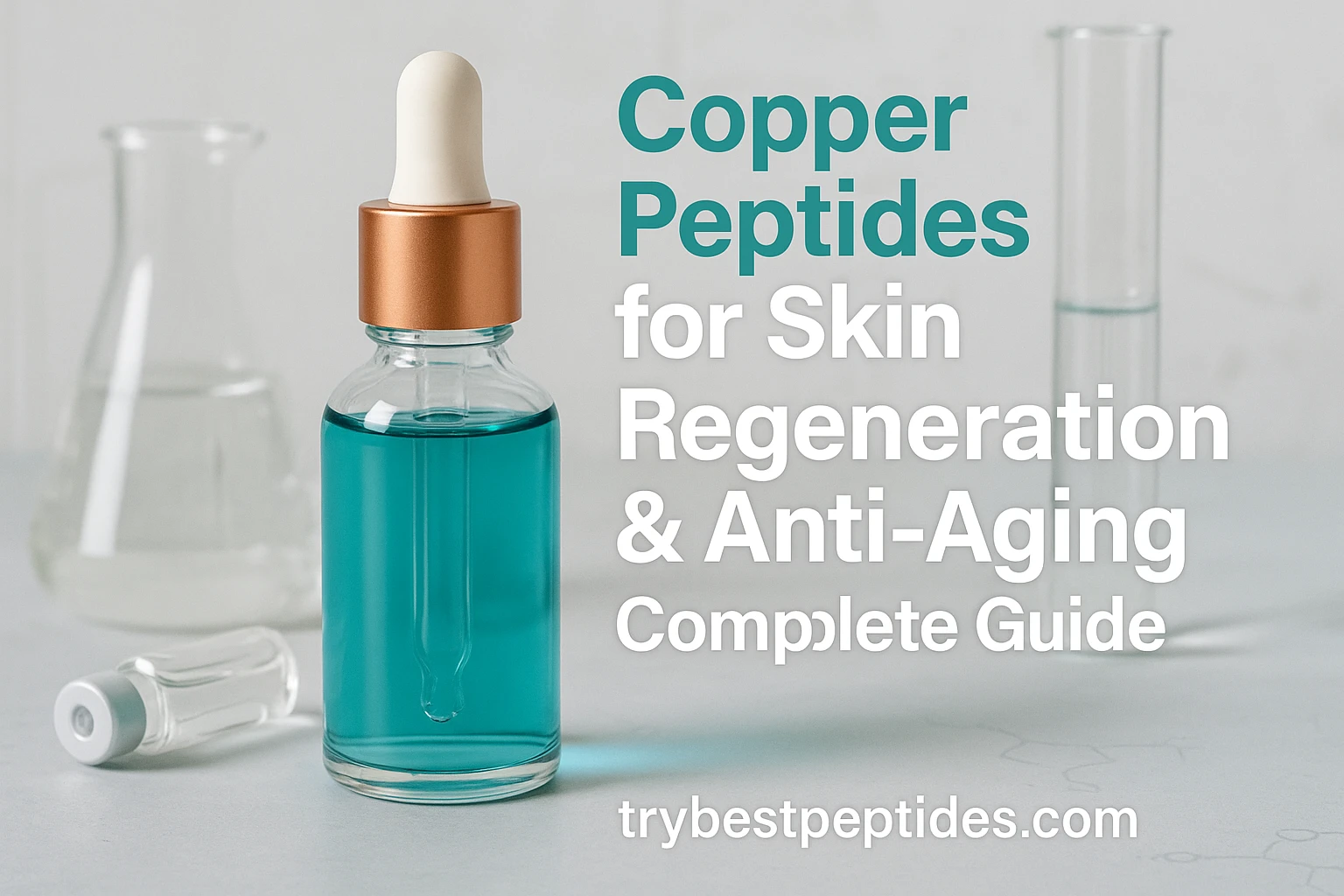
Copper peptides represent one of the most innovative breakthroughs in modern skincare science, combining the power of copper with amino acid chains to deliver remarkable results for skin health and rejuvenation. These bioactive compounds have gained significant attention in the cosmetic and dermatological industries for their ability to stimulate collagen production, accelerate wound healing, and reduce visible signs of aging. Whether you're a skincare professional, cosmetic formulator, or someone seeking advanced anti-aging solutions, understanding copper peptides and their mechanisms is essential for harnessing their full potential. This comprehensive guide explores the science behind copper peptides, their proven benefits, applications in cosmetic formulations, and practical considerations for incorporating them into your skincare routine.
Understanding Copper Peptides: The Science Behind the Innovation
Copper peptides are complexes formed by binding copper ions to short chains of amino acids, creating bioactive molecules that interact synergistically with skin at the cellular level. The copper component plays a crucial role in activating enzymes essential for collagen and elastin synthesis, while the peptide chains provide the structural framework for targeted delivery and cellular recognition.
The science of copper peptides dates back to research conducted by dermatologist Dr. Loren Pickart in the 1970s, who discovered that copper complexes could stimulate collagen production and wound healing. These findings revolutionized skincare formulation, leading to the development of copper peptide complexes specifically designed for cosmetic applications. The most common forms include GHK-Cu (a tripeptide copper complex) and other copper-binding peptides that enhance skin renewal processes.
When applied topically, copper peptides penetrate the dermal layer where they activate fibroblasts—the cells responsible for producing collagen and elastin. This activation triggers a cascade of beneficial biochemical reactions that strengthen skin structure, improve elasticity, and promote cellular regeneration.
The Multiple Benefits of Copper Peptides for Skin Health
Enhanced Collagen and Elastin Production
One of the most compelling benefits of copper peptides is their ability to stimulate the production of collagen and elastin, two essential proteins that maintain skin firmness and elasticity. As we age, collagen production naturally declines, resulting in fine lines, wrinkles, and loss of skin firmness. Copper peptides work by signaling fibroblasts to increase synthesis of these structural proteins, effectively reversing some signs of aging from within.
Clinical studies have demonstrated that regular application of copper peptide-enriched products can lead to measurable improvements in skin thickness and elasticity within 8-12 weeks of consistent use.
Accelerated Wound Healing and Skin Repair
Copper peptides play a vital role in accelerating the wound healing process by promoting angiogenesis (formation of new blood vessels) and enhancing the synthesis of extracellular matrix components. This property makes them particularly valuable for post-procedure skincare, treating minor cuts and abrasions, and addressing damaged or compromised skin barriers.
The peptides stimulate growth factors and increase oxygen delivery to affected areas, facilitating faster tissue repair and reducing inflammation. Many dermatologists recommend copper peptide products for post-laser treatment, microneedling recovery, and chemical peel aftercare.
Powerful Antioxidant and Anti-Inflammatory Properties
Copper plays a critical role in activating superoxide dismutase, a powerful antioxidant enzyme that neutralizes free radicals and protects skin from oxidative stress. This antioxidant activity helps prevent premature aging, reduces inflammation, and protects against environmental damage from pollution and UV exposure.
The anti-inflammatory properties of copper peptides make them suitable for sensitive skin types and conditions like rosacea or mild acne, where traditional actives might cause irritation.
Improved Skin Firmness and Reduced Fine Lines
By promoting collagen synthesis and strengthening the dermal matrix, copper peptides visibly improve skin firmness and texture. Users often report a reduction in fine lines, particularly around the eyes and mouth, along with a more lifted and toned appearance. The cumulative effect of improved collagen architecture translates to smoother, more youthful-looking skin.
Copper Peptides in Cosmetic Formulations
Cosmetic formulators have developed numerous delivery systems and product types to maximize the efficacy of copper peptides while ensuring stability and bioavailability. Understanding these formulation approaches helps consumers choose the most effective products for their needs.
Serums and Essences represent the most popular delivery format for copper peptides, offering high concentrations and rapid absorption. These lightweight formulations penetrate efficiently and can be layered with other skincare products.
Creams and Moisturizers incorporate copper peptides at moderate concentrations, providing hydration alongside skin-repairing benefits. These are ideal for users with dry skin or those seeking an all-in-one solution.
Professional-Grade Treatments including masks, ampoules, and targeted eye creams deliver concentrated doses of copper peptides for intensive repair and rejuvenation. These products are often used as weekly treatments or post-procedure care.
Combination Formulas pair copper peptides with complementary ingredients like hyaluronic acid, niacinamide, or vitamin C to enhance results and address multiple skin concerns simultaneously.
Optimal Usage and Application Guidelines
To maximize the benefits of copper peptides, proper application techniques and consistency are essential. Apply copper peptide products to clean, slightly damp skin for optimal absorption. Use morning and evening for best results, allowing each layer to absorb before applying subsequent products.
For serum formulations, typically 2-3 drops are sufficient for the entire face and neck. Pat gently into skin rather than rubbing, which can cause irritation. Copper peptides are compatible with most skincare ingredients, though some users prefer using them separately from vitamin C due to pH considerations.
Consistency is crucial—expect to see noticeable results after 6-8 weeks of regular use. Many users report continued improvements over 12-16 weeks as collagen synthesis accelerates and skin structure strengthens.
Safety Considerations and Potential Side Effects
Copper peptides are generally well-tolerated and safe for most skin types when used as directed. However, certain considerations warrant attention:
Copper Sensitivity: Some individuals with copper sensitivities may experience mild irritation. Patch testing is recommended before full application.
Interactions with Certain Products: While copper peptides are compatible with most skincare ingredients, combining them with high concentrations of vitamin C (at different pH levels) may reduce efficacy. Space application times if using both.
Pregnancy and Nursing: Although topical copper peptides are considered safe, pregnant and nursing individuals should consult healthcare providers before introducing new actives.
Allergic Reactions: Rare cases of allergic reactions to copper complexes have been documented. Discontinue use if redness, itching, or swelling occurs.
The Future of Copper Peptides in Skincare
Research continues to expand the potential applications of copper peptides beyond traditional anti-aging. Scientists are investigating their role in treating specific skin conditions, enhancing barrier function, and developing new delivery systems that improve bioavailability and efficacy.
Emerging research suggests copper peptides may play a role in managing photodamaged skin, improving skin tone consistency, and accelerating recovery from professional treatments. As formulation technology advances, we can expect more sophisticated copper peptide products with enhanced stability and performance.
Conclusion
Copper peptides represent a scientifically-supported solution for those seeking effective skin regeneration and repair. Their ability to stimulate collagen production, accelerate healing, and provide antioxidant protection makes them a valuable addition to any comprehensive skincare regimen. Whether addressing fine lines, supporting skin barrier health, or recovering from professional treatments, copper peptides deliver measurable results grounded in solid dermatological research.
The versatility of copper peptides allows them to integrate seamlessly into various skincare routines and formulations, making them accessible to diverse skin types and concerns. As research continues to illuminate their potential, copper peptides will likely remain at the forefront of innovative cosmetic science.
Key Takeaways
-
Mechanism of Action: Copper peptides bind copper ions to amino acid chains, activating fibroblasts to increase collagen and elastin production at the cellular level.
-
Primary Benefits: Enhanced collagen synthesis, accelerated wound healing, antioxidant protection, and visible reduction in fine lines and improved skin firmness.
-
Optimal Results: Consistent use for 6-8 weeks shows noticeable improvements, with continued benefits developing over 12-16 weeks.
-
Formulation Variety: Available in serums, creams, masks, and professional-grade treatments, allowing flexible integration into skincare routines.
-
Safety Profile: Generally well-tolerated with minimal side effects; patch testing recommended for individuals with copper sensitivities.
-
Compatibility: Works synergistically with most skincare ingredients, though spacing with high-pH vitamin C formulations is advisable.
-
Future Potential: Ongoing research explores expanded applications in treating photodamage, improving barrier function, and enhancing post-procedure recovery.
-