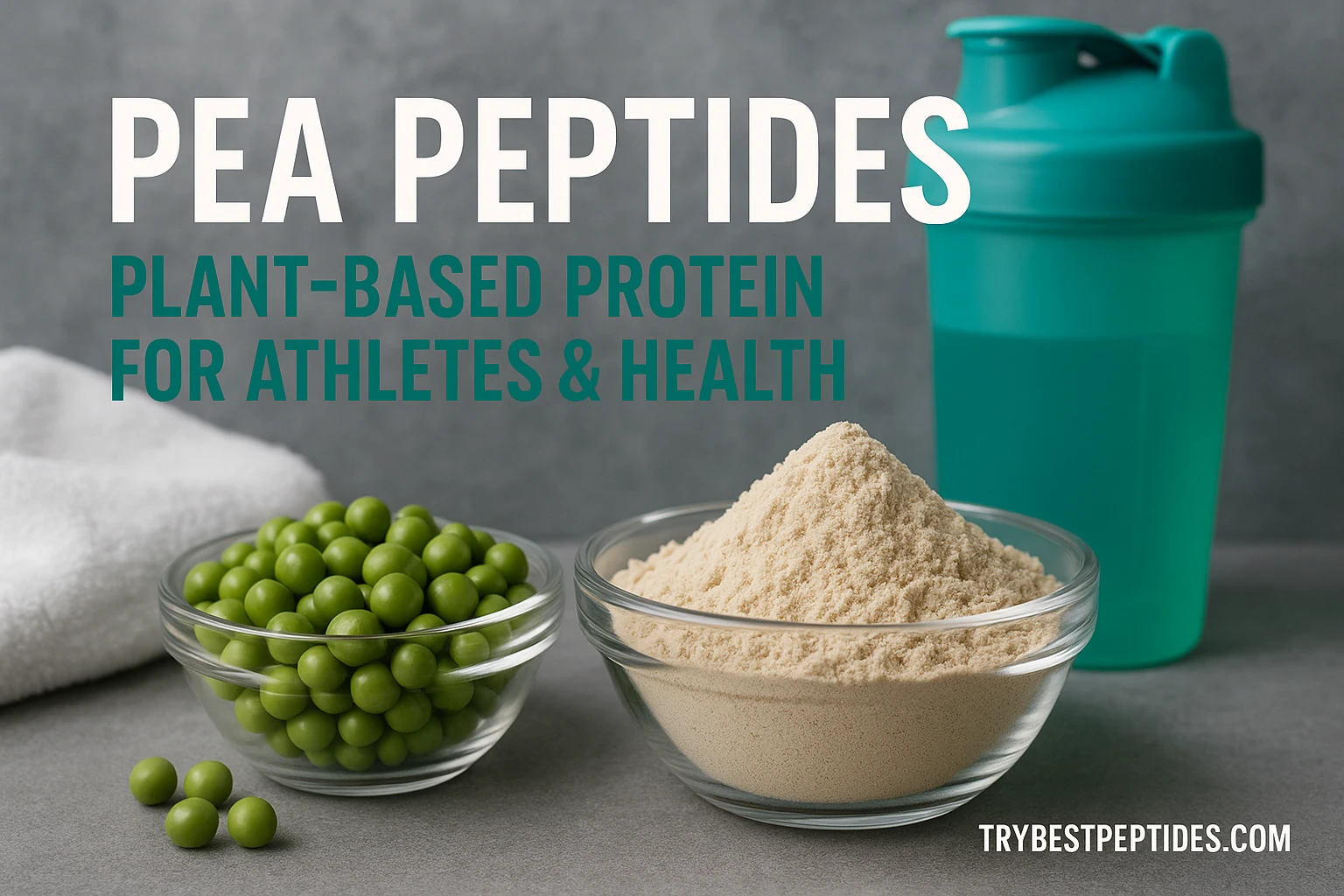
Pea peptides represent a revolutionary advancement in plant-based protein supplementation, offering athletes, fitness enthusiasts, and health-conscious consumers a powerful alternative to traditional animal-derived proteins. Derived from yellow peas through enzymatic hydrolysis, these bioactive compounds are rapidly gaining recognition for their exceptional amino acid profile, superior digestibility, and hypoallergenic properties. Unlike many plant proteins that trigger allergic responses or cause digestive discomfort, pea peptides deliver complete protein benefits without the common side effects associated with dairy, soy, or other conventional sources. This comprehensive guide explores the science behind pea peptides, their nutritional composition, health benefits, and practical applications in modern supplementation.
What Are Pea Peptides?
Pea peptides are short-chain amino acid sequences derived from pea protein through advanced hydrolysis processes. During this enzymatic breakdown, larger protein molecules are fragmented into smaller, more bioavailable peptides typically containing 2-20 amino acids per molecule. This controlled decomposition significantly enhances absorption rates compared to whole pea protein, allowing your body to utilize nutrients more efficiently.
The production process begins with high-quality yellow peas, which are mechanically separated to extract the protein-rich content. Through enzymatic hydrolysis using specific proteases, the protein matrix breaks down into individual peptides. This methodology preserves the nutritional integrity while improving digestibility and bioavailability, making pea peptides an ideal choice for individuals with sensitive digestive systems or those seeking rapid nutrient absorption.
The Science Behind the Process
The hydrolysis process isn't random—it's precisely controlled to create peptides of optimal size for intestinal absorption. Smaller peptides can cross the intestinal barrier more efficiently through specific transport mechanisms, meaning your body absorbs pea peptides faster than whole proteins. This bioavailability advantage makes pea peptides particularly valuable for post-workout recovery when rapid amino acid delivery to muscles is critical.
Nutritional Profile and Amino Acid Composition
Pea peptides offer a remarkably complete amino acid profile, making them genuinely competitive with animal-based proteins. A typical serving provides substantial quantities of all nine essential amino acids your body cannot synthesize independently.
Essential Amino Acids Present: - Leucine (BCAA) - approximately 8-9% of total amino acids - Isoleucine (BCAA) - approximately 4-5% of total amino acids - Valine (BCAA) - approximately 5-6% of total amino acids - Lysine - approximately 7-8% of total amino acids - Methionine - present in moderate quantities - Phenylalanine - present in moderate quantities - Threonine - approximately 4-5% of total amino acids - Tryptophan - present in trace amounts - Histidine - present in adequate quantities
The branched-chain amino acids (BCAAs)—leucine, isoleucine, and valine—deserve special attention. These three amino acids account for approximately 15-20% of total amino acid content in pea peptides and play crucial roles in muscle protein synthesis, making them particularly valuable for athletes and individuals engaged in resistance training. Leucine, specifically, acts as a nutrient sensor that activates the mTOR pathway, initiating muscle growth and repair processes.
Additionally, pea peptides contain significant quantities of arginine, which supports nitric oxide production for improved blood circulation and vascular function. The presence of glutamic acid and aspartic acid contributes to energy metabolism and neurological health.
Key Health Benefits of Pea Peptides
Muscle Development and Athletic Performance
For athletes and fitness enthusiasts, pea peptides deliver tangible benefits comparable to whey protein. Multiple scientific investigations demonstrate that pea peptide supplementation supports lean muscle mass development when combined with consistent resistance training. The high leucine content stimulates muscle protein synthesis, while the complete amino acid profile provides all necessary building blocks for muscle tissue construction.
Research indicates that pea peptides promote muscle hypertrophy and strength development at similar rates to dairy-based proteins, making them an excellent choice for plant-based athletes who refuse to compromise on performance.
Superior Digestibility and Hypoallergenic Properties
One of pea peptides' most compelling advantages is their exceptional digestibility. Unlike many plant proteins that cause bloating, gas, or gastrointestinal distress, pea peptides are absorbed rapidly with minimal digestive strain. This superior tolerability stems from the hydrolysis process, which breaks down complex proteins into absorbable peptides.
Furthermore, pea peptides are naturally hypoallergenic. They contain no gluten, soy, dairy, or tree nuts—allergens responsible for adverse reactions in millions of people. For individuals with celiac disease, lactose intolerance, soy allergies, or multiple food sensitivities, pea peptides represent a safe, reliable protein option.
Cardiovascular and Metabolic Health
Emerging research suggests pea peptides positively influence cardiovascular function. The arginine content supports endothelial function and healthy blood pressure regulation. Additionally, pea peptides may enhance lipid profiles and support healthy cholesterol levels, contributing to overall cardiovascular wellness.
From a metabolic perspective, pea peptides require more energy for digestion compared to fats or carbohydrates (a phenomenon called the thermic effect of food). This elevated metabolic cost makes pea peptides valuable for weight management goals, as they contribute to satiety while supporting a slight increase in daily energy expenditure.
Gut Health and Intestinal Function
The peptides derived from peas contain bioactive compounds that support beneficial gut bacteria. Improved gut microbiota composition influences overall immune function, nutrient absorption, and even mood regulation. The prebiotic-like properties of certain pea peptide fractions encourage the growth of health-promoting bacteria, creating a more favorable intestinal environment.
Pea Peptides vs. Other Plant Proteins
The supplemental landscape offers numerous plant-based protein options, each with distinct advantages and limitations. Understanding how pea peptides compare helps consumers make informed decisions.
Soy Protein: While soy delivers complete amino acids, many people experience allergic responses, and concerns about phytoestrogens persist despite scientific reassurance. Pea peptides avoid these concerns entirely.
Rice Protein: Rice protein lacks lysine, requiring combination with other sources for complete nutrition. Pea peptides provide all essential amino acids independently.
Hemp Protein: Hemp delivers omega-3 fatty acids but contains lower protein concentrations per serving and is less efficiently absorbed than pea peptides.
Brown Rice + Pea Blends: Many manufacturers combine rice and pea proteins to create complete amino acid profiles. Pure pea peptides eliminate this necessity.
Practical Applications and Usage
Pea peptides integrate seamlessly into multiple dietary contexts:
Post-Workout Supplementation: The rapid absorption and complete amino acid profile make pea peptides ideal for immediate post-exercise consumption, supporting muscle recovery within the critical 30-60 minute window.
Meal Replacement Shakes: Pea peptides combine with carbohydrates, healthy fats, and micronutrients to create balanced meal replacements for busy individuals.
Protein-Enhanced Recipes: Neutral flavored pea peptide powders dissolve easily into smoothies, baked goods, oatmeal, and savory dishes without altering taste profiles.
Digestive Compromise Situations: Individuals recovering from gastrointestinal illness, surgery, or disease benefit from pea peptides' superior digestibility compared to whole protein sources.
Vegan and Plant-Based Diets: Athletes following plant-based protocols rely on pea peptides to meet elevated protein requirements while maintaining ethical dietary principles.
Potential Considerations and Limitations
While pea peptides offer substantial advantages, understanding limitations ensures appropriate usage. Some individuals report mild flatulence during initial consumption—a temporary response as digestive microbiota adjust. Starting with smaller quantities and gradually increasing intake minimizes this effect.
Additionally, cost represents a consideration. Pea peptides typically exceed the price of conventional whey protein, though the superior absorption efficiency and health benefits justify the investment for many consumers.
Quality variation exists among manufacturers. Selecting reputable producers who verify amino acid profiles through third-party testing ensures you receive promised nutritional content.
Conclusion
Pea peptides represent a significant advancement in plant-based protein technology, combining complete amino acid profiles with exceptional digestibility and hypoallergenic properties. Whether you're an athlete seeking optimal recovery, someone managing multiple food allergies, or an individual exploring plant-based nutrition, pea peptides deliver measurable physiological benefits. The scientific evidence supporting pea peptides continues accumulating, positioning them as a legitimate cornerstone of modern supplementation strategies.
As the supplement industry matures and consumer demands for plant-based options intensify, pea peptides will undoubtedly claim an increasingly prominent position in gyms, kitchens, and health-conscious households worldwide.
Key Takeaways
-
Complete Protein Source: Pea peptides contain all nine essential amino acids, with particularly high concentrations of branched-chain amino acids crucial for muscle development.
-
Superior Bioavailability: The enzymatic hydrolysis process creates small peptides that absorb rapidly, delivering amino acids to muscles faster than whole proteins.
-
Hypoallergenic Alternative: Natural freedom from gluten, soy, dairy, and tree nuts makes pea peptides accessible to individuals with multiple food sensitivities.
-
Evidence-Based Performance: Scientific research demonstrates that pea peptides support muscle protein synthesis and strength development comparably to animal-derived proteins.
-
Digestive Health: Enhanced digestibility and prebiotic properties support intestinal function and beneficial bacterial growth without causing common bloating or gastrointestinal discomfort.
-
Metabolic Advantages: Higher thermic effect and satiety-promoting properties make pea peptides valuable for weight management and metabolic health.
-
Versatile Application: Pea peptides integrate seamlessly into post-workout nutrition, meal replacements, and everyday recipes without compromising taste or texture.
-