Over the past decade, the intersection of medicine and biohacking has exploded with new solutions for weight loss. Many people find that traditional approaches—diet and exercise alone—simply don't deliver the results they're seeking, prompting a search for more targeted interventions. The landscape of modern fat loss has shifted dramatically with the emergence of peptides and small molecules designed to address the root causes of weight gain, particularly insulin resistance and hormonal dysfunction. Understanding how these compounds work, from GLP-1 drugs to emerging research chemicals, can help you make informed decisions about your metabolic health. This guide breaks down the science behind peptides and fat loss, offering a systematic framework for thinking about why some people struggle to lose weight and what modern medicine offers as a solution.
Understanding Insulin Resistance and Hormonal Fat Loss
Before we can effectively discuss peptides for fat loss, we need to understand why weight loss becomes difficult in the first place. The problem isn't simply about calories in versus calories out—though that equation matters. Insulin resistance and hormonal imbalances can fundamentally break the "calories out" side of the equation, making weight loss nearly impossible through effort alone, regardless of diet quality or exercise consistency.
Fat accumulation triggers a cascade of hormonal changes. When you gain weight, your body's insulin signaling shifts, appetite regulation becomes dysregulated, and energy expenditure drops. It's a vicious cycle: once these systems break down, simply "trying harder" often doesn't fix the underlying biology. This is where modern weight loss medicine enters the picture. Rather than viewing pharmaceutical or peptide interventions as "cheating," we can reframe them as tools to restore broken biological systems—to reset hormones and insulin sensitivity so your body can function normally again.
The Role of Insulin Resistance in Weight Gain
Insulin resistance doesn't just make weight loss harder; it actively promotes fat storage. When your cells become resistant to insulin, your pancreas pumps out more of the hormone to compensate. Elevated insulin levels tell your body to store energy as fat rather than burn it. Your liver becomes clogged with fatty deposits, your hunger hormones (like leptin) stop working properly, and your energy expenditure plummets. This metabolic trap explains why some people can exercise regularly and eat "well" yet still cannot lose weight. The problem isn't willpower—it's biology.
GLP-1 Agonists: The First Generation of Modern Fat Loss Peptides
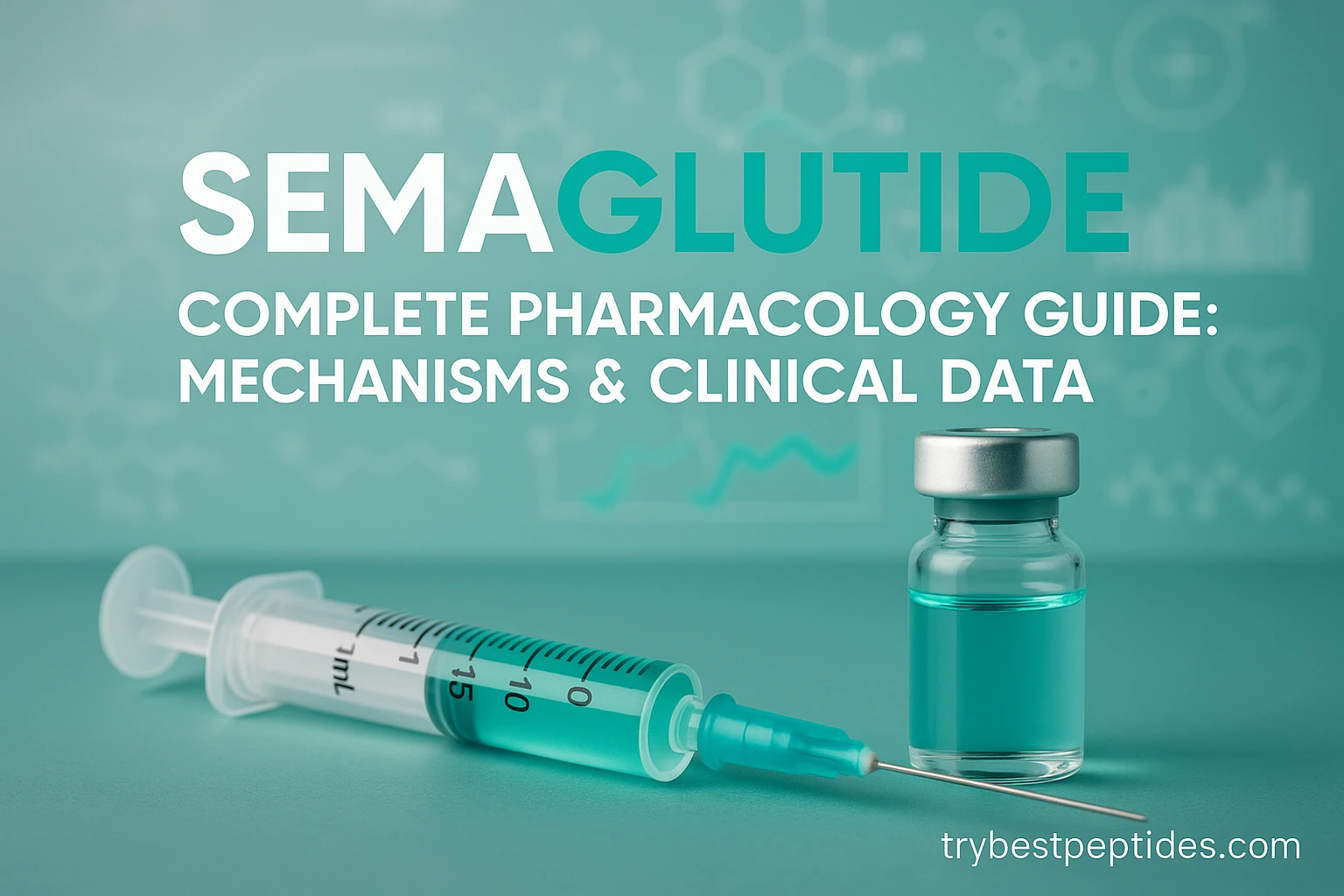
Semaglutide arrived at precisely the right cultural moment: during the post-COVID era of remote work and weight gain. This GLP-1 receptor agonist works through three main mechanisms. It signals your brain that you're full, slows gastric emptying to delay digestion, and suppresses appetite at the neurological level. The results were undeniably impressive—many people lost significant weight. However, the side effects were equally notable: nausea, vomiting, constipation, that overall sense of feeling unwell, and in rarer cases, pancreatitis and gallstones.
Beyond Semaglutide: Tirzepatide and Dual Action
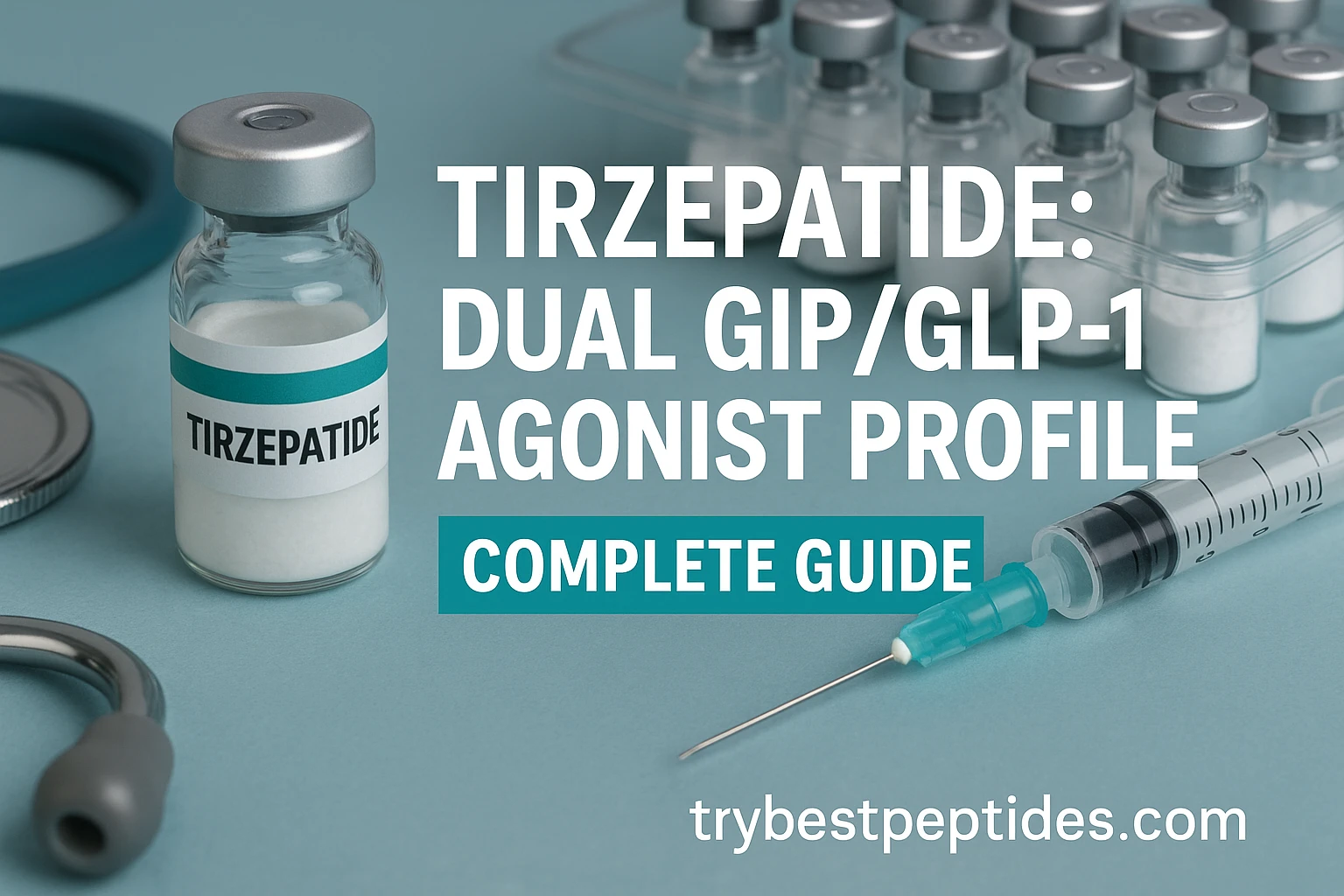
The next generation didn't take long to arrive. Tirzepatide stacks GLP-1 agonism with GIP (glucose-dependent insulinotropic polypeptide), a hormone that improves insulin sensitivity by directing energy into muscles while pulling it out of fat cells. In clinical trials, tirzepatide users lost more weight than semaglutide users and experienced fewer side effects. This dual-action approach proved superior because it preserves lean tissue more effectively—you're losing fat, not muscle.
The buzz has now shifted to retatrutide, a GLP-1 plus GIP plus glucagon triple agonist. This combination represents genuinely novel territory. While GLP-1 creates satiety and GIP improves insulin sensitivity, glucagon increases energy expenditure and fat breakdown (lipolysis). When balanced properly with the other two hormones, glucagon drives your body to burn more fuel without becoming catabolic or muscle-wasting. Retatrutide has exploded in underground peptide circles, and clinical trials show weight loss exceeding both semaglutide and tirzepatide. Whether you embrace this technology or remain skeptical, retatrutide is likely approaching FDA approval for weight loss in the near term.
The Pipeline: Amylin Analog Combinations
Another major player emerging is kagrilintide—semaglutide combined with an amylin analog. Amylin is a hormone released alongside insulin from your pancreas after eating. It controls how quickly your stomach empties and prevents blood sugar spikes. If insulin is the "gas" filling your tank with fuel, amylin controls the fuel line so your engine doesn't flood. Theoretically, stacking a GLP-1/GIP/glucagon triple agonist with an amylin analog could represent a massive fat loss strategy. However, the concern is real: combining these approaches might trigger dangerous hypoglycemia (low blood sugar). Some biohackers are experimenting with research chemicals combining these mechanisms, though the risks remain largely unknown.
Beyond GLP-1: Alternative Fat Loss Approaches
Not everyone tolerates GLP-1 drugs, and some prefer to avoid long-term appetite suppression. Others want compounds that actually burn fat rather than suppress appetite. Several alternatives deserve attention.
Growth Hormone-Releasing Peptides: Modest but Meaningful
Growth hormone-releasing hormone (GHRH) peptides and ghrelin mimetics, such as tesamorelin and sermorelin, work by stimulating your pituitary gland to release growth hormone. When you're fasted, growth hormone becomes a powerful fat mobilizer. However, it's important to acknowledge that fat loss from these peptides remains modest unless your diet is dialed in and you're exercising consistently. These compounds don't represent magic bullets; instead, they subtly shift your body into a state of greater recovery and fat mobilization than baseline. For serious fat loss results, GHRH peptides work best as part of a comprehensive approach.
AOD9604: Promise and Disappointment
AOD9604 is a synthetic peptide fragment of growth hormone—specifically, the piece researchers believe contains growth hormone's fat-mobilizing properties. Animal research showed impressive results: mice and rats lost weight and body fat without increasing insulin resistance or blood sugar spikes (side effects that full-length growth hormone causes). Yet when researchers attempted to replicate these results in humans, the disconnect was stark. Humans simply don't share identical biology with rodents.
Even if AOD9604 did work in humans, a serious problem emerges. Mobilizing fat without burning it through exercise just floods your bloodstream with free fatty acids, which can cause metabolic dysfunction. Any human protocol using this compound would require mandatory, consistent exercise to actually oxidize the mobilized fat.
Small Molecules and Emerging Research Compounds
5-Amino-1MQ: Blocking the Metabolic Leak
Five-Amino-1MQ (5-A1MQ) gets frequent questions despite not being a peptide—it's a small molecule often sold under research chemical loopholes. All meaningful research exists in animals; no solid human weight loss trials have been conducted. In rodent studies, 5-A1MQ reduced fat cell size and shifted metabolism toward higher energy expenditure by inhibiting NNMT, an enzyme that acts like a leak or drain in your metabolic system. Think of NNMT as a sink: during stress or inflammation (like obesity), NNMT activity spikes and drains your NAD levels—the fuel your mitochondria need for energy production.
By blocking NNMT, you theoretically increase NAD recycling and mitochondrial signaling, driving higher energy expenditure. Real-world users report gradual physique hardening and improved workout stamina. But theoretical risks exist here. Blocking NNMT might disrupt your body's methylation system, which repairs DNA and manufactures neurotransmitters like dopamine. Long-term effects on your liver and kidneys' waste-clearing capacity remain unknown.
Exercise Mimetics: Compounds That Fake Fitness
Now things get genuinely interesting. What if you could stack fat loss compounds with exercise mimetics—substances that activate the same cellular pathways as endurance training? We actually have these.
Mitochondrial-derived peptide (MDP) naturally increases during exercise and metabolic stress. Biohackers purchase it as a research chemical and use it specifically before workouts. MDP normally resides in your mitochondria but only travels to the cell nucleus under metabolic stress. Without exercise, it never translocates to activate fat-burning and longevity genes. Interestingly, MDP appears as a marker for cellular health—research shows low MDP levels in ovarian cancer cells but higher levels in healthy cells. Safety-wise, since we naturally produce MDP, it's generally considered low-risk, though long-term effects in humans remain unstudied.
SR9009 (SLU PPP 332), a small molecule and estrogen-related receptor agonist, showed stunning results in rodent research: treated mice ran 70% further and burned significantly more fat than controls. It's essentially been proven as "exercise in a bottle" for animals. Estrogen-related receptors function as master switches for mitochondrial energy production and concentrate heavily in heart, muscle, and kidney tissue. However, the theoretical downside is significant: we don't yet know whether artificially maintaining a high-endurance state 24/7 could cause cardiac remodeling (heart muscle thickening) or worse, fuel cancer cell growth.
A Systematic Framework for Thinking About Fat Loss
So, what ties all of this together? The strongest human data supports GLP-1 drugs and their derivatives—they've delivered the biggest real-world impact and continue to improve. Then there are compounds people use off-label or entirely without human approval. But the real question worth asking isn't which peptide is currently trending. It's this: What part of your biology is actually blocking fat loss?
The honest truth is that most people have the capability to lose fat. The system just gets jammed up for various reasons—insulin resistance, hormonal dysregulation, metabolic adaptation, chronic stress, poor sleep, inflammatory states. Sometimes the solution is a peptide or small molecule. Often, it's addressing foundational health first: consistent exercise (which builds muscle to support a healthy metabolism), adequate sleep, stress management, and dietary quality.
If you're fortunate enough to access these tools, use them strategically. But please, for the sake of your health, prioritize exercise. Muscle tissue is metabolically active; it's the foundation that sustains long-term fat loss and metabolic resilience. No peptide replaces the benefits of consistent training and moving your body.
Conclusion
The peptide and biohacking space has expanded rapidly, offering new possibilities for people struggling with weight loss despite traditional efforts. GLP-1 drugs represent the current gold standard with robust human data backing their efficacy and safety profile. Emerging compounds like retatrutide and kagrilintide promise even greater fat loss with preserved muscle mass. Beyond appetite-suppressing GLP drugs, exercise mimetics and metabolic enhancers offer alternative approaches, though human data remains limited.
However, these tools work best within a framework of understanding your own biology. Insulin resistance, hormonal dysregulation, and metabolic adaptation are often the true barriers to fat loss—not insufficient willpower. Modern medicine can address these issues, but success requires a comprehensive approach: sound nutrition, consistent exercise, adequate sleep, and stress management. If peptides are part of your strategy, view them as tools to restore function, not replacements for healthy lifestyle habits. The future of weight loss medicine is here, and it's powerful—but it's most powerful when combined with fundamental health practices.
Key Takeaways:
- Insulin resistance and hormonal dysfunction are often the real barriers to weight loss, not simply a lack of effort or willpower
- GLP-1 drugs (semaglutide, tirzepatide, retatrutide) have the strongest human evidence and represent the current standard for pharmaceutical weight loss intervention
- Emerging compounds like exercise mimetics and metabolic enhancers show promise in animal research but lack sufficient human data and carry theoretical risks
- Consistent exercise and muscle building remain foundational—no peptide replaces the metabolic benefits of regular physical activity
-