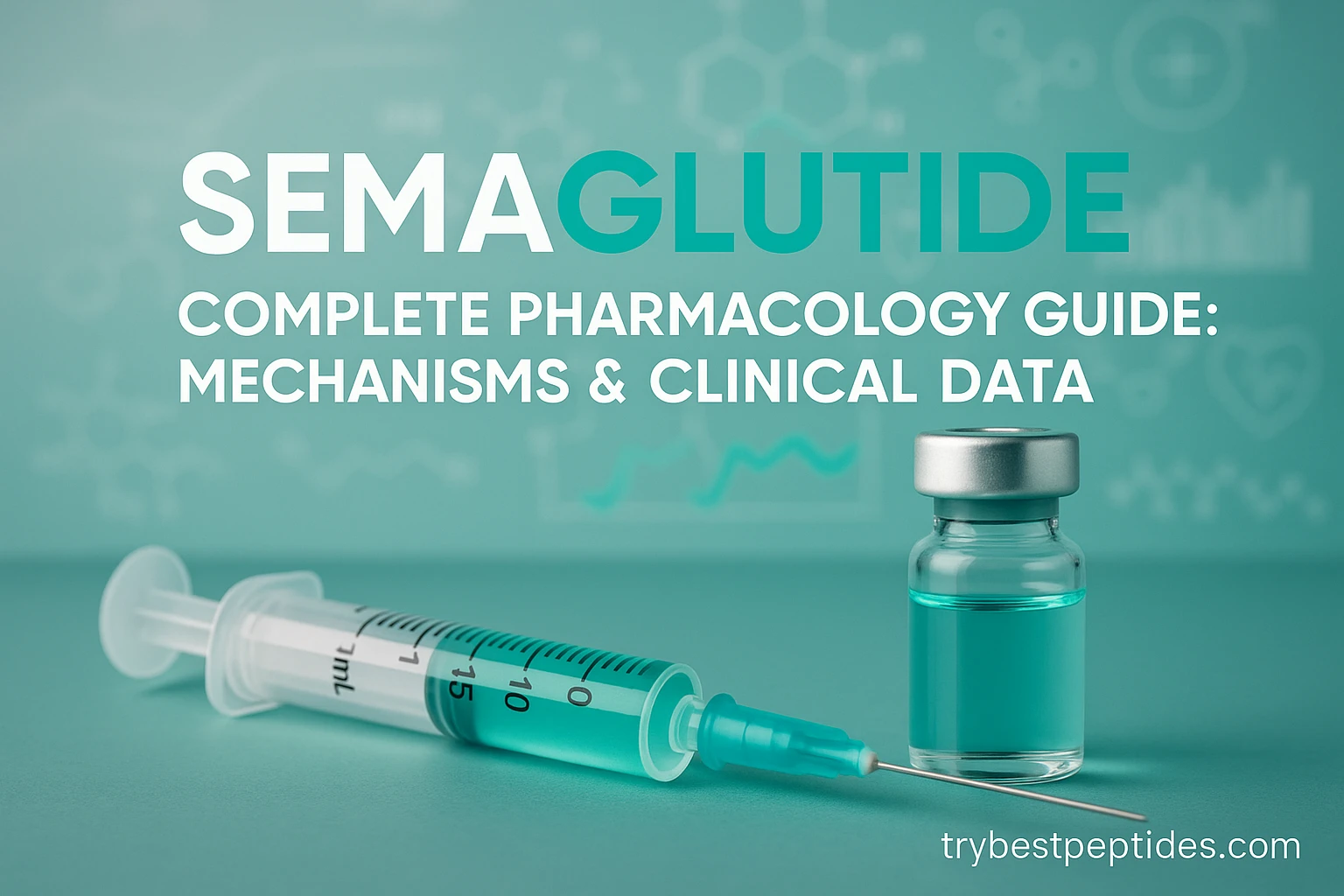
In 2023, semaglutide achieved a remarkable milestone by generating $38.6 billion in U.S. sales alone—a record that makes it the highest-earning pharmaceutical product in American history. Available under brand names including Ozempic, Wegovy, and Rybelsus, this groundbreaking medication has fundamentally transformed the medical landscape surrounding obesity, type 2 diabetes, and cardiovascular disease management. This comprehensive guide explores the intricate pharmacology of semaglutide, examining how this peptide-based drug works at the molecular level, its clinical applications, safety considerations, and regulatory status. Whether you're a healthcare professional, researcher, or someone seeking to understand this transformative treatment option, this deep dive provides evidence-based insights into one of modern medicine's most significant innovations.
What Is Semaglutide?
Semaglutide represents a significant advancement in peptide-based therapeutics. It belongs to a class of medications known as glucagon-like peptide-1 receptor agonists (GLP-1 RAs), which are synthetic analogs of the naturally occurring GLP-1 hormone.
The medication was first developed through collaborative research and has since become available in multiple formulations designed for different therapeutic purposes. The injectable formulations—Ozempic for diabetes management and Wegovy for chronic weight management—work systemically throughout the body. Rybelsus, the oral tablet form, offers patients an alternative administration route, though it requires specific dietary conditions for optimal absorption.
What distinguishes semaglutide from earlier GLP-1 receptor agonists is its extended half-life, which permits once-weekly dosing. This characteristic dramatically improves patient compliance compared to daily injection regimens, contributing significantly to its widespread adoption and commercial success.
How Semaglutide Works: Mechanisms of Action
Understanding semaglutide's therapeutic effects requires examining its multifaceted mechanisms of action at the cellular and physiological levels.
GLP-1 Receptor Activation
Semaglutide's primary mechanism involves binding to and activating GLP-1 receptors throughout the body. These receptors are distributed across multiple organ systems, including the pancreas, gastrointestinal tract, heart, kidneys, and brain regions associated with appetite regulation and glucose metabolism.
When semaglutide binds to these receptors, it triggers a cascade of intracellular signaling pathways. This activation increases intracellular cyclic adenosine monophosphate (cAMP) levels, ultimately leading to enhanced insulin secretion from pancreatic beta cells in response to elevated blood glucose concentrations.
Pancreatic and Metabolic Effects
In the pancreas, semaglutide promotes glucose-dependent insulin secretion—meaning insulin is released only when blood sugar levels are elevated. Simultaneously, the medication suppresses glucagon release from alpha cells, reducing hepatic glucose production. This dual action creates a more physiological glucose regulation pattern compared to traditional insulin therapies.
Beyond glucose control, semaglutide slows gastric emptying, the rate at which food moves from the stomach into the small intestine. This delayed gastric transit reduces post-meal blood sugar spikes and promotes satiety, contributing to reduced caloric intake and weight loss observed in both diabetic and non-diabetic populations.
Central Nervous System Effects
The drug's impact on appetite regulation occurs through activation of GLP-1 receptors in the hypothalamus and other brain regions governing hunger and satiety signals. This central action reduces appetite intensity, increases feelings of fullness, and modulates reward-related eating behaviors—mechanisms that explain the significant weight loss observed even in patients without diabetes.
Clinical Research and Efficacy
Extensive clinical trial data supports semaglutide's effectiveness across multiple disease states, with results that have consistently exceeded expectations.
Diabetes Management
In patients with type 2 diabetes, semaglutide demonstrates superior glycemic control compared to most conventional therapies. Landmark trials showed hemoglobin A1c reductions of 1.0–1.8%, with many patients achieving near-normal blood glucose levels. Beyond glucose control, studies documented improvements in cardiovascular outcomes and reductions in chronic kidney disease progression.
Weight Loss and Obesity
The STEP trials, conducted in non-diabetic individuals with obesity or overweight status plus comorbidities, revealed unprecedented weight loss effects. Participants receiving the highest semaglutide dose (2.4 mg weekly) experienced average weight reductions of 15–18% of body weight—substantially greater than achieved with previous pharmaceutical interventions.
Cardiovascular Benefits
The SUSTAIN-6 trial demonstrated that semaglutide reduces major adverse cardiovascular events by 26% in patients with type 2 diabetes and established cardiovascular disease. This cardiovascular protection extends beyond what would be expected from glycemic control alone, suggesting additional cardioprotective mechanisms including blood pressure reduction and favorable effects on inflammation.
Administration and Dosing Guidelines
Semaglutide's practical administration characteristics significantly contribute to patient adherence and real-world effectiveness.
Injection Administration
Injectable semaglutide (Ozempic and Wegovy) utilizes prefilled pens for once-weekly subcutaneous injection. Typical dosing protocols involve an escalation schedule beginning at 0.25 mg weekly, with incremental increases every four weeks until reaching the target maintenance dose. For diabetes management, the standard target is 1.0 mg weekly, while weight management treatment often continues to the maximum approved dose of 2.4 mg weekly.
Oral Formulation
Rybelsus tablets require administration on an empty stomach, at least 30 minutes before consuming food or other medications. The tablet must be swallowed whole without chewing or splitting. Typical maintenance doses range from 7–14 mg daily, with lower bioavailability than injectable formulations necessitating higher doses to achieve comparable plasma concentrations.
Safety Profile and Side Effects
While semaglutide has demonstrated a favorable overall safety profile, clinical experience has identified specific adverse effects that warrant careful consideration.
Gastrointestinal Effects
The most commonly reported side effects relate to gastrointestinal function. Nausea occurs in approximately 25–40% of patients, most frequently during the dose-escalation phase. Vomiting, diarrhea, and constipation occur less frequently but still represent notable concerns. These effects typically diminish with continued therapy as patients develop tolerance.
Pancreatitis and Pancreatic Concerns
Post-marketing surveillance and clinical trials have documented rare cases of acute pancreatitis in semaglutide users. While causality remains incompletely established, prudent clinical practice involves screening for personal or family history of pancreatitis before initiating therapy and monitoring for acute abdominal pain during treatment.
Ophthalmologic Effects
Diabetic patients with existing retinopathy may experience acute vision changes with rapid glycemic improvement, a phenomenon termed diabetic retinopathy worsening. This occurs not from direct drug toxicity but from the rapid metabolic shifts accompanying improved glucose control.
Rare and Serious Adverse Events
Post-marketing reports have documented rare cases of medullary thyroid carcinoma and severe hypoglycemia, particularly when combined with additional glucose-lowering agents. Black box warnings regarding thyroid effects reflect animal study findings, though human epidemiological evidence remains limited.
Legal and Regulatory Status
Semaglutide's regulatory journey reflects its significance as a public health intervention and commercial pharmaceutical.
FDA Approval Timeline
The FDA approved semaglutide under the brand name Ozempic for type 2 diabetes treatment in December 2017. Wegovy, the higher-dose formulation for chronic weight management in non-diabetic individuals, received FDA approval in June 2021. Rybelsus oral tablets were approved in September 2019, expanding treatment options for patients preferring oral administration.
Global Regulatory Recognition
Beyond the United States, semaglutide has received regulatory approval across the European Union, Canada, Australia, and numerous other jurisdictions. Regulatory bodies worldwide have recognized its efficacy and established it as a standard-of-care therapy for both diabetes and obesity management.
Off-Label Use Considerations
Despite regulatory approval exclusively for diabetes and obesity indications, clinicians have explored semaglutide's potential in other conditions including cardiovascular disease prevention in non-diabetic populations. These applications remain investigational, and patients should understand the distinction between approved uses and investigational applications.
Key Takeaways
-
Mechanism: Semaglutide activates GLP-1 receptors throughout the body, enhancing insulin secretion, suppressing glucagon, slowing gastric emptying, and reducing appetite through central nervous system effects.
-
Clinical Efficacy: Clinical trials demonstrate superior glycemic control in diabetes, unprecedented weight loss in obese populations (15–18% body weight reduction), and significant cardiovascular protection.
-
Dosing: Once-weekly injectable administration (0.25–2.4 mg) or daily oral tablets (7–14 mg) allow flexibility in treatment approaches; dose escalation protocols improve tolerability.
-
Safety Considerations: Gastrointestinal side effects predominate during initial therapy but typically improve with continued use; rare but serious adverse events including pancreatitis and thyroid concerns warrant monitoring.
-
Regulatory Status: FDA-approved for type 2 diabetes (Ozempic) and chronic weight management (Wegovy); established as standard-of-care therapy across major global markets.
-
Clinical Impact: With $38.6 billion in 2023 U.S. sales, semaglutide represents a paradigm shift in obesity and diabetes management, offering efficacy substantially exceeding previous pharmaceutical interventions.
-