Every cell in your body depends on mitochondria to produce energy. When these vital organelles fail—whether due to genetic disease, aging, or acute injury—the consequences cascade throughout your system. Muscles weaken, hearts struggle to maintain their rhythm, neurons degenerate, and vision deteriorates. SS-31, known by its pharmaceutical name Elamipretide, represents a breakthrough approach to protecting and restoring mitochondrial function at the cellular level. This synthetic peptide has emerged as one of the most promising candidates in regenerative medicine, with ongoing clinical trials demonstrating its potential to address conditions previously considered untreatable. Understanding how SS-31 works, its research foundation, and its regulatory landscape is essential for anyone interested in cutting-edge peptide therapeutics.
What Is SS-31 (Elamipretide)?
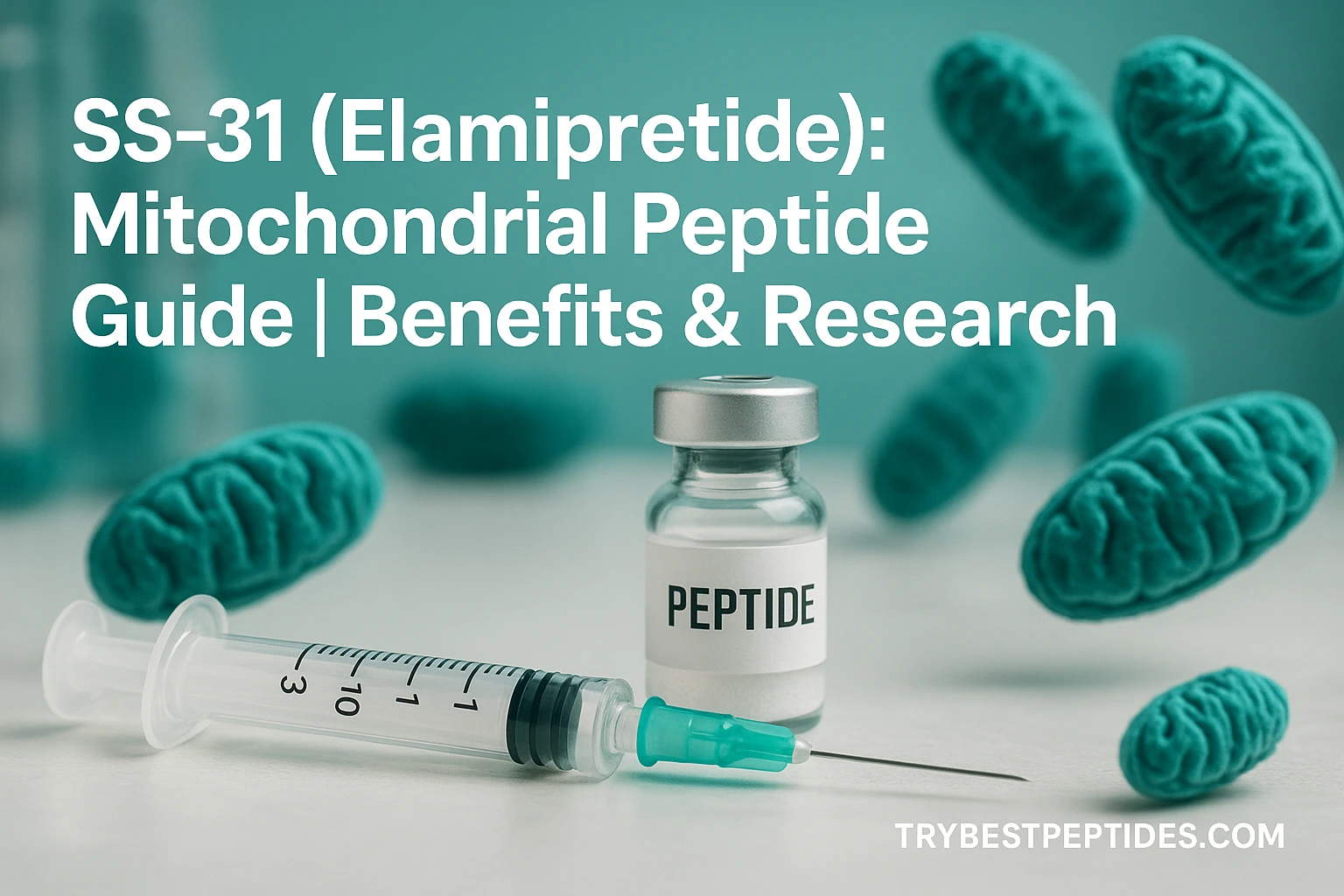
SS-31 is a synthetic tetrapeptide—a short chain of four amino acids—designed specifically to target and protect mitochondria. The peptide's chemical structure allows it to cross cell membranes and accumulate within the inner mitochondrial membrane, where it exerts its protective effects.
Unlike many therapeutic compounds that work through conventional pathways, SS-31 operates directly at the site of energy production within cells. It was developed through years of research into mitochondrial dysfunction and represents a fundamentally new approach to treating diseases caused by impaired cellular energy metabolism.
The peptide has been studied for its potential applications in treating:
- Leber hereditary optic neuropathy (LHON)
- Barth syndrome
- Cardiac dysfunction and heart failure
- Neurodegenerative disorders
- Age-related muscle weakness
Elamipretide is the brand name assigned to SS-31 in its pharmaceutical formulation, though the two terms are often used interchangeably in scientific literature.
How SS-31 Works: Mechanisms of Action
SS-31's therapeutic potential lies in its unique mechanism of action within mitochondrial biology. The peptide doesn't simply enhance energy production—instead, it prevents the cellular damage that occurs when mitochondrial function deteriorates.
Cardiolipin Stabilization
The primary mechanism involves binding to cardiolipin, a critical phospholipid found exclusively in the inner mitochondrial membrane. Cardiolipin is essential for optimal function of the electron transport chain, the system responsible for generating ATP (adenosine triphosphate), which cells use as energy currency.
When mitochondria are stressed or damaged, cardiolipin can become oxidized and degraded, disrupting electron transport chain function. SS-31 binds to cardiolipin and prevents this oxidation, stabilizing the protein complexes of the electron transport chain and maintaining their efficiency.
Reactive Oxygen Species (ROS) Reduction
Mitochondria naturally generate reactive oxygen species as a byproduct of energy production. In healthy cells, this is balanced by antioxidant defenses. However, in dysfunctional mitochondria, excessive ROS accumulation causes further damage—a vicious cycle that SS-31 interrupts.
By stabilizing electron transport chain function, SS-31 reduces ROS generation at its source, decreasing oxidative stress throughout the cell and preventing the cascade of damage that leads to cell dysfunction and death.
Prevention of Cytochrome c Release
Another critical protective mechanism involves preventing the release of cytochrome c from mitochondria. This protein normally functions in the electron transport chain, but when released into the cytoplasm, it triggers apoptosis (programmed cell death). SS-31 helps maintain the integrity of the inner mitochondrial membrane, preventing unwanted cytochrome c release and protecting cells from premature death.
Clinical Research and Evidence
SS-31 has progressed through multiple phases of clinical evaluation, with several ongoing trials demonstrating promising results in human subjects.
LHON Clinical Trials
The most advanced clinical application has been in Leber hereditary optic neuropathy, a rare genetic disorder causing sudden vision loss in young adults. Phase 2 trials have shown that SS-31 administration can stabilize and potentially improve vision in LHON patients, a remarkable outcome for a previously untreatable condition.
Results from these trials indicated that early treatment with SS-31 was associated with significantly better visual outcomes compared to placebo, providing the first real hope for patients with this devastating genetic disease.
Barth Syndrome Research
Barth syndrome, another rare genetic disorder affecting mitochondrial function, has also shown responsiveness to SS-31 in clinical investigation. Patients in trials exhibited improvements in cardiac function and exercise tolerance, suggesting the peptide's potential to address the systemic mitochondrial dysfunction characteristic of this condition.
Additional Indications
Ongoing research is exploring SS-31's potential in broader applications, including:
- Age-related cardiac dysfunction
- Mitochondrial myopathy
- Neurological conditions associated with mitochondrial impairment
- Post-acute injury recovery in cardiac and neurological systems
Administration and Dosing
SS-31 is administered intravenously in clinical settings. The peptide's short half-life and need for direct mitochondrial targeting necessitate this delivery route, as oral administration would result in degradation before reaching target tissues.
Current clinical protocols typically involve regular infusions over extended treatment periods. Dosing regimens vary depending on the indication being treated and individual patient factors. Healthcare providers adjust administration schedules based on clinical response and tolerability.
The need for intravenous administration represents both a limitation and an assurance—it ensures reliable delivery to tissues requiring treatment while requiring ongoing clinical supervision.
Safety Profile and Side Effects
SS-31 has demonstrated a favorable safety profile in clinical trials to date. The peptide's specificity for mitochondrial targets means it generally avoids off-target effects that plague many pharmaceutical interventions.
Reported side effects have been minimal and typically mild. Some patients experience local reactions at infusion sites, while systemic adverse events remain uncommon. The peptide's short half-life also means that any adverse reactions typically resolve quickly once administration is discontinued.
Long-term safety data continues to accumulate as trials progress, but current evidence suggests SS-31 is well-tolerated across patient populations studied.
Legal and Regulatory Status
SS-31 (Elamipretide) is still navigating the regulatory pathway toward potential market approval. It has received orphan drug designation for specific rare genetic conditions, accelerating the development and review process.
The FDA and other regulatory authorities are reviewing evidence from ongoing clinical trials to determine safety and efficacy. For rare genetic disorders like LHON and Barth syndrome, the regulatory pathway is often more streamlined, reflecting the severe unmet medical need in these patient populations.
Availability currently remains restricted to clinical trial settings and specialized research centers. Future regulatory approval would likely first address the rarest indications before potentially expanding to broader applications.
Limitations and Future Directions
While SS-31 shows remarkable promise, several challenges remain. The requirement for intravenous administration limits accessibility and patient convenience. Developing oral or other non-invasive formulations represents an ongoing research goal.
Additionally, not all mitochondrial disorders respond equally to SS-31. Understanding which patient populations benefit most requires continued research and biomarker development. The peptide may ultimately prove most effective as part of combination therapies addressing multiple aspects of mitochondrial dysfunction.
The Bottom Line
SS-31 (Elamipretide) represents a paradigm shift in treating mitochondrial dysfunction. By directly protecting and stabilizing the structures responsible for cellular energy production, this peptide addresses diseases at their fundamental biological root.
For patients with rare genetic mitochondrial disorders, SS-31 offers the first genuine therapeutic hope. As research continues and regulatory pathways progress, this compound may ultimately extend benefits to patients with age-related mitochondrial decline and acquired mitochondrial dysfunction.
The story of SS-31 exemplifies how deep understanding of cellular biology can yield targeted, effective therapeutics. As the field of mitochondrial medicine continues evolving, SS-31 stands as a milestone in translating basic science into meaningful clinical treatments.
Key Takeaways
- SS-31 is a synthetic tetrapeptide specifically designed to protect and restore mitochondrial function at the cellular level
- The peptide works by stabilizing cardiolipin and preventing oxidative damage in the inner mitochondrial membrane
- Clinical evidence supports efficacy in treating Leber hereditary optic neuropathy and Barth syndrome
- Administration is intravenous, requiring clinical supervision and limiting current accessibility
- Safety profile is favorable, with minimal reported side effects in trials to date
- Regulatory approval is pending, with orphan drug designation accelerating development for rare genetic indications
- Future research focuses on developing non-invasive formulations and identifying optimal patient populations for treatment
-