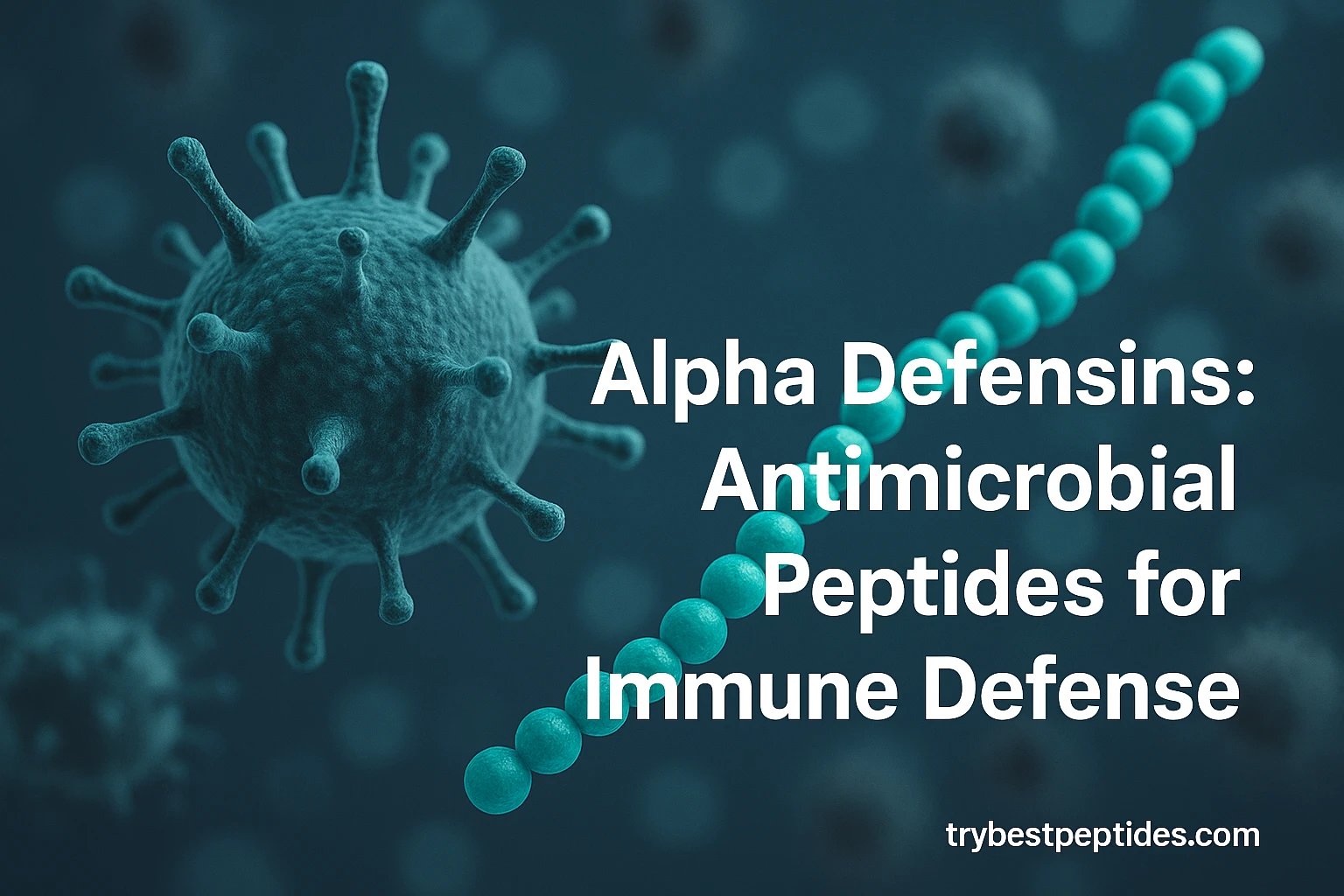
Alpha defensins represent a critical class of antimicrobial peptides produced primarily by neutrophils, the most abundant type of white blood cell in the human immune system. These remarkable molecules serve as the body's first line of defense against invading pathogens, including bacteria, fungi, and some viruses. Structurally composed of approximately 29-35 amino acids, alpha defensins possess a distinctive cysteine-rich composition that creates disulfide bonds, giving them exceptional stability and efficacy. Their potent antimicrobial activity has garnered significant scientific attention over the past two decades, particularly in the development of novel therapeutic agents and understanding innate immunity. As research continues to advance, alpha defensins emerge as promising candidates for addressing antibiotic-resistant infections and enhancing immunological responses in various clinical applications.
Understanding Alpha Defensins: Structure and Function
Alpha defensins belong to a larger family of antimicrobial peptides known collectively as defensins. These peptides are distinguishable from other antimicrobial molecules through their unique structural architecture. The characteristic feature of alpha defensins is their compact, highly conserved structure formed by three intramolecular disulfide bonds linking six cysteine residues. This architecture creates a compact, stable molecular framework that remains resistant to enzymatic degradation and maintains functionality across a wide range of physiological conditions.
The primary source of alpha defensins is neutrophils, which store these peptides in specialized granules called azurophil granules. Upon encountering pathogenic organisms, neutrophils release alpha defensins as part of their antimicrobial arsenal. In humans, four primary variants of neutrophil alpha defensins have been identified: human neutrophil peptides 1 through 4 (HNP-1 through HNP-4). These variants share significant sequence homology while exhibiting subtle differences that influence their specific biological activities.
The mechanism by which alpha defensins exert their antimicrobial effects involves disruption of bacterial cell membranes. These peptides interact with the lipid bilayers of microbial cells, creating pores and destabilizing membrane integrity. This direct mechanism of action differs fundamentally from conventional antibiotics, which often function through inhibition of specific enzymatic or biosynthetic pathways. This distinction is particularly significant given the rising prevalence of antibiotic-resistant pathogens worldwide.
Sources and Production of Alpha Defensins
Neutrophils serve as the primary cellular source of alpha defensins, with these peptides comprising approximately 5-15% of the total granule protein content in these cells. During neutrophil development and maturation in the bone marrow, alpha defensins are synthesized as inactive precursor molecules called preproteins. Specialized proteolytic enzymes subsequently process these precursors into mature, biologically active alpha defensins.
Beyond neutrophils, small quantities of alpha defensins have been detected in other immune cells and epithelial tissues. Certain subsets of T lymphocytes, macrophages, and intestinal epithelial cells produce defensins, though typically in lower concentrations than neutrophils. This wider distribution suggests that alpha defensins play broader roles in maintaining mucosal barrier function and coordinating innate immune responses throughout the body.
The regulation of alpha defensin production is tightly controlled by the body's immune status. During infections, inflammatory states, or tissue injury, neutrophil activation leads to increased degranulation and release of stored alpha defensins. This responsive production mechanism allows the immune system to rapidly amplify antimicrobial defenses when confronted with pathogens or tissue damage.
Antimicrobial Spectrum and Efficacy
The antimicrobial activity of alpha defensins extends across a broad range of pathogenic organisms. These peptides demonstrate potent bactericidal activity against numerous gram-positive and gram-negative bacteria, including both aerobic and anaerobic species. Pathogenic organisms susceptible to alpha defensin activity include Staphylococcus aureus, Escherichia coli, Pseudomonas aeruginosa, and numerous other clinically significant bacteria.
Beyond bacterial pathogens, alpha defensins exhibit antifungal properties, making them effective against various fungal organisms including Candida albicans and Aspergillus species. Additionally, research has demonstrated that certain alpha defensins possess antiviral activity, particularly against enveloped viruses. This broad-spectrum antimicrobial activity distinguishes alpha defensins from many conventional therapeutics that target specific pathogen categories.
The rapid antimicrobial action of alpha defensins is a significant advantage in clinical contexts. Unlike conventional antibiotics, which often require time for bacterial uptake and intracellular action, alpha defensins engage pathogenic membranes directly and immediately. This swift action proves particularly valuable in overwhelming septic conditions where rapid pathogen control is essential for patient survival.
Immunomodulatory Roles Beyond Direct Antimicrobial Activity
While the direct antimicrobial properties of alpha defensins are well-established, emerging research reveals additional immunological functions that extend far beyond simple pathogen killing. Alpha defensins actively participate in chemotaxis, the directed movement of immune cells toward sites of infection or inflammation. By binding to specific receptors on immune cells, alpha defensins guide macrophages, dendritic cells, and T lymphocytes to affected tissues.
These peptides also modulate inflammatory responses by regulating cytokine production. Alpha defensins can stimulate the production of pro-inflammatory cytokines such as interleukin-8 (IL-8) and tumor necrosis factor-alpha (TNF-α), amplifying the inflammatory cascade necessary for pathogen elimination. Simultaneously, alpha defensins interact with adaptive immunity components, promoting antigen presentation and T cell activation.
The immunomodulatory capacity of alpha defensins has significant implications for vaccine development and immunotherapy. By enhancing immune cell recruitment and activation, alpha defensins could serve as adjuvants to amplify responses to preventive vaccines or therapeutic interventions. This multi-faceted biological activity positions alpha defensins as valuable tools for manipulating immune function across various clinical scenarios.
Clinical Applications and Therapeutic Development
The therapeutic potential of alpha defensins has attracted substantial investment from pharmaceutical companies and research institutions worldwide. Several promising applications are currently under investigation or in various stages of clinical development.
Antibiotic-Resistant Infection Treatment
One of the most compelling applications involves treating infections caused by antibiotic-resistant bacteria. The rising prevalence of methicillin-resistant Staphylococcus aureus (MRSA), vancomycin-resistant enterococci, and carbapenem-resistant gram-negative organisms represents a critical public health challenge. Because alpha defensins function through membrane disruption rather than enzyme inhibition, pathogens cannot readily develop resistance through conventional genetic mutations. This mechanism represents a paradigm shift in antimicrobial therapy development.
Wound Healing and Tissue Repair
Alpha defensins demonstrate additional benefits beyond direct pathogen elimination. These peptides promote wound healing through multiple mechanisms, including stimulation of fibroblast activity, enhanced angiogenesis, and modulation of inflammatory responses. Therapeutic formulations incorporating alpha defensins show promise for accelerating healing of chronic wounds, burn injuries, and post-surgical incisions.
Oral and Mucosal Disease Management
The oral cavity maintains a delicate balance between commensal microbiota and pathogenic organisms. Alpha defensins may provide enhanced protection against oral pathogens responsible for periodontal disease, caries, and oral infections. Incorporation of alpha defensins into dental products and treatments represents an emerging application area with significant commercial potential.
Challenges and Future Directions
Despite the considerable promise of alpha defensins, several challenges remain in translating basic research into clinical therapeutics. The peptide nature of alpha defensins makes them susceptible to degradation by proteolytic enzymes present throughout the body, limiting their bioavailability when administered systemically. Developing formulations or chemical modifications that protect alpha defensins from premature degradation while maintaining their biological activity represents an active area of research.
Manufacturing constraints also present challenges. Producing alpha defensins through recombinant expression systems or chemical synthesis requires sophisticated technologies and quality control measures. Scaling production to meet clinical demand while maintaining cost-effectiveness remains an ongoing technical obstacle.
Future research directions include engineering modified alpha defensins with enhanced stability, improved targeting capabilities, and reduced potential for triggering excessive inflammatory responses. Combination therapies pairing alpha defensins with conventional antibiotics may provide synergistic benefits for treating highly resistant infections. Additionally, understanding how to optimize alpha defensin delivery to specific anatomical sites will enhance therapeutic efficacy while minimizing systemic side effects.
Conclusion
Alpha defensins represent a fascinating intersection of basic immunological science and practical therapeutic innovation. These neutrophil-derived antimicrobial peptides offer compelling advantages over conventional antibiotics, particularly given rising concerns regarding antibiotic resistance. Their broad-spectrum antimicrobial activity, coupled with immunomodulatory properties, positions them as valuable candidates for addressing some of medicine's most pressing challenges.
The research landscape surrounding alpha defensins continues to expand rapidly, with investigations spanning fundamental mechanism studies to clinical applications. As scientists overcome manufacturing and delivery challenges, alpha defensins are poised to contribute significantly to the therapeutic armamentarium for infectious diseases, wound care, and immunological disorders. The future of alpha defensin therapeutics appears exceptionally promising, with numerous applications likely to reach clinical practice within the coming years.
Key Takeaways
- Structural Foundation: Alpha defensins are antimicrobial peptides containing 29-35 amino acids with distinctive disulfide bonds that provide stability and biological activity
- Cellular Source: Neutrophils produce and store alpha defensins in azurophil granules, releasing them when encountering pathogens or tissue damage
- Mechanism of Action: These peptides disrupt bacterial cell membranes directly, creating pores and causing cellular destabilization—a mechanism distinct from conventional antibiotics
- Broad-Spectrum Activity: Alpha defensins effectively eliminate bacteria, fungi, and certain viruses, offering advantages against antibiotic-resistant pathogens
- Immunomodulatory Functions: Beyond direct antimicrobial effects, alpha defensins promote immune cell chemotaxis, cytokine production, and adaptive immune responses
- Therapeutic Promise: Applications in development include treating antibiotic-resistant infections, wound healing, and oral disease management
- Current Challenges: Improving bioavailability, scaling production, and protecting peptides from enzymatic degradation remain primary obstacles to clinical translation
-