
Blog
Science-backed articles on peptide research, mechanisms, and the latest findings from our research team.
Thymosin Alpha-1: Immune Modulation Research
Thymosin Alpha-1 is one of the most extensively researched immune-modulating peptides with approval in 35+ countries. This guide explores its mechanisms, clinical evidence, and therapeutic applications in hepatitis, cancer, and critical care.
Thymalin: Thymic Peptide Research Overview
Thymalin is a polypeptide extract from thymic tissue used in Russian and Eastern European medicine for immune support and age-related decline. This overview examines its biochemistry, research evidence, mechanisms, and regulatory landscape.
LL-37: Antimicrobial Peptide Research Overview
LL-37 is a naturally occurring antimicrobial peptide that kills bacteria, disrupts biofilms, and modulates immune responses. This comprehensive research overview covers mechanisms, clinical applications, and the vitamin D connection.
Defensins: Antimicrobial Peptide Family Overview
Defensins are naturally occurring antimicrobial peptides that represent a promising alternative to conventional antibiotics. This overview covers their structure, mechanisms of action, types, and therapeutic potential in combating antibiotic-resistant infections.
Nisin: The Antimicrobial Peptide Revolutionizing Food Preservation
Nisin is a naturally-derived antimicrobial peptide produced by Lactococcus lactis that revolutionizes food preservation. Approved globally, it effectively inhibits harmful bacteria while maintaining food safety and quality across multiple industries.
Beta Defensins
Beta defensins are small antimicrobial peptides that form the body's first line of defense against pathogens. These naturally occurring molecules combat bacteria, fungi, and viruses while modulating immune responses, making them promising candidates for novel therapeutics.
Alpha Defensins
Alpha defensins are antimicrobial peptides produced by neutrophils that offer promising solutions for treating antibiotic-resistant infections. These peptides disrupt bacterial membranes through a unique mechanism distinct from conventional antibiotics, with applications extending to wound healing and immunotherapy.
LL-37: The Remarkable Antimicrobial Peptide Revolutionizing Immune Defense
LL-37 is a naturally occurring antimicrobial peptide that serves as a frontline defender against infections. This guide explores its mechanisms, clinical significance, and potential as a solution to antibiotic resistance.
Thymopoietin: Understanding the Immune-Boosting Pentapeptide
Thymopoietin is a naturally derived pentapeptide that plays a crucial role in immune system regulation by promoting T cell maturation and thymic function. This peptide shows particular promise for addressing age-related immune decline and supporting adaptive immune responses.
Tuftsin: The Immunostimulatory Tetrapeptide Explained
Tuftsin is a naturally occurring tetrapeptide that plays a crucial role in immune system enhancement by activating macrophages and boosting immune cell function. Learn about its mechanisms, therapeutic potential, and clinical research applications.

Supercharge Your Gut Health With Lactoferrin
Lactoferrin is a powerful glycoprotein that revolutionizes gut health by fighting harmful pathogens, promoting beneficial bacteria, reducing inflammation, and strengthening your intestinal barrier. Learn how this underrated nutrient can transform your digestive and immune function.
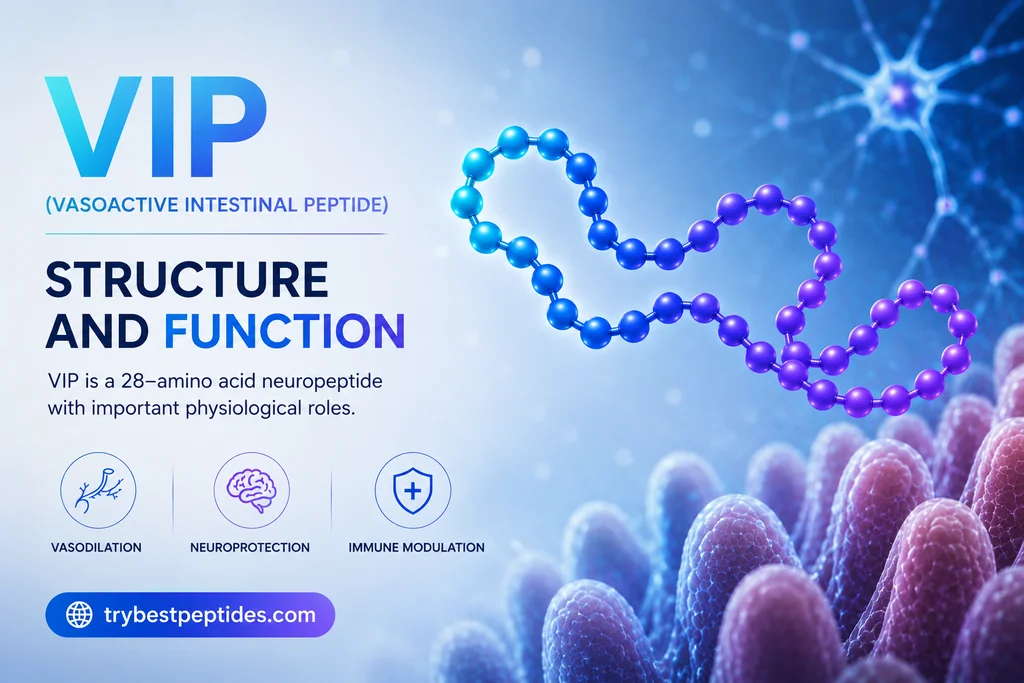
Vasoactive Intestinal Peptide: Structure, Functions, and Physiological Role
Vasoactive intestinal peptide (VIP) is a 28-amino acid hormone that regulates digestion, cardiovascular function, and pituitary hormone secretion. With a two-minute half-life, VIP provides precise control over multiple physiological processes across the gastrointestinal tract, heart, and central nervous system.