

Blog
Science-backed articles on peptide research, mechanisms, and the latest findings from our research team.
VIP (Vasoactive Intestinal Peptide): Research Guide
VIP (Vasoactive Intestinal Peptide) is a 28-amino acid neuropeptide discovered in 1970 with diverse physiological functions. This guide covers VIP's mechanisms of action, current research evidence, administration protocols, safety considerations, and regulatory status for researchers and informed individuals.
Substance P: Neuropeptide Research Guide
Substance P is a key neuropeptide in pain signaling and neuroinflammation discovered in 1931. This guide explores its mechanisms, clinical applications, and research potential in pain management and neurodegenerative diseases.
Semax: Nootropic Peptide Research Profile
Semax is a synthetic ACTH-derived peptide approved in Russia for stroke recovery and cognitive impairment. This research profile examines its mechanisms, cognitive benefits, neuroprotective properties, and current scientific evidence base.
Selank: Anxiolytic Peptide Research Profile
Selank is a synthetic heptapeptide approved in Russia since 2009 for anxiety management. This research profile examines its mechanisms of action, clinical evidence, administration methods, and regulatory status across global markets.
PE-22-28: Emerging Nootropic Peptide Research
PE-22-28 is an emerging nootropic peptide from French neuroscience research that works through sortilin-mediated neuropeptide signaling. Learn about its mechanisms, current research evidence, and regulatory status in this comprehensive guide.
DSIP (Delta Sleep-Inducing Peptide): Research Guide
DSIP is a nine-amino acid peptide with effects on sleep, stress, and neuroprotection. This comprehensive guide explores the research, mechanisms, and current evidence for this enigmatic molecule.
Dihexa: Cognitive Peptide Research Profile
Explore Dihexa, a synthetic peptide with remarkable potency in preclinical research. Learn about its mechanisms, current evidence, safety profile, and why it remains a research compound without human clinical trials.
Cerebrolysin: Neuropeptide Research Overview
Cerebrolysin is a neuropeptide mixture studied for neuroprotective and neuroregenerative properties in stroke, cognitive decline, and traumatic brain injury. This overview examines research evidence, mechanisms, safety, and regulatory status across global markets.

Substance P: Understanding the Pain and Inflammation Neuropeptide
Substance P is a critical neuropeptide involved in pain transmission, inflammatory responses, and immune regulation. Discover how this 11-amino acid peptide functions and its potential therapeutic applications.

Beta Endorphin
Beta-endorphin is a naturally occurring neuropeptide that provides pain relief and emotional well-being. Discover what it is, how it works, and practical strategies to enhance its production through exercise, meditation, and social connection.
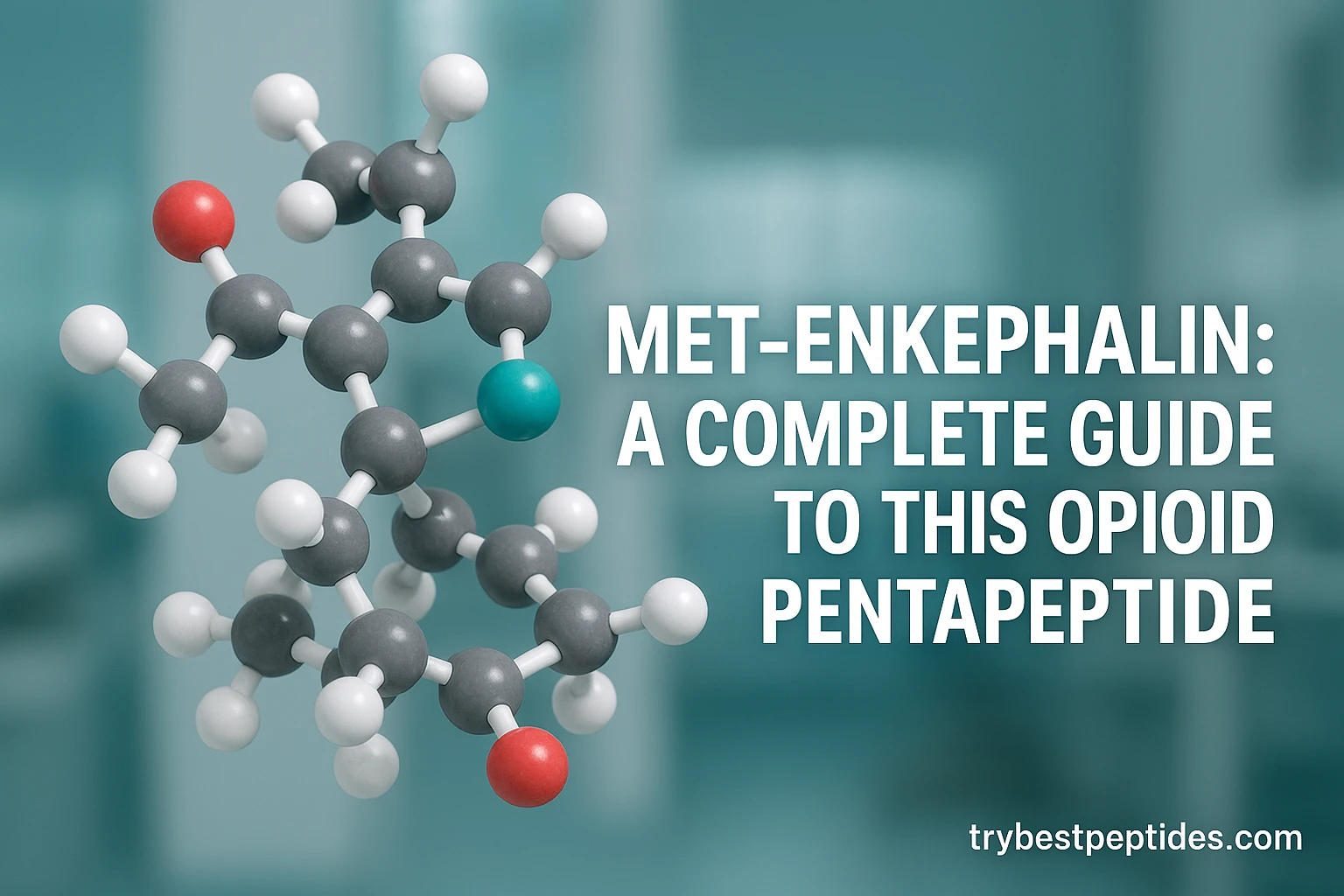
Met Enkephalin: Understanding This Important Pentapeptide
Met-enkephalin is a five-amino-acid endogenous opioid peptide crucial for natural pain regulation and neurochemical balance. Discover its structure, biological functions, and applications in modern peptide research.
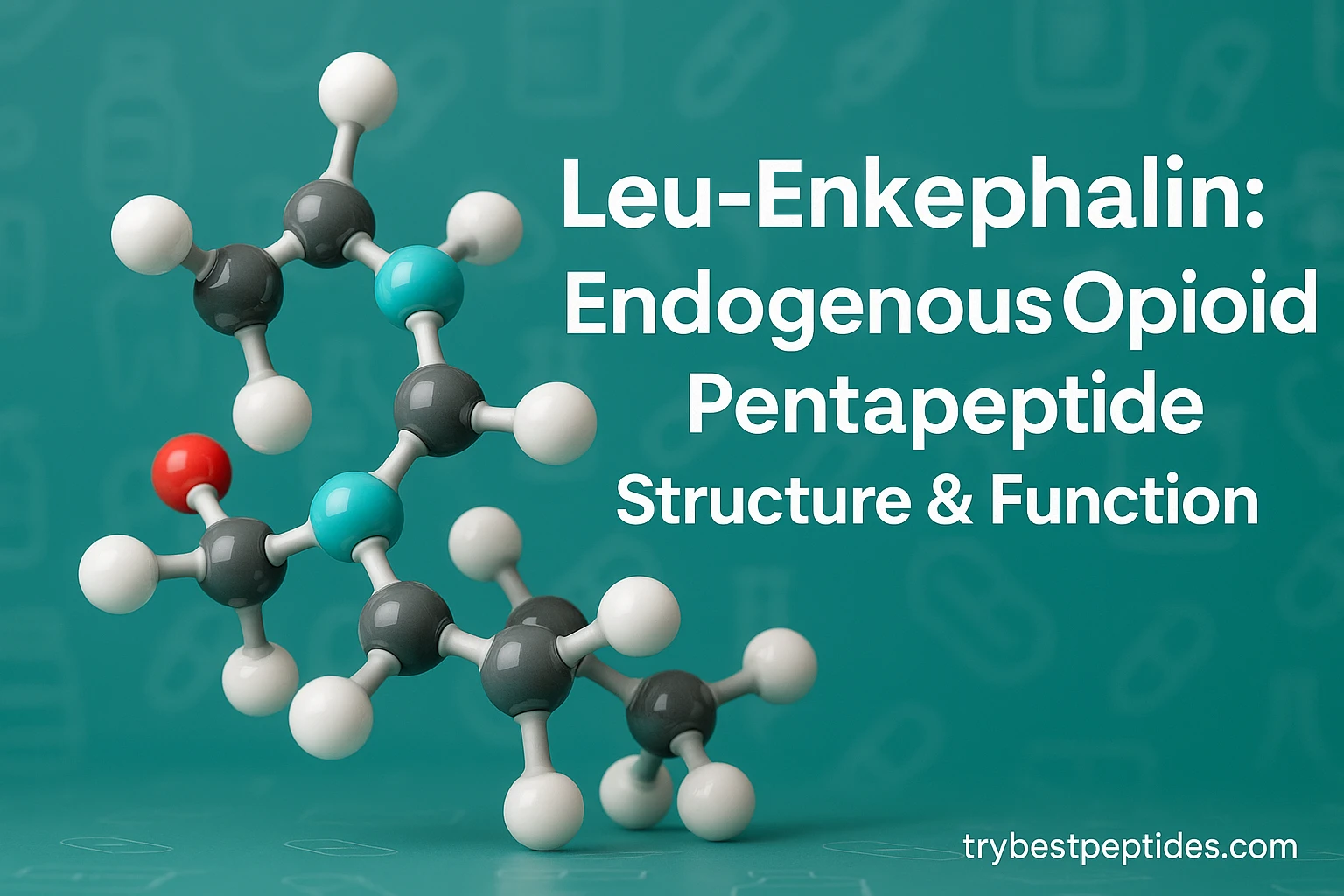
Leu Enkephalin
Leu-Enkephalin is an endogenous opioid pentapeptide composed of five amino acids that regulates pain perception, mood, and stress response through interaction with opioid receptors. This article explores its structure, biological functions, research applications, and therapeutic potential.