Leu-Enkephalin, scientifically known as leucine enkephalin, represents a fascinating endogenous opioid pentapeptide that plays a crucial role in the body's pain management and reward systems. This five-amino-acid peptide belongs to the enkephalin family, a group of naturally occurring compounds produced within the central nervous system. Understanding Leu-Enkephalin provides insights into how the body naturally regulates pain perception, mood, and various physiological processes. As research continues to advance in peptide biochemistry, Leu-Enkephalin has emerged as a significant subject of scientific investigation, offering potential therapeutic applications in pain management, neurological disorders, and other medical conditions. This comprehensive guide explores the structure, function, mechanisms, and research significance of this remarkable endogenous opioid peptide.
What is Leu-Enkephalin?
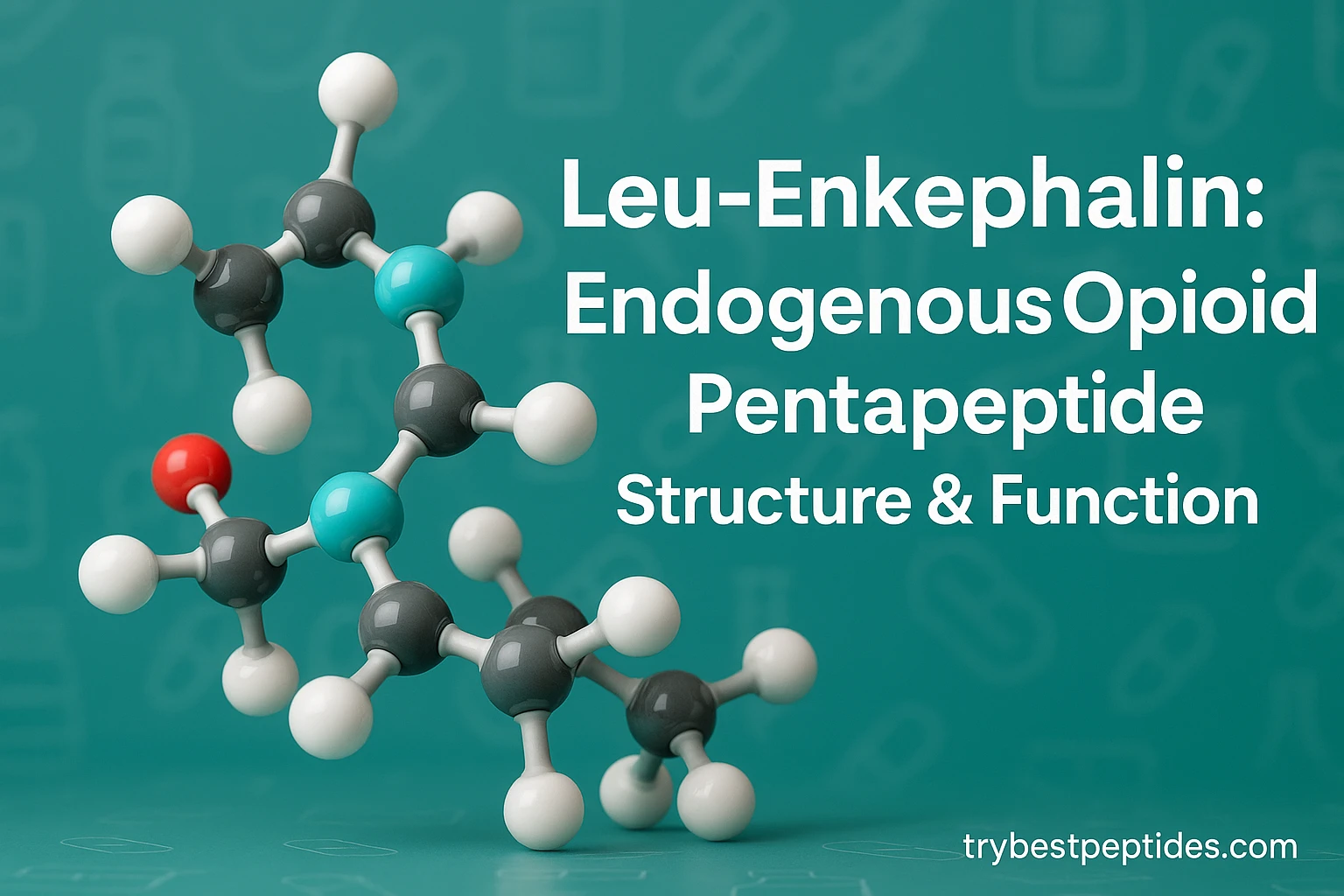
Leu-Enkephalin is an endogenous pentapeptide composed of five amino acids: Tyrosine (Tyr), Glycine (Gly), Glycine (Gly), Phenylalanine (Phe), and Leucine (Leu). The amino acid sequence is represented as Tyr-Gly-Gly-Phe-Leu, which defines its structural identity and biological properties.
This peptide belongs to a larger family of opioid peptides known as enkephalins, which are produced naturally throughout the body. Unlike exogenous opioids, Leu-Enkephalin is synthesized internally by the organism as part of its intrinsic biochemical processes. The peptide was first discovered in the 1970s when researchers identified endogenous opioid compounds within mammalian brain tissue, revolutionizing our understanding of pain management and neurotransmission.
The natural production of Leu-Enkephalin occurs through the processing of larger precursor molecules, particularly through the breakdown of proenkephalin A. This endogenous synthesis demonstrates the body's remarkable ability to generate its own pain-relieving and mood-regulating compounds without external intervention.
The Biological Functions and Mechanisms
Pain Management and Analgesia
One of the primary functions of Leu-Enkephalin involves pain modulation. The peptide binds to opioid receptors in the nervous system, triggering cascades that reduce pain perception. This mechanism allows the body to naturally manage pain responses during stress, injury, or physical exertion. The analgesic effects of Leu-Enkephalin occur through its interaction with delta opioid receptors, which are distributed throughout the nervous system.
Neurotransmission and Signaling
Leu-Enkephalin functions as a neuromodulator, influencing communication between neurons. It affects the release and reuptake of other neurotransmitters, including dopamine and serotonin, which regulate mood, motivation, and emotional responses. This regulatory role extends beyond simple pain relief, impacting broader aspects of neurological function and psychological well-being.
Reward and Motivation Systems
The peptide plays a significant role in the brain's reward pathways. By modulating dopamine signaling in reward-sensitive brain regions, Leu-Enkephalin contributes to the subjective experience of pleasure and reinforcement. This mechanism is fundamental to understanding how the body naturally generates feelings of satisfaction and motivation.
Stress Response and Adaptation
During periods of physical or psychological stress, Leu-Enkephalin levels increase, helping the body cope with challenging conditions. The peptide's release during stress represents an important homeostatic mechanism, allowing the organism to maintain equilibrium despite external pressures. This adaptive response demonstrates the sophisticated nature of endogenous pain and stress management systems.
Structural Characteristics and Classification
Leu-Enkephalin belongs to the pentapeptide category due to its composition of exactly five amino acids. The specific arrangement of Tyrosine-Glycine-Glycine-Phenylalanine-Leucine creates distinct structural and functional properties that differentiate it from related peptides.
The N-terminal Tyrosine residue is critical for opioid receptor binding, while the Phenylalanine and Leucine at the C-terminus contribute to receptor specificity and binding affinity. The middle glycine residues provide structural flexibility, allowing the peptide to conform to receptor binding sites with optimal efficacy.
Compared to its structural analog Met-Enkephalin (which contains Methionine instead of Leucine), Leu-Enkephalin demonstrates different receptor affinities and physiological effects. These subtle structural variations have substantial implications for how each peptide interacts with opioid receptor subtypes and influences biological outcomes.
Distribution and Localization in the Body
Leu-Enkephalin is distributed throughout the central and peripheral nervous systems, with particular concentrations in specific brain regions. The hippocampus, amygdala, striatum, and limbic system contain notably high levels of this peptide, reflecting its importance in memory, emotion, and motivational processing.
Beyond the brain, Leu-Enkephalin is produced in the adrenal medulla and various immune cells throughout the body. This widespread distribution underscores the peptide's involvement in multiple physiological systems beyond basic pain management. The presence of enkephalin-producing cells in immune tissues suggests roles in immune regulation and inflammation modulation.
Research Applications and Scientific Significance
Neuroscience Research
Leu-Enkephalin serves as a critical tool in neuroscience research for investigating opioid receptor function, pain pathways, and neural signaling mechanisms. Researchers utilize this peptide to understand how endogenous opioid systems develop and function, providing foundational knowledge for developing more effective pain management strategies.
Pharmacological Studies
Scientists employ Leu-Enkephalin in studies examining drug interactions, receptor binding kinetics, and the development of novel therapeutic compounds. Understanding how this natural peptide interacts with opioid receptors informs the design of improved medications with potentially fewer adverse effects than current pharmaceutical options.
Disease Model Investigations
Research involving Leu-Enkephalin has contributed to our understanding of neurological disorders, psychiatric conditions, and chronic pain syndromes. By examining how enkephalin systems function abnormally in disease states, researchers identify potential intervention targets and develop therapeutic strategies.
Behavioral and Cognitive Research
The peptide's involvement in reward and motivation systems makes it valuable for studying learning, addiction, motivation, and behavioral responses. Animal models utilizing Leu-Enkephalin research have illuminated how endogenous opioids contribute to reinforcement learning and behavioral adaptation.
Receptor Interactions and Pharmacodynamics
Leu-Enkephalin exerts its biological effects primarily through activation of delta opioid receptors, though it also demonstrates affinity for mu opioid receptors to a lesser degree. Delta receptor activation triggers intracellular signaling cascades involving G-proteins and subsequent modulation of ion channels and second-messenger systems.
The peptide's interaction with these receptors results in decreased neuronal excitability, reduced neurotransmitter release, and altered pain signal transmission. This pharmacodynamic profile explains both the analgesic effects and the broader neuromodulatory functions of this endogenous compound.
Comparison with Related Enkephalins and Opioid Peptides
The enkephalin family includes several related peptides, with Met-Enkephalin and Leu-Enkephalin being the most thoroughly studied. While structurally similar, these peptides demonstrate distinct pharmacological profiles and physiological effects. Met-Enkephalin exhibits slightly different receptor affinities and stability characteristics compared to Leu-Enkephalin.
Other endogenous opioid peptides include beta-endorphin and dynorphins, which are considerably larger and demonstrate different distributions and functional roles. Understanding the distinctions between these various endogenous opioids provides comprehensive insight into the complexity of the body's pain and reward management systems.
Stability and Metabolism
Leu-Enkephalin exhibits relatively rapid metabolism, with enzymatic degradation occurring through various peptidases including enkephalinase. This quick breakdown represents both a limitation and an evolutionary design feature, as it prevents excessive accumulation while allowing precise temporal control of opioid signaling.
The peptide's stability can be modified through chemical modification or delivery system optimization, a consideration important for research applications and potential therapeutic development. Understanding degradation pathways aids in designing compounds with enhanced bioavailability and sustained effects.
Current Research Frontiers
Contemporary research continues to explore Leu-Enkephalin's role in emerging therapeutic areas. Investigations into its potential applications for pain management, depression, anxiety, and neurodegenerative diseases represent active areas of scientific inquiry. Additionally, researchers examine how enkephalin system dysregulation contributes to addiction and explore strategies for modulating endogenous opioid function therapeutically.
Conclusion
Leu-Enkephalin represents a remarkable example of the body's intrinsic biochemical sophistication. As an endogenous opioid pentapeptide, this five-amino-acid compound orchestrates complex physiological processes including pain management, emotional regulation, stress adaptation, and reward processing. The widespread distribution of Leu-Enkephalin throughout the nervous system and periphery underscores its fundamental importance to human health and function.
The continued investigation of Leu-Enkephalin contributes meaningfully to our understanding of neurochemistry, pain biology, and therapeutic possibilities. By studying this natural peptide, researchers develop insights that inform the creation of more effective, safer pain management approaches and therapies for neurological and psychiatric conditions. The enduring scientific interest in Leu-Enkephalin reflects both its biological significance and its potential to inspire novel treatment strategies that leverage the body's natural opioid systems.
Key Takeaways
-
Structural Identity: Leu-Enkephalin is a pentapeptide with the amino acid sequence Tyr-Gly-Gly-Phe-Leu, produced naturally throughout the body.
-
Primary Functions: The peptide regulates pain perception, modulates neurotransmission, influences reward pathways, and facilitates stress adaptation.
-
Receptor Mechanism: Leu-Enkephalin primarily binds to delta opioid receptors, triggering intracellular signaling that reduces pain perception and affects mood regulation.
-
Distribution: The peptide is concentrated in brain regions associated with emotion and pain processing, as well as in immune and adrenal tissues.
-
Research Value: Leu-Enkephalin serves as a critical tool for investigating opioid systems, developing pain management therapies, and understanding neurological diseases.
-
Rapid Metabolism: The peptide undergoes quick enzymatic degradation, allowing precise physiological control of opioid signaling duration.
-
Therapeutic Potential: Ongoing research explores applications in pain management, neurological disorders, psychiatric conditions, and addiction treatment.
-