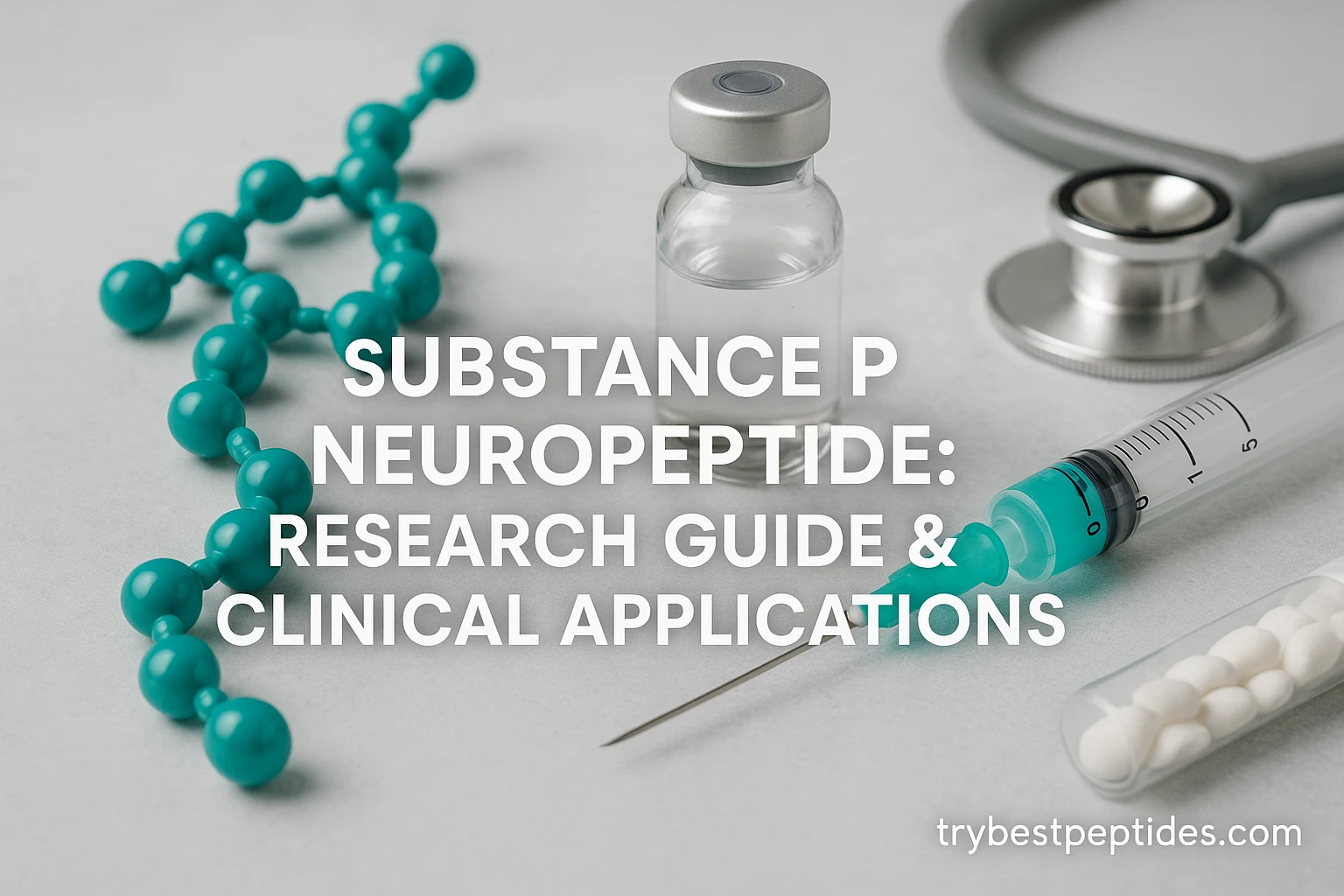
In 1931, a groundbreaking discovery emerged from a London laboratory that would reshape our understanding of pain signaling and neurotransmission. Two pioneering scientists identified a mysterious powder capable of triggering intestinal tissue contractions, naming it "substance P"—with the "P" representing the powdered preparation from which it was isolated. Nearly a century later, this remarkable neuropeptide remains one of the most extensively studied molecules in neuroscience, with applications spanning pain management, neuroinflammation, and therapeutic research. This comprehensive guide explores the mechanisms, clinical relevance, and research applications of substance P, providing researchers and healthcare professionals with essential knowledge about this pivotal neurotransmitter.
What Is Substance P?
Substance P is an undecapeptide—a chain of eleven amino acids—belonging to the tachykinin family of neuropeptides. This endogenous signaling molecule exists throughout the nervous system, with particularly high concentrations in the spinal cord, brain, and sensory neurons. The molecule functions as a neuromodulator and neurotransmitter, playing crucial roles in pain perception, inflammation, and neuronal communication.
The chemical structure of substance P enables it to cross biological barriers and interact with specific receptors in neural tissue. Its widespread distribution throughout the central and peripheral nervous systems underscores its importance in multiple physiological processes. Understanding substance P's structural characteristics provides the foundation for comprehending its diverse biological effects.
Historical Context and Discovery
The 1931 discovery by von Euler and Gaddum marked the beginning of peptide research as we know it today. However, substance P's structure wasn't fully elucidated until 1971, when Chang and Leeman completed the amino acid sequencing. This achievement represented a monumental breakthrough in neuroscience, opening doors to investigating the peptide's functions at the molecular level.
Mechanisms of Action
Substance P exerts its biological effects primarily through interaction with neurokinin receptors, specifically the NK1 receptor. This G-protein coupled receptor mediates most of substance P's documented effects in the nervous system. When substance P binds to NK1 receptors, it triggers intracellular signaling cascades that modulate various neural and immune functions.
Receptor Interaction and Signaling Pathways
The NK1 receptor exists abundantly in pain-processing regions of the spinal cord and brain, particularly in laminae I and II of the dorsal horn. Upon substance P binding, the receptor activates phosphoinositide signaling and increases intracellular calcium concentrations. This cascade ultimately influences gene expression, neuronal excitability, and synaptic plasticity.
The receptor's distribution patterns directly correlate with substance P's functional roles. High NK1 receptor density in pain-transmission pathways explains the peptide's involvement in nociception, while expression in limbic structures associates with emotional processing and mood regulation.
Pain Modulation and Nociception
Substance P functions as a primary excitatory neurotransmitter in pain pathways. When noxious stimuli activate peripheral sensory neurons, substance P is released into the dorsal horn of the spinal cord, where it amplifies pain signals destined for the brain. This mechanism earned substance P the designation "pain peptide" among neuroscientists.
Chronic pain conditions often involve dysregulation of substance P signaling, with elevated spinal fluid concentrations observed in fibromyalgia, rheumatoid arthritis, and migraine patients. Understanding these pathological alterations has prompted development of NK1 receptor antagonists as potential analgesics.
Neuroinflammatory and Immune Functions
Beyond pain signaling, substance P participates in inflammatory responses and immune regulation. The peptide stimulates immune cell activation and cytokine release, contributing to neuroinflammation associated with infection, injury, and degenerative diseases. This dual role—both as a neurotransmitter and immune modulator—makes substance P a critical player in neuroimmune interactions.
Clinical Relevance and Research Applications
Pain Management and Analgesia
The primary clinical focus of substance P research involves developing therapeutic interventions for chronic pain. NK1 receptor antagonists represent the most advanced approach, with compounds like aprepitant already approved for chemotherapy-induced nausea and vomiting. Clinical trials evaluating these agents for pain conditions show promising results, though translating laboratory findings to clinical efficacy remains challenging.
Neuropsychiatric Conditions
Emerging evidence links substance P dysfunction to depression, anxiety, and stress-related disorders. Elevated cerebrospinal fluid substance P concentrations correlate with depression severity in some patient populations. This association has prompted investigation of substance P-targeting therapies as potential psychiatric interventions, though clinical validation remains preliminary.
Gastrointestinal and Emetic Disorders
Substance P's original discovery related to its potent effects on intestinal motility. Modern research continues exploring its role in gastrointestinal dysfunction, with NK1 receptor antagonists demonstrating efficacy in treating chemotherapy-induced nausea and vomiting—a clinical application that represents current therapeutic success.
Neurodegenerative Disease Research
Recent studies suggest substance P involvement in Alzheimer's disease, Parkinson's disease, and amyotrophic lateral sclerosis. The peptide's proinflammatory properties may contribute to neurodegeneration, making it a target for disease-modifying therapeutic strategies. However, substance P's protective effects in certain contexts complicate interpretation of its role in these conditions.
Safety and Considerations for Research
Regulatory Status
Substance P itself remains primarily a research compound without FDA approval for clinical use. However, NK1 receptor antagonists derived from substance P research have achieved regulatory approval for specific indications. Researchers working with substance P peptides must comply with institutional protocols and regulatory requirements governing peptide research.
Handling and Storage
Substance P peptides require careful handling to maintain structural integrity. Proper storage conditions—typically at -20°C or lower—prevent degradation. Researchers should minimize freeze-thaw cycles and protect solutions from light exposure, as these factors compromise peptide stability and subsequent experimental results.
In Vitro and In Vivo Considerations
Substance P demonstrates relatively short half-lives in biological systems, necessitating consideration of administration routes and timing in experimental designs. Proteolytic degradation by neutral endopeptidase and other enzymes limits substance P's bioavailability, a factor influencing both research protocols and potential therapeutic applications.
Frequently Asked Questions
What distinguishes substance P from other neuropeptides? Substance P's specific role in pain signaling and its abundance in pain-processing neural circuits distinguish it from other tachykinins. Its well-characterized mechanisms and clinical relevance also set it apart among the numerous neuropeptides studied in research.
Are substance P peptides suitable for clinical administration? Direct substance P administration faces challenges due to rapid degradation and inability to cross the blood-brain barrier effectively. NK1 receptor antagonists, which work downstream of substance P signaling, represent more viable therapeutic approaches currently in clinical development.
How does substance P relate to chronic pain conditions? Dysregulated substance P signaling contributes to pain amplification in chronic conditions. Elevated spinal fluid levels in fibromyalgia and other chronic pain syndromes suggest substance P as both a biomarker and therapeutic target.
What research directions show the greatest promise? NK1 receptor antagonist development, investigation of substance P's role in neuroinflammation, and exploration of its involvement in psychiatric conditions represent the most promising research directions currently pursued by the scientific community.
Conclusion
Substance P represents a pivotal neuropeptide with profound implications for understanding pain, inflammation, and neuropsychiatric function. Nearly a century after its discovery, this molecule continues generating innovative therapeutic strategies and deepening our comprehension of nervous system function. While direct substance P administration faces biological limitations, targeting its receptor mechanisms shows considerable promise across multiple therapeutic domains. As research advances, substance P-based interventions may offer new hope for patients suffering from chronic pain, inflammatory conditions, and neuropsychiatric disorders. The ongoing investigation of this remarkable molecule underscores the enduring value of fundamental neuroscience research in generating clinically meaningful advances.
Key Takeaways
- Discovery: Substance P was identified in 1931 and fully sequenced in 1971, establishing it as a foundational molecule in neuroscience research.
- Primary Function: This undecapeptide acts as a key neurotransmitter in pain pathways and immune regulation through NK1 receptor activation.
- Clinical Relevance: Dysregulation of substance P signaling associates with chronic pain conditions, psychiatric disorders, and neurodegenerative diseases.
- Therapeutic Potential: NK1 receptor antagonists derived from substance P research offer more viable clinical applications than direct peptide administration.
- Research Applications: Current investigations focus on pain management, neuroinflammation, psychiatric conditions, and neurodegenerative disease mechanisms.
- Regulatory Considerations: While substance P itself remains primarily a research compound, associated NK1 antagonists have achieved clinical approval for specific indications.
-