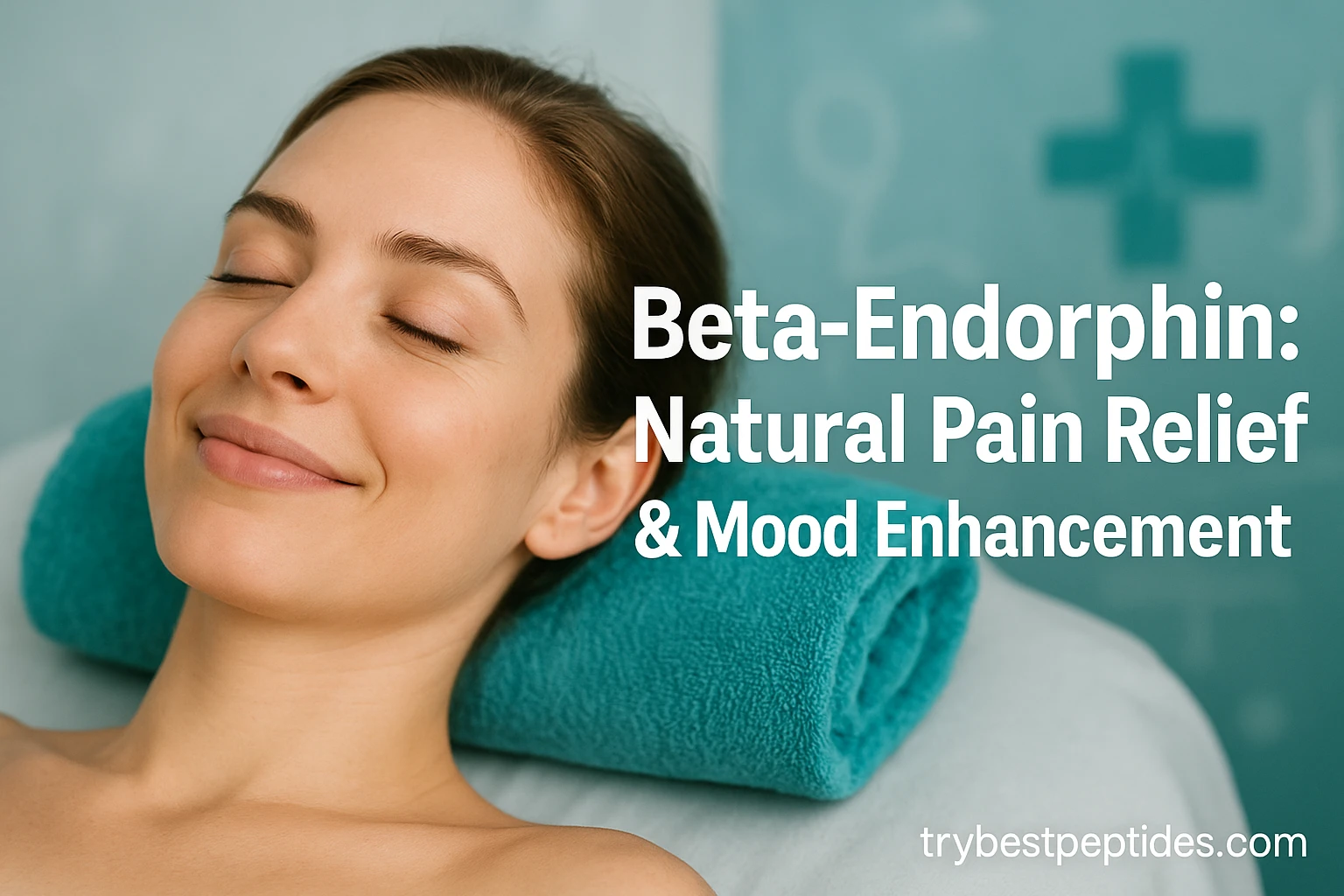
Beta-endorphin stands as one of the body's most remarkable natural compounds, functioning as both a neurotransmitter and a powerful pain management agent. This endogenous opioid peptide, produced primarily in the pituitary gland and hypothalamus, plays a crucial role in regulating pain perception, mood elevation, and overall emotional well-being. Unlike synthetic opioids that carry significant risks of dependency and adverse effects, beta-endorphin works within the body's natural systems to create feelings of euphoria, reduce discomfort, and promote mental resilience. Understanding this fascinating neuropeptide reveals why physical activity, meditation, and positive experiences can trigger such profound feelings of well-being. This comprehensive guide explores the mechanisms of beta-endorphin, its multiple health benefits, and practical ways to naturally enhance its production in your body.
What is Beta-Endorphin?
Beta-endorphin is a neuropeptide belonging to a class of molecules known as endogenous opioids. The term "endogenous" refers to substances naturally produced within the body, distinguishing beta-endorphin from exogenous opioids derived from external pharmaceutical sources. This peptide consists of 31 amino acids and is synthesized from a larger precursor molecule called pro-opiomelanocortin (POMC).
The primary production sites for beta-endorphin include the anterior pituitary gland and the hypothalamus, though smaller amounts are produced in other tissues throughout the body. Once released, beta-endorphin circulates through the bloodstream and crosses the blood-brain barrier to interact with opioid receptors in the central nervous system. These interactions trigger a cascade of neurochemical events that produce its characteristic effects on pain, mood, and stress response.
The Science Behind Pain Relief
How Beta-Endorphin Blocks Pain Signals
The pain-relieving properties of beta-endorphin work through a sophisticated mechanism involving opioid receptor activation. When beta-endorphin binds to mu and delta opioid receptors throughout the nervous system, it modulates the transmission of pain signals between neurons. Specifically, this binding reduces the release of substance P, a neurotransmitter responsible for transmitting pain information to the brain.
This process occurs at multiple levels of the nervous system, from the spinal cord to higher brain centers involved in pain perception and emotional processing. The result is a genuine reduction in pain sensation rather than a mere masking of discomfort. This natural pain management system has evolved over millions of years to help organisms cope with injury and stress.
Natural vs. Pharmaceutical Pain Management
Unlike pharmaceutical opioids, which pose serious risks of addiction, tolerance, and overdose, beta-endorphin works within the body's natural regulatory systems. The body maintains homeostatic control over beta-endorphin production through feedback mechanisms, preventing excessive accumulation and reducing dependence risks. Furthermore, natural beta-endorphin elevations occur in concert with other beneficial neurochemicals, creating a more balanced neurochemical environment.
Euphoria and Emotional Well-Being
Beyond pain relief, beta-endorphin is famous for producing the "runner's high"—a state of euphoria and mental clarity that accompanies sustained physical exercise. This pleasant sensation results from significant beta-endorphin release triggered by physical exertion, particularly during aerobic activities. The euphoric effect serves an evolutionary purpose, reinforcing behaviors that promote survival and health.
The emotional benefits of beta-endorphin extend beyond exercise-induced euphoria. Regular elevation of this neuropeptide is associated with improved mood, reduced anxiety, enhanced stress resilience, and better emotional regulation. Individuals who engage in activities that naturally elevate beta-endorphin often report improved quality of life, greater life satisfaction, and more positive psychological outlooks.
Stress Response and Adaptation
Beta-endorphin plays an essential role in the body's stress response system. When confronted with psychological or physical stressors, the hypothalamic-pituitary-adrenal (HPA) axis activates beta-endorphin release. This response helps the organism cope with acute stress by reducing pain sensation and promoting emotional stability during challenging circumstances.
Chronic elevation of beta-endorphin through regular stress management practices can enhance overall stress resilience. Individuals with higher baseline beta-endorphin levels demonstrate improved ability to handle future stressors, suggesting that this neuropeptide contributes to psychological hardiness and adaptive capacity.
Natural Methods to Enhance Beta-Endorphin Production
Physical Exercise
Regular aerobic exercise represents one of the most effective methods for stimulating beta-endorphin release. Activities such as running, cycling, swimming, and dancing consistently trigger significant endorphin elevation. Even moderate-intensity exercise performed for 20-30 minutes can produce measurable increases in circulating beta-endorphin levels.
The intensity and duration of exercise influence the magnitude of beta-endorphin response. While moderate exercise provides benefits, more intense workouts generally produce greater endorphin elevation. However, sustainable practices that can be maintained long-term often prove more beneficial than extreme protocols pursued sporadically.
Meditation and Mindfulness
Contemplative practices including meditation, mindfulness, and yoga have been shown to increase beta-endorphin production. These practices activate the parasympathetic nervous system, triggering a cascade of neurochemical changes that include endorphin elevation. Regular practitioners often experience cumulative benefits with sustained practice.
Positive Social Interaction
Social connection and positive interpersonal experiences stimulate beta-endorphin release. Laughter, meaningful conversation, physical touch, and expressions of gratitude all activate endorphin-producing systems. This neurochemical basis for social bonding reinforces the importance of maintaining healthy relationships and community connections.
Creative Activities
Engaging in creative pursuits such as music, art, writing, and dance can elevate beta-endorphin levels. These activities combine cognitive engagement, emotional expression, and often physical movement, creating optimal conditions for endorphin activation. Regular creative practice may contribute to improved emotional well-being and life satisfaction.
Nutritional Support
While no food directly contains beta-endorphin, certain dietary approaches support the neurochemical systems that produce this neuropeptide. Foods rich in tyrosine (an amino acid precursor to endorphins), omega-3 fatty acids, and antioxidants may indirectly support endorphin production. Additionally, maintaining stable blood sugar and adequate nutrient status supports overall neurochemical health.
Clinical Applications and Research
Pain Management
Clinical research demonstrates that beta-endorphin represents a significant component of the body's natural pain management system. This understanding has led to therapeutic approaches that work with the body's natural systems rather than against them. Integrative medicine increasingly recognizes the importance of supporting endogenous opioid systems as part of comprehensive pain management strategies.
Mood and Mental Health
The relationship between beta-endorphin and mood regulation has prompted investigation into therapeutic applications for depression, anxiety, and other mental health conditions. While beta-endorphin itself is not typically administered as a medication due to bioavailability challenges, understanding its role has informed development of complementary approaches that enhance natural production.
Practical Strategies for Daily Optimization
Implementing strategies to naturally enhance beta-endorphin production need not be complex. Begin with consistent physical activity suited to your fitness level and interests. Incorporate meditation or mindfulness practice for even 10 minutes daily. Prioritize meaningful social connections and laughter. Engage in creative activities that bring pleasure and satisfaction. These foundational practices create an environment where your body's natural pain relief and mood-enhancement systems function optimally.
Consistency matters more than intensity when pursuing long-term beta-endorphin elevation. Sustainable practices integrated into daily life produce cumulative benefits that exceed sporadic intense efforts. Consider beta-endorphin optimization as part of a holistic approach to health, combining these strategies with adequate sleep, stress management, and overall wellness practices.
Conclusion
Beta-endorphin represents a remarkable example of the body's innate capacity for self-regulation and well-being. This naturally produced neuropeptide provides pain relief and mood elevation through mechanisms refined by evolution to promote survival and flourishing. By understanding beta-endorphin's role and implementing strategies to enhance its production, individuals can access powerful natural tools for managing pain, improving emotional well-being, and building resilience.
The evidence supporting natural beta-endorphin enhancement through exercise, meditation, social connection, and creative activity is compelling. Rather than relying solely on external interventions, supporting your body's natural endorphin systems offers a sustainable, safe, and fundamentally health-promoting approach to well-being. Start today with practices that resonate with your lifestyle, and experience the transformative effects of optimized beta-endorphin function.
Key Takeaways
- Beta-endorphin is a natural opioid peptide produced in the pituitary gland and hypothalamus that provides pain relief without addiction risks associated with pharmaceutical opioids
- Physical exercise is the most effective stimulator of beta-endorphin release, particularly aerobic activities that can produce the well-known "runner's high"
- Multiple pathways enhance production, including meditation, positive social interaction, creative activities, and proper nutrition
- Stress resilience improves with sustained practice, as regular beta-endorphin elevation strengthens the body's ability to handle future stressors
- Consistency outperforms intensity, making sustainable daily practices more effective than sporadic intense efforts
- Natural optimization avoids dependence risks present with pharmaceutical alternatives, working within the body's natural regulatory systems
-