
Blog
Science-backed articles on peptide research, mechanisms, and the latest findings from our research team.
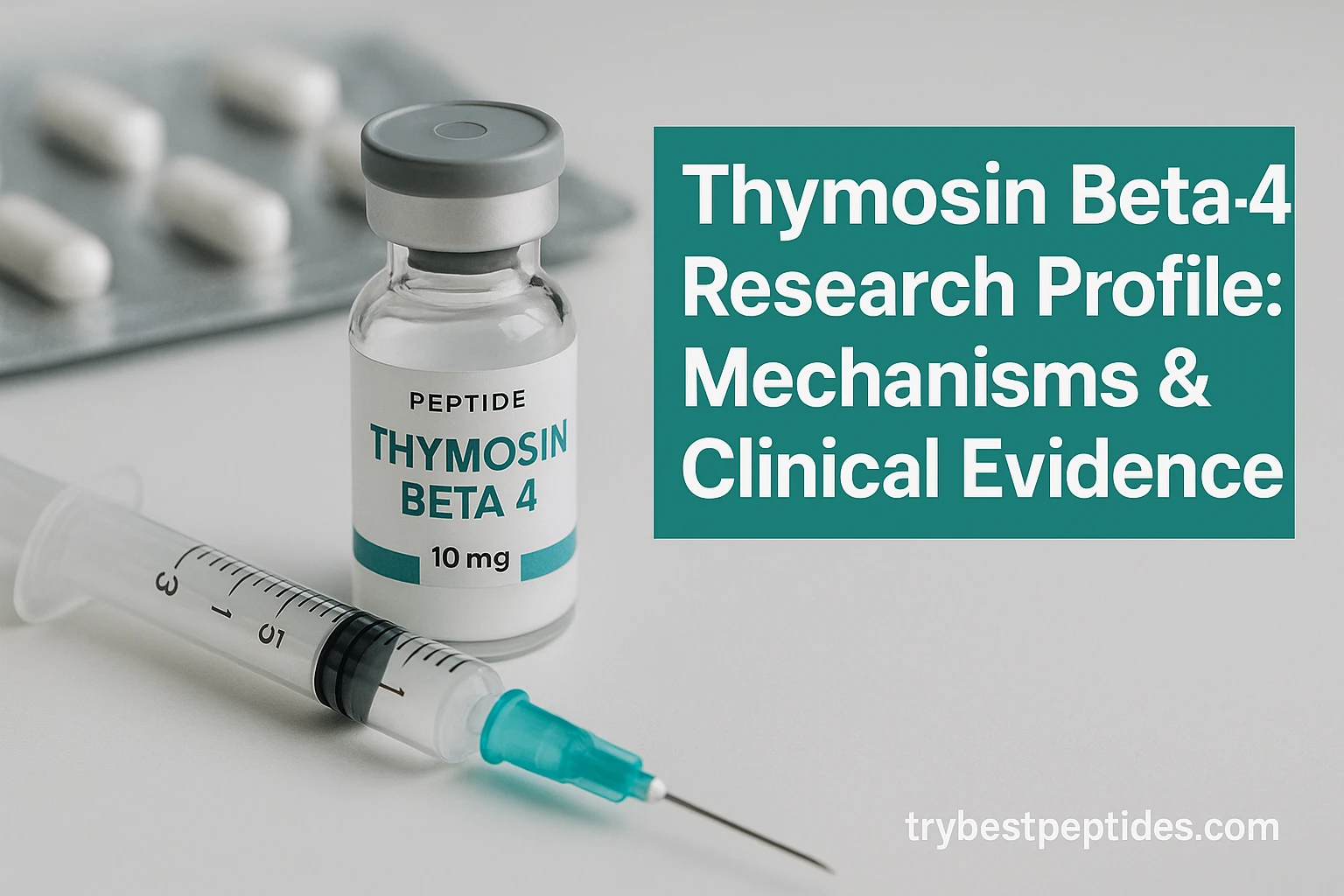
Thymosin Beta-4: Full Research Profile
Thymosin Beta-4 is a 43-amino-acid regenerative peptide with Phase 3 clinical trials for eye healing and broad research applications in cardiac and neural repair. Discover its mechanisms, safety profile, and therapeutic potential.
TB-500 Mechanisms Research: Complete Guide to Thymosin Beta-4 Fragment
Complete guide to TB-500 peptide mechanisms, cellular pathways, and current research evidence. Understand how this synthetic Thymosin Beta-4 fragment functions biologically.
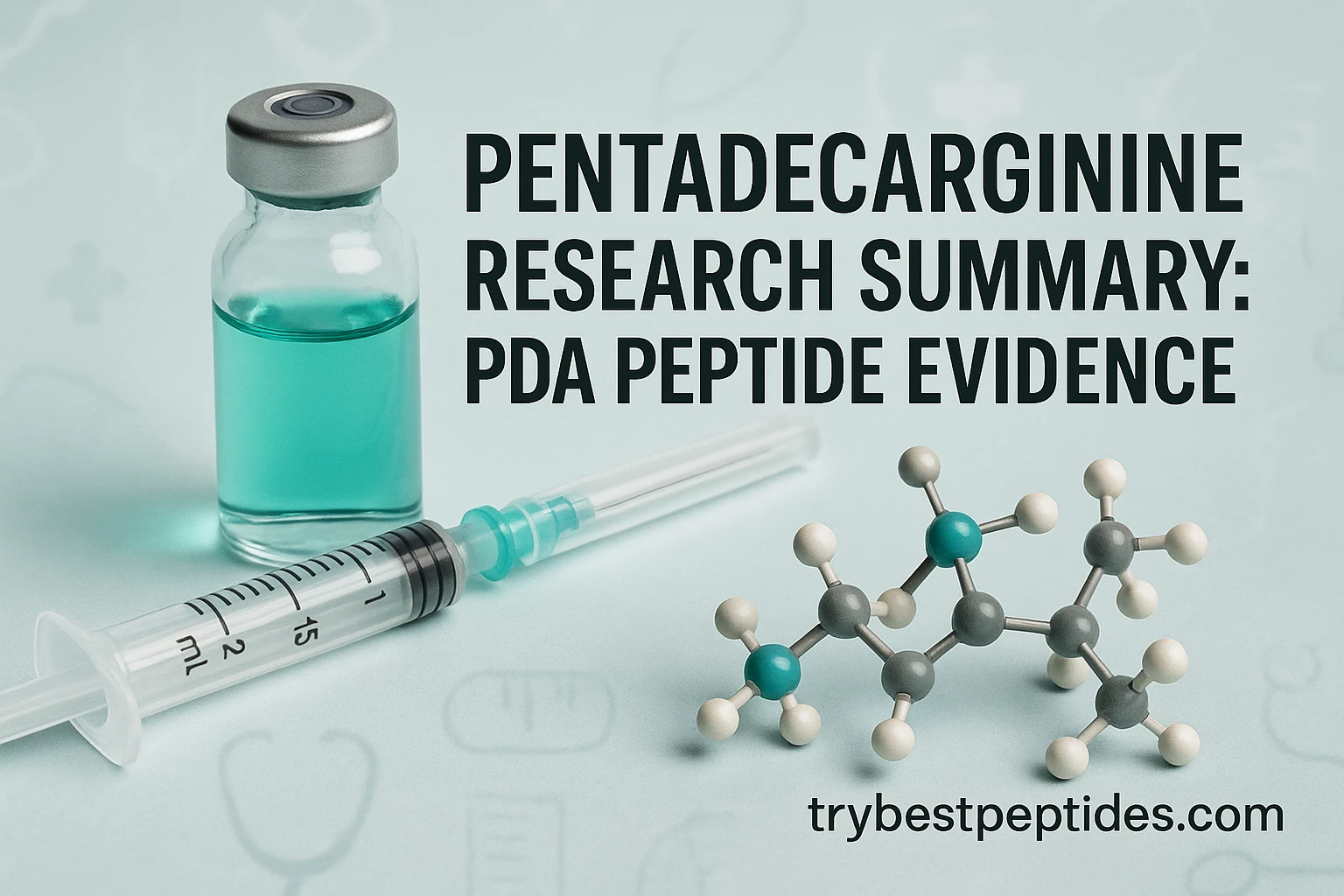
Pentadecarginine (PDA): Research Summary
Pentadecarginine (PDA) is an arginine-rich synthetic peptide gaining attention in research circles. This guide examines current evidence, mechanisms of action, and what scientists understand about its potential applications and safety profile.
Larazotide: Intestinal Permeability Research and Therapeutic Potential
Larazotide is a synthetic peptide targeting intestinal permeability through zonulin modulation. Clinical research demonstrates moderate symptom improvements in celiac disease, though it functions as a complement to rather than replacement for gluten-free diets. Current regulatory status remains under review in most jurisdictions.
KPV: Anti-Inflammatory Peptide Profile
KPV is a tripeptide derived from alpha-MSH showing anti-inflammatory potential through cytokine modulation and immune cell regulation. This profile examines current research evidence, mechanisms of action, and regulatory status.
BPC-157: Complete Scientific Guide
BPC-157 is a synthetic peptide with hundreds of preclinical studies but minimal human clinical evidence. This guide examines mechanisms, research findings, safety considerations, and regulatory status based on current scientific literature.
BPC 157: The Healing Peptide Research Guide
BPC-157 is a 15-amino acid peptide with significant potential for tissue healing and regeneration. This comprehensive guide explores its mechanisms, research applications, and current scientific evidence supporting its therapeutic promise across multiple biological systems.
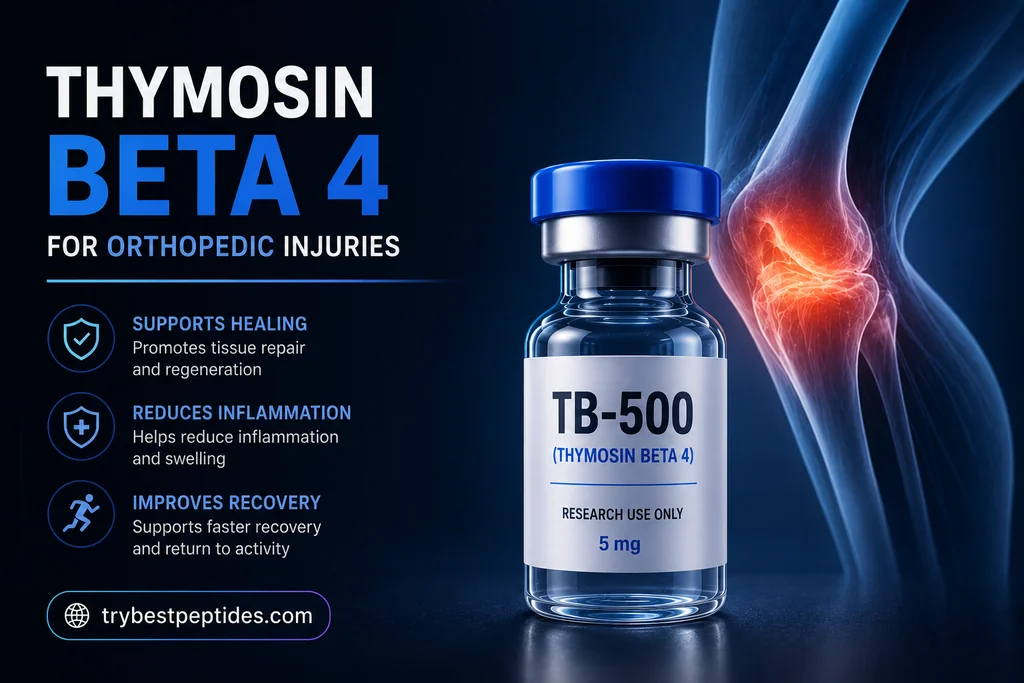
Thymosin Beta 4 for orthopedic injuries
Thymusin beta-4 is a naturally occurring 43-amino acid peptide that supports tissue healing and regeneration through stem cell activation and collagen organization. This guide explains how TB4 works, its clinical applications, and essential safety considerations for anyone considering peptide therapy.
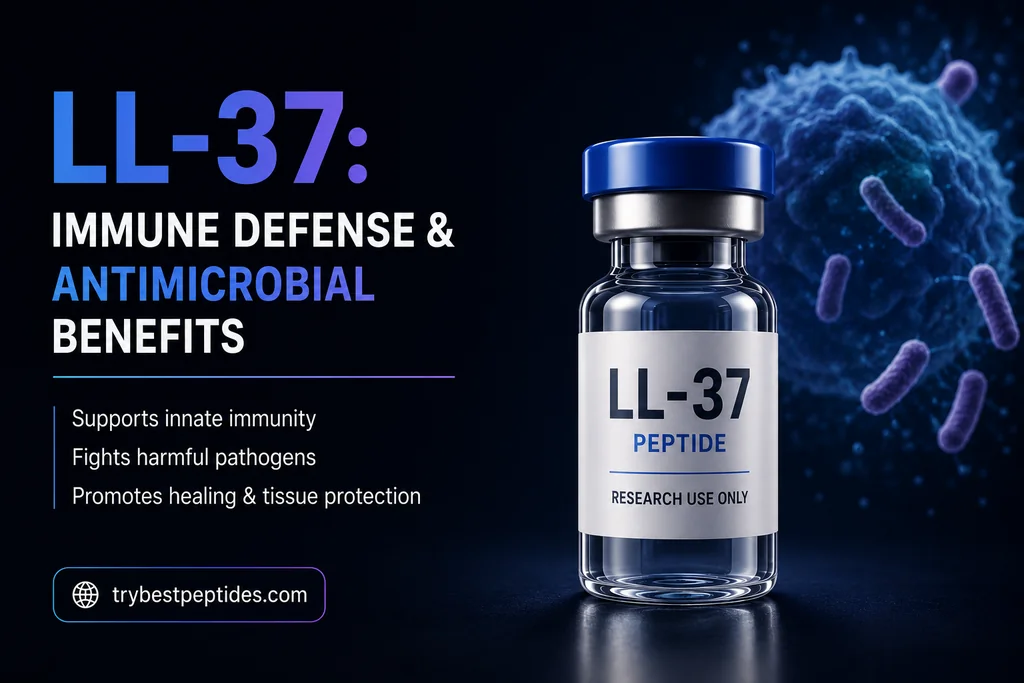
LL-37: Immune Defense & Antimicrobial Benefits
LL37 is a naturally occurring antimicrobial peptide produced by your immune system that shows promise as a complement to or alternative for conventional antibiotics. This comprehensive guide explores how LL37 works, its research-backed benefits, optimal dosing protocols, and complementary peptides and lifestyle practices that maximize its potential for immune health and infection prevention.
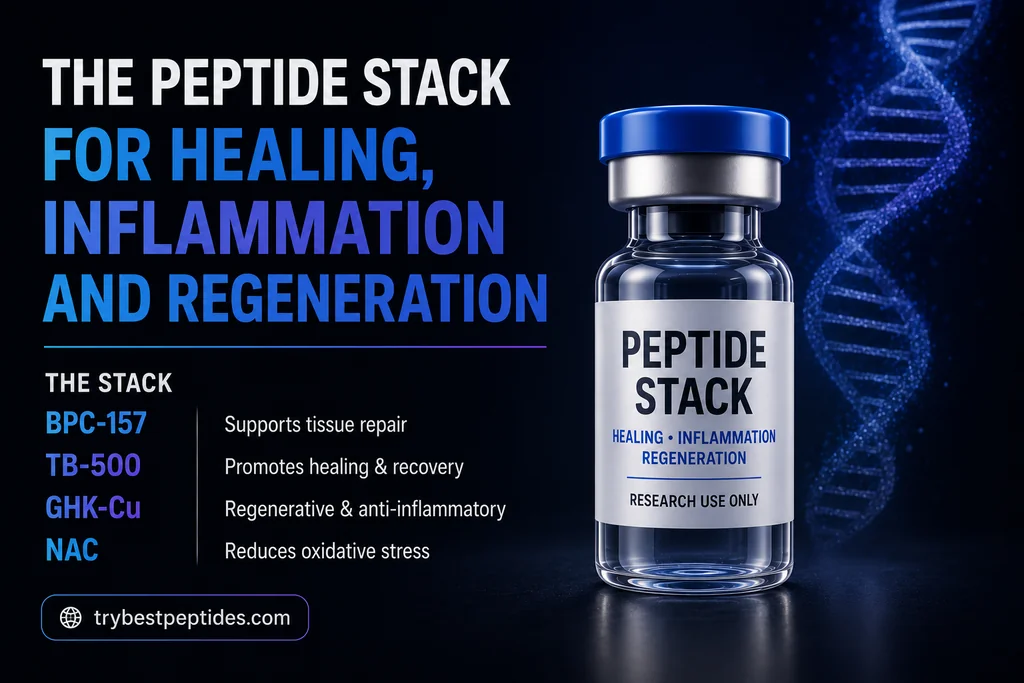
The Peptide Stack For Healing, Inflammation and Regeneration
Discover the science behind peptide stacking and how combining BPC-157, TB-500, GHK-Cu, and KPV creates comprehensive recovery protocols. Learn mechanisms, synergies, and practical considerations for safe experimentation.
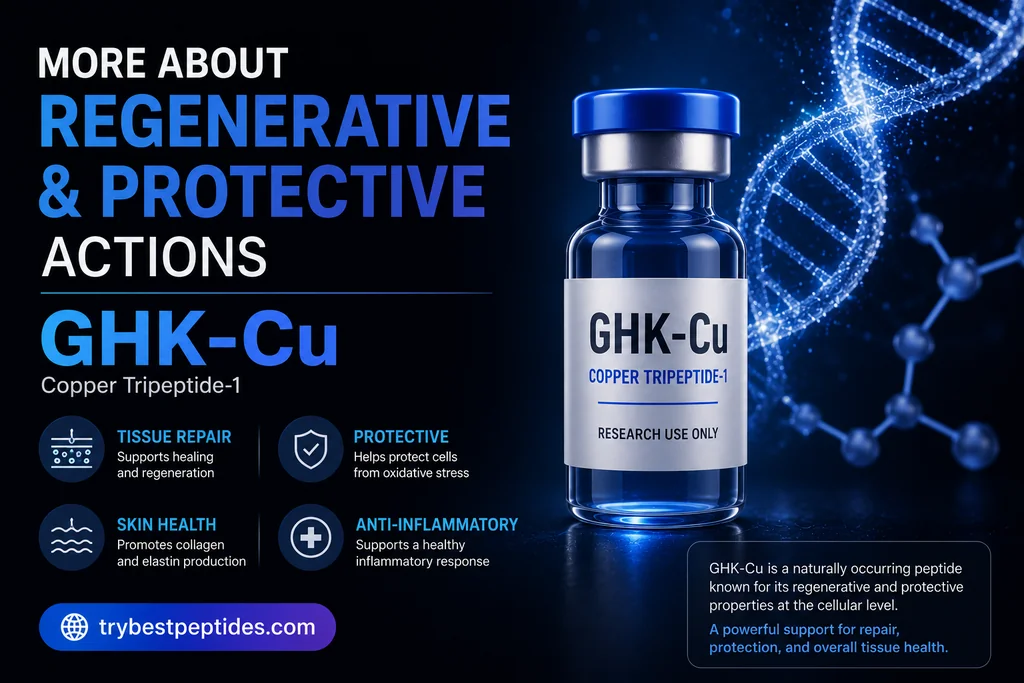
More about regenerative and protective Actions GHK-Cu
GHK copper is far more than a beauty peptide. This naturally occurring compound influences 30% of your genome, addresses collagen breakdown caused by aging, and shows promise for treating COPD, wounds, and hair loss. Learn what the research actually shows and what safety considerations matter.
BPC-157: The Healing Peptide Research Guide
BPC-157 is a 15-amino acid peptide with promising research potential for tissue healing, musculoskeletal support, and multiple physiological systems. Learn about its mechanisms and current research applications.