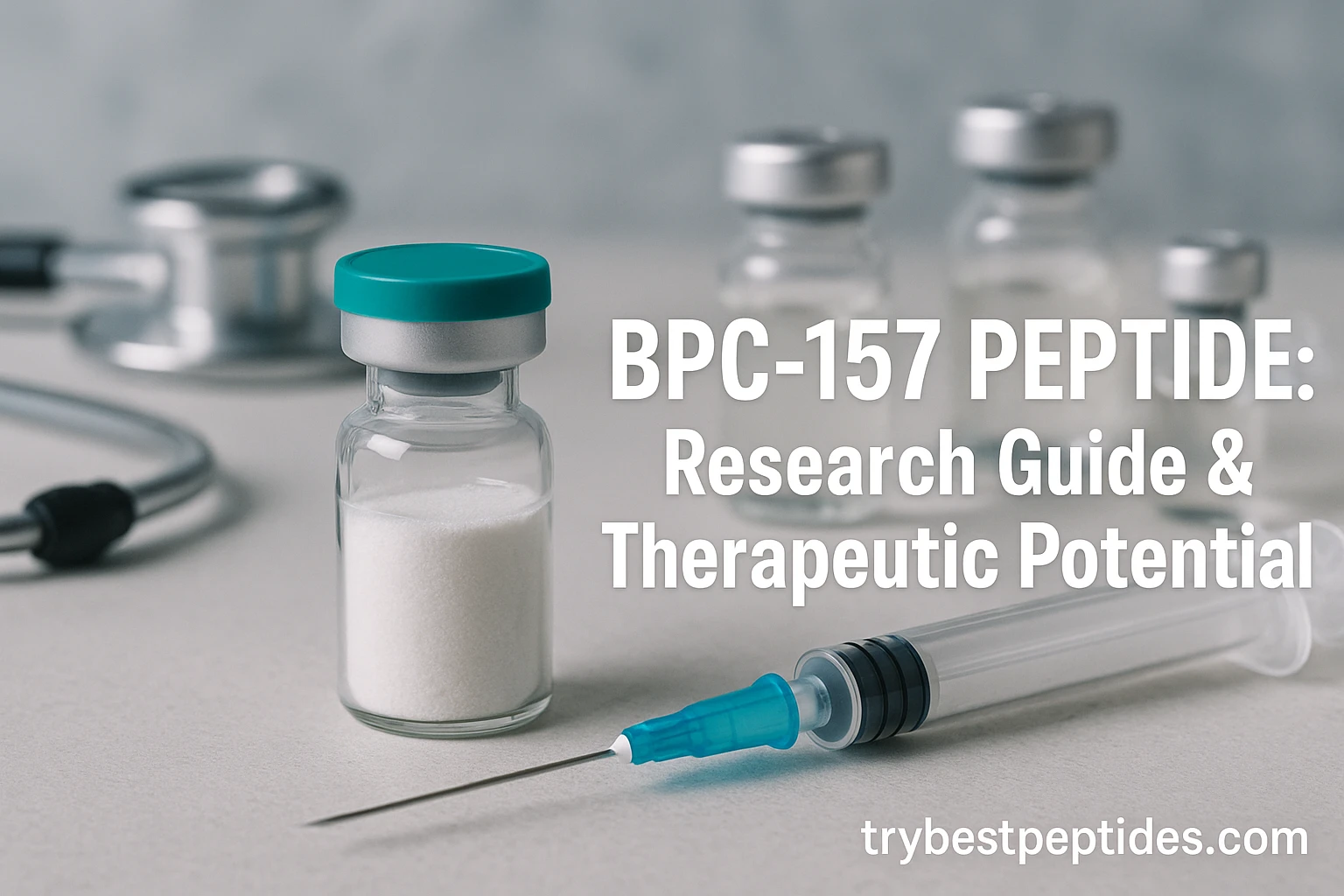
BPC-157, also known as Body Protection Compound-157, represents one of the most extensively studied peptides in modern regenerative medicine research. This synthetic peptide, derived from gastric juice protective compounds, has garnered significant attention from the scientific community for its potential therapeutic applications across multiple physiological systems. Originally discovered in the 1990s, BPC-157 continues to be the subject of rigorous clinical investigations, with researchers exploring its capacity to promote tissue healing, reduce inflammation, and support various organ systems. The peptide's versatility and promising research outcomes have established it as a cornerstone compound in peptide therapy discussions, attracting interest from both academic institutions and biotech companies worldwide.
What is BPC-157?
BPC-157 is a 15-amino acid peptide that was first isolated from human gastric juice. The compound belongs to a class of protective peptides and is characterized by its unique sequence composition. Scientists initially identified BPC-157 due to its remarkable ability to support the body's natural healing mechanisms, particularly in the gastrointestinal tract.
The peptide functions through multiple biological pathways, interacting with various receptor systems and signaling cascades throughout the body. Its mechanism of action involves modulation of growth factors, including vascular endothelial growth factor (VEGF) and fibroblast growth factor (FGF), which play crucial roles in tissue repair and regeneration. These properties distinguish BPC-157 from other peptide compounds and contribute to its widespread research interest.
Research Applications and Benefits
Gastrointestinal Health Support
The original research focus on BPC-157 centered on its potential benefits for the digestive system. Numerous studies have investigated its role in supporting gastric mucosa integrity, promoting epithelial cell proliferation, and maintaining healthy intestinal barriers. Researchers have observed that BPC-157 may help protect against various gastrointestinal challenges by enhancing the body's natural protective mechanisms.
Animal models have demonstrated promising results regarding BPC-157's potential to support recovery from various digestive tract concerns. The peptide appears to work by stimulating growth factor production and promoting angiogenesis—the formation of new blood vessels—which facilitates tissue restoration and functional recovery.
Musculoskeletal and Joint Health
Beyond gastrointestinal applications, extensive research has explored BPC-157's potential in musculoskeletal medicine. Studies suggest that the peptide may support muscle recovery, tendon healing, and bone remodeling processes. Athletes and individuals interested in optimizing recovery have become increasingly interested in BPC-157 due to these research findings.
The peptide's mechanisms appear particularly relevant for supporting collagen synthesis and promoting fibroblast activity—essential processes in connective tissue repair. Research indicates that BPC-157 may enhance the body's natural healing response to training stress and tissue damage.
Neurological System Support
Emerging research has examined BPC-157's potential neuroprotective properties. Studies conducted on animal models suggest that the peptide may support neural regeneration, promote neuroplasticity, and help maintain cognitive function. Researchers have observed that BPC-157 may modulate neurotrophic factors, particularly brain-derived neurotrophic factor (BDNF), which plays a critical role in neuronal health and survival.
These findings have sparked interest in BPC-157's potential applications for supporting recovery from various neurological challenges and maintaining optimal brain function throughout the lifespan.
Cardiovascular System Benefits
Cardiovascular research on BPC-157 has revealed potentially significant findings. Studies suggest that the peptide may support healthy blood pressure regulation, promote cardiovascular tissue repair, and enhance blood flow to vital organs. The mechanism appears to involve BPC-157's ability to stimulate nitric oxide production, a crucial signaling molecule for vascular health.
How BPC-157 Works: Mechanisms of Action
BPC-157 operates through several interconnected biological pathways that explain its diverse therapeutic potential. The peptide's primary mechanism involves activation of the NO-cGMP pathway, which regulates vascular function and tissue perfusion. Additionally, BPC-157 stimulates the production of essential growth factors including vascular endothelial growth factor (VEGF), fibroblast growth factor (FGF), and hepatocyte growth factor (HGF).
These growth factors orchestrate multiple cellular processes: promoting angiogenesis, accelerating epithelial cell proliferation, enhancing collagen deposition, and supporting tissue remodeling. Furthermore, BPC-157 appears to modulate inflammatory responses, helping the body maintain appropriate immune signaling while promoting resolution of excessive inflammation.
The peptide also influences gene expression patterns, upregulating genes associated with healing and tissue repair while downregulating those linked to tissue degradation. This multifaceted approach to cellular signaling explains why BPC-157 demonstrates potential benefits across multiple physiological systems.
Research Findings and Clinical Evidence
Current State of Research
The research landscape surrounding BPC-157 remains dynamic and evolving. Hundreds of published studies have documented the peptide's effects across various animal models, with many demonstrating statistically significant improvements in healing parameters, inflammatory markers, and functional recovery metrics.
However, the scientific community emphasizes that while preclinical evidence is promising, large-scale human clinical trials are still underway. Current research represents primarily in vitro and animal model studies, which provide valuable mechanistic insights while human data continues to accumulate.
Notable Study Outcomes
Animal model studies have reported encouraging results across multiple domains:
- Tissue Repair: Studies document accelerated healing timelines and improved functional recovery in muscle, tendon, and bone tissues
- Inflammatory Response: Research indicates beneficial modulation of pro-inflammatory and anti-inflammatory cytokine production
- Vascular Function: Studies show enhanced blood flow and improved tissue perfusion in treated subjects
- Neurological Support: Research suggests potential benefits for neural regeneration and cognitive function
Considerations and Research Status
As with all research peptides, BPC-157 requires careful scientific scrutiny and appropriately designed clinical trials. Researchers worldwide continue investigating optimal dosing protocols, administration routes, long-term safety profiles, and efficacy in human populations. Most current applications remain within research and investigational contexts, with regulatory approval varying significantly by jurisdiction.
Individuals interested in BPC-157 should stay informed about the evolving research landscape and consult appropriate medical professionals regarding its use. The scientific community continues working to establish comprehensive clinical evidence that will inform future therapeutic applications and regulatory pathways.
Conclusion
BPC-157 stands out as a compelling research compound with demonstrated potential across multiple biological systems. From gastrointestinal support to musculoskeletal healing, neurological protection, and cardiovascular health, the peptide's versatile mechanisms of action continue to drive scientific interest and investigation. While animal model and preliminary research are encouraging, the path to clinical application requires rigorous human trials and regulatory evaluation.
The future of BPC-157 research appears promising, with ongoing investigations likely to clarify its therapeutic potential, optimal application protocols, and role within regenerative medicine. As the scientific community advances understanding of this remarkable peptide, we can expect increasingly refined applications and clearer guidance regarding its use in clinical and research contexts. For now, BPC-157 remains a fascinating subject of active scientific inquiry with significant potential for future therapeutic developments.
Key Takeaways
- BPC-157 is a 15-amino acid peptide derived from gastric juice with demonstrated potential across multiple physiological systems
- The peptide operates through growth factor stimulation (VEGF, FGF, HGF) and NO-cGMP pathway activation, promoting tissue repair and angiogenesis
- Research suggests potential applications in gastrointestinal support, musculoskeletal healing, neurological protection, and cardiovascular health
- Current evidence is primarily from animal models and in vitro studies, with human clinical trials continuing to develop
- BPC-157 remains primarily a research compound requiring further clinical evidence before widespread therapeutic approval
- Ongoing investigations focus on optimal dosing, administration routes, safety profiles, and efficacy in human populations
-