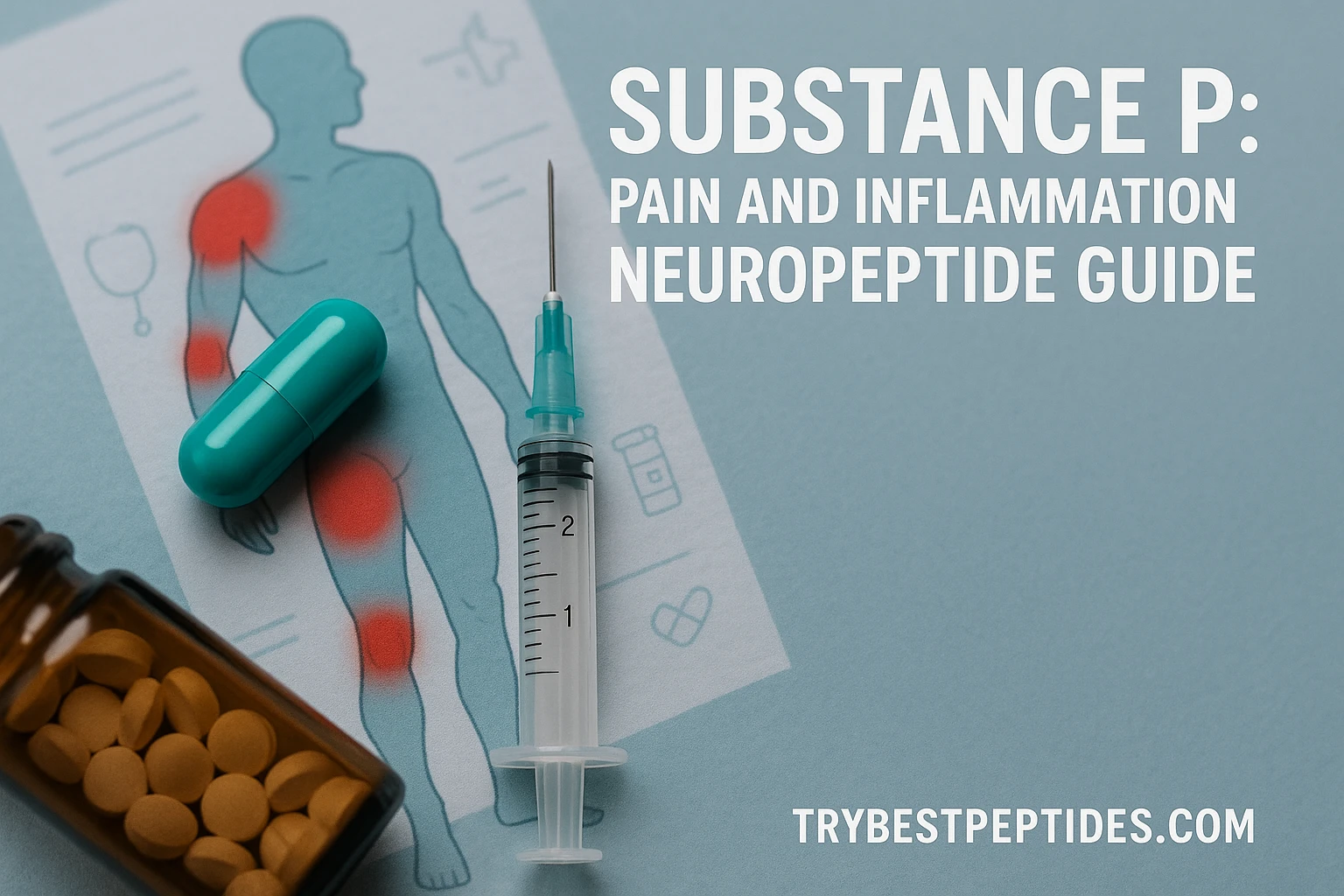
Substance P is a critical neuropeptide that plays a fundamental role in pain transmission and inflammatory responses throughout the body. As an 11-amino acid peptide, it functions as a neurotransmitter in the central and peripheral nervous systems, making it essential for how our bodies perceive and respond to pain signals. This peptide has garnered significant attention from researchers and medical professionals due to its involvement in various physiological processes, including pain modulation, immune regulation, and stress responses. Understanding Substance P's mechanisms and functions provides valuable insights into pain management strategies and potential therapeutic applications. Whether you're studying neuroscience, considering peptide therapies, or simply seeking knowledge about how your nervous system processes pain, this comprehensive guide will explore the science behind one of nature's most important signaling molecules.
What Is Substance P?
Substance P is a neuropeptide composed of eleven amino acids that belongs to the tachykinin family of peptides. Originally discovered in the 1930s, it has become one of the most extensively researched neuropeptides in modern neuroscience. The name "Substance P" derives from its initial identification as a "pain-producing substance" in laboratory extracts.
This peptide functions as both a neurotransmitter and neuromodulator, meaning it can directly transmit signals between neurons and modulate the strength of existing neural connections. Substance P is synthesized primarily in the dorsal root ganglia of the spinal cord and distributed throughout the central nervous system (CNS) and peripheral nervous system (PNS). Its widespread distribution underscores its importance in multiple physiological processes beyond pain perception alone.
The peptide operates by binding to specific receptors called neurokinin receptors, with the primary receptor being NK1. This interaction initiates a cascade of cellular events that result in pain signal amplification and inflammatory responses. The presence of Substance P in various brain regions associated with emotion, stress, and mood regulation also suggests its involvement in psychological and emotional processing.
The Role of Substance P in Pain Transmission
How Substance P Transmits Pain Signals
One of Substance P's most well-established roles is its involvement in pain transmission, particularly in nociceptive pain pathways. When tissue damage occurs or noxious stimuli are detected, specialized sensory neurons called nociceptors become activated. These neurons release Substance P in the spinal cord, where it binds to NK1 receptors on second-order neurons that transmit pain information to the brain.
This process is called synaptic transmission, and Substance P acts as the primary excitatory neurotransmitter in this pathway. The activation of NK1 receptors initiates depolarization of the receiving neuron, effectively amplifying the pain signal as it travels toward the central nervous system. This amplification mechanism is crucial for ensuring that the brain receives adequate warning of potential tissue damage.
Chronic Pain and Substance P Levels
Research has revealed that chronic pain conditions are often associated with elevated levels of Substance P in the cerebrospinal fluid. This elevation suggests that prolonged pain states may involve sustained release of this neuropeptide, creating a feedback loop that perpetuates pain perception. Understanding this relationship has opened new therapeutic avenues for managing chronic pain conditions that have historically been difficult to treat.
Conditions such as fibromyalgia, chronic back pain, and neuropathic pain have all shown correlations with abnormal Substance P signaling. By targeting the production or action of this peptide, researchers hope to develop more effective pain management strategies with fewer side effects than traditional medications.
Substance P and Inflammatory Responses
Beyond pain transmission, Substance P plays a significant role in inflammatory processes. The peptide can trigger mast cell degranulation, leading to the release of inflammatory mediators such as histamine and cytokines. This mechanism makes Substance P an important link between neurological signals and immune system activation.
The inflammatory properties of Substance P explain why it accumulates at sites of tissue injury and inflammation. By promoting immune cell recruitment and activation, Substance P facilitates the body's natural inflammatory response to injury or infection. However, dysregulation of this process can lead to excessive inflammation, contributing to various inflammatory and autoimmune conditions.
Studies have demonstrated Substance P's involvement in conditions including rheumatoid arthritis, inflammatory bowel disease, and asthma. In these cases, excessive Substance P signaling may perpetuate chronic inflammation, making it a potential therapeutic target for reducing inflammatory symptoms and improving patient outcomes.
Substance P in the Central Nervous System
Stress and Emotional Processing
Beyond pain and inflammation, Substance P has emerged as an important player in stress responses and emotional regulation. The peptide is widely distributed throughout brain regions associated with mood, anxiety, and stress processing, including the amygdala, hypothalamus, and hippocampus.
Research suggests that Substance P levels may be elevated in individuals experiencing anxiety, depression, and post-traumatic stress disorder. NK1 receptor antagonists—drugs that block Substance P's effects—have shown promise in preclinical studies as potential anxiolytic and antidepressant agents. This emerging understanding of Substance P's role in mental health represents an exciting frontier in neuropharmacology.
Neuroplasticity and Learning
Emerging evidence indicates that Substance P may contribute to neuroplasticity—the brain's ability to form new neural connections and reorganize existing networks. This property could have implications for learning, memory formation, and recovery from neurological injuries. The peptide's presence in the hippocampus and cortex supports its potential involvement in cognitive processes.
Substance P and Immune Function
The relationship between Substance P and the immune system extends beyond inflammatory responses. This neuropeptide can directly influence immune cell behavior, affecting both innate and adaptive immune responses. Substance P receptors have been identified on various immune cells, including T cells, B cells, and macrophages.
The peptide promotes immune cell migration, activation, and cytokine production, effectively serving as a bridge between the nervous and immune systems—a phenomenon known as neuroimmune communication. This bidirectional signaling helps coordinate the body's defense responses to pathogenic threats. However, excessive Substance P signaling may contribute to autoimmune conditions where the immune system inappropriately attacks the body's own tissues.
Therapeutic Applications and Research Directions
NK1 Receptor Antagonists
Given Substance P's involvement in pain and inflammation, researchers have developed NK1 receptor antagonists—compounds that block the peptide's actions. Several of these drugs have progressed through clinical trials, with aprepitant (Emend) already approved for chemotherapy-induced nausea and vomiting. Other candidates continue to be evaluated for pain management and psychiatric conditions.
The clinical development of NK1 antagonists reflects the significant therapeutic potential of modulating Substance P signaling. These drugs represent a novel pharmacological approach distinct from traditional pain medications and anti-inflammatory agents.
Peptide Therapy Approaches
Some research explores direct peptide-based approaches to modulating Substance P function. Rather than blocking the peptide, these strategies might involve administering modified versions of Substance P or related peptides to achieve therapeutic effects. Peptide therapies offer advantages including specificity and potentially fewer off-target effects compared to small-molecule drugs.
Conclusion
Substance P stands as one of the most important neuropeptides in human physiology, with roles spanning pain transmission, inflammation, immune regulation, and emotional processing. Its widespread distribution throughout the nervous system and its involvement in multiple physiological systems highlight its significance in maintaining health and responding to threats.
The extensive research into Substance P over the past several decades has transformed our understanding of pain, inflammation, and stress. As neuroscience continues to advance, this neuropeptide remains a focal point for developing innovative therapeutic strategies. Whether through NK1 receptor antagonists, peptide therapies, or other emerging approaches, modulating Substance P signaling offers promising avenues for treating chronic pain, inflammatory diseases, and psychiatric conditions.
The future of Substance P research likely holds exciting developments in personalized medicine, where targeting this neuropeptide could lead to more effective and individualized treatment plans for patients suffering from pain and inflammation-related disorders.
Key Takeaways
- Substance P is an 11-amino acid neuropeptide crucial for pain transmission, inflammation, and immune regulation
- The peptide transmits pain signals by binding to NK1 receptors in the spinal cord and brain
- Elevated Substance P levels in cerebrospinal fluid correlate with chronic pain conditions
- Substance P plays important roles in stress responses and emotional regulation beyond pain perception
- The neuropeptide bridges the nervous and immune systems, influencing immune cell behavior and inflammatory responses
- NK1 receptor antagonists represent a promising therapeutic approach for pain, inflammation, and psychiatric conditions
- Research continues to explore peptide-based therapies targeting Substance P signaling pathways
-