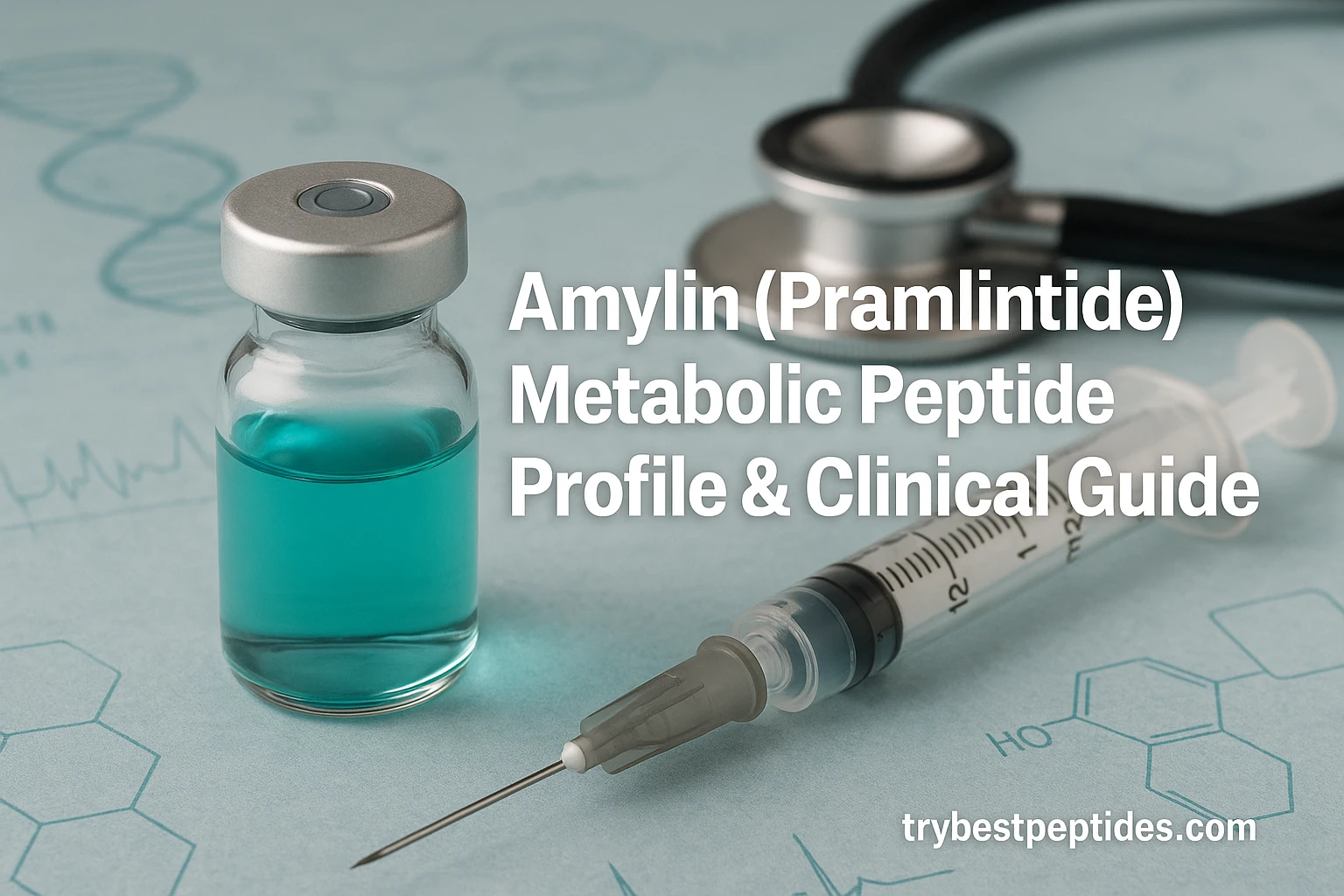
The pharmaceutical landscape for weight management and metabolic control has undergone a profound transformation in recent years. While GLP-1 receptor agonists like semaglutide have dominated headlines with impressive weight loss results ranging from 15-20%, emerging research suggests that the true breakthrough may lie in combining these compounds with amylin analogs. Amylin represents a distinct class of metabolic peptide with unique mechanisms that complement existing therapies. This comprehensive guide explores the science behind amylin, its clinical applications through pramlintide (Symlin), and the next-generation compounds reshaping the future of metabolic medicine. Whether you're a researcher, healthcare professional, or informed patient, understanding amylin's role in glucose homeostasis and appetite regulation provides crucial context for evaluating modern metabolic therapeutics.
What Is Amylin and Why It Matters
Amylin, scientifically known as islet amyloid polypeptide (IAPP), is a 37-amino acid peptide hormone naturally produced by pancreatic beta cells. Unlike insulin, which exclusively controls glucose utilization, amylin works through multiple parallel pathways to regulate postprandial (after-meal) glucose levels and promote satiety.
In healthy individuals, amylin is co-secreted with insulin in response to nutrient intake. This coordinated release ensures optimal glucose handling and appetite suppression. However, individuals with type 2 diabetes often exhibit amylin deficiency or dysregulation, contributing to poor glucose control and increased appetite—a metabolic dysfunction that existing monotherapies fail to address.
The discovery that amylin deficiency parallels insulin resistance has catalyzed significant research into amylin replacement therapy. Unlike insulin, which requires complex dosing calculations, amylin operates through distinct receptor mechanisms that don't directly compete with or interfere with insulin signaling, making it an ideal combination partner in metabolic treatment protocols.
How Amylin Works: Mechanisms of Action
Amylin exerts its metabolic effects through several interconnected mechanisms:
Amylin Receptor Signaling
Amylin binds to amylin receptors (primarily the AMY3 receptor subtype) distributed throughout the brain and peripheral tissues. This binding initiates G-protein coupled receptor signaling cascades that influence neurotransmitter release in appetite-regulating brain regions, particularly the hypothalamus and brainstem.
Glucose Regulation and Nutrient Handling
Amylin slows gastric emptying—the rate at which food moves from the stomach into the small intestine. This deceleration prevents rapid glucose spikes by allowing more gradual nutrient absorption. Additionally, amylin suppresses glucagon secretion, a counter-regulatory hormone that raises blood glucose. Together, these effects create a more stable postprandial glucose profile, reducing glycemic variability and insulin demand.
Appetite Suppression and Satiety
Through activation of specific hypothalamic nuclei, amylin promotes genuine satiety signals that reduce meal size and extend time between eating episodes. This neurological effect differs fundamentally from simple fullness—amylin actively decreases hunger-related neuropeptide Y and agouti-related peptide signaling while enhancing pro-opiomelanocortin neurons that encode satiety.
Bone Metabolism Effects
Emerging research suggests amylin influences osteoblast activity and bone remodeling. This secondary mechanism may explain some metabolic benefits observed in amylin-treated patients beyond weight loss and glucose control.
Pramlintide (Symlin): First-Generation Amylin Analog
Pramlintide, marketed as Symlin, represents the first clinically available amylin analog approved for therapeutic use. Developed through structural modifications to enhance stability and receptor binding, pramlintide overcomes several limitations of native amylin, particularly its propensity to self-aggregate and form fibrils in pharmaceutical formulations.
Clinical Applications and Efficacy Data
Pramlintide is FDA-approved for patients with type 1 diabetes and type 2 diabetes who use insulin therapy. Clinical trials demonstrate:
- Glycemic control improvements: A1C reductions of 0.5-1.0% when added to insulin regimens
- Weight loss benefits: Average reductions of 1-2 kg over 52 weeks, particularly in type 2 diabetes cohorts
- Reduced insulin requirements: Patients often achieve target glucose control with lower insulin doses, decreasing injection burden and hypoglycemia risk
Administration and Dosing Considerations
Pramlintide is administered as subcutaneous injections, typically using pre-filled pens. Starting doses begin at 15 mcg before meals, titrating upward to 30-60 mcg depending on tolerability and glycemic response. The injection regimen requires careful timing—pramlintide must be administered 2-3 minutes before insulin injection to ensure appropriate pharmacokinetic sequencing.
Limitations of First-Generation Therapy
Despite efficacy, pramlintide adoption remains suboptimal due to several practical constraints:
- Injection frequency: Requiring three to four daily injections limits patient adherence
- Hypoglycemia risk: Pramlintide can enhance hypoglycemia when combined with rapid-acting insulins, necessitating cautious patient selection and insulin dose adjustment
- Gastrointestinal side effects: Nausea affects approximately 25-30% of initiating patients, though tolerance typically develops within weeks
- Pharmaceutical stability: Pramlintide cannot be mixed with insulin formulations, requiring separate injection administration
Cagrilintide: Next-Generation Amylin Therapy
Cagrilintide represents a substantial advancement in amylin therapeutic design, incorporating molecular modifications that extend half-life and improve clinical practicality. Developed through structure-activity relationship studies, cagrilintide binds human serum albumin, dramatically prolonging circulating persistence compared to pramlintide's 40-minute half-life.
Pharmacokinetic Advantages
With a half-life exceeding 4-5 days, cagrilintide permits once-weekly dosing—a paradigm shift toward patient convenience and improved adherence. This extended duration maintains therapeutic amylin levels with minimal dosing variability, potentially improving metabolic consistency across the treatment week.
Clinical Trial Results and Efficacy Profile
Preliminary data from Phase 2b and Phase 3 trials suggests cagrilintide delivers:
- Robust weight loss: Monotherapy produces 3-5% body weight reduction; combination with GLP-1 agonists achieves 15-25% weight loss in some cohorts
- Enhanced glucose control: Superior A1C reductions compared to pramlintide monotherapy
- Improved metabolic markers: Reductions in triglycerides, inflammatory markers, and improvement in lipid profiles
Combination Therapy: Amylin Plus GLP-1 Agonists
The most compelling clinical evidence emerges from dual amylin-GLP-1 agonist approaches. These peptides operate through complementary mechanisms—GLP-1 agonists enhance insulin secretion while amylin suppresses glucagon and promotes satiety through distinct neural pathways. Early-stage combination trials indicate additive effects, with weight loss potentially exceeding monotherapy results by 20-30%.
Pharmaceutical companies are actively developing co-formulated amylin-GLP-1 combination products to simplify administration, with anticipated regulatory submissions within 2-3 years.
Safety and Side Effects
Common Adverse Events
The safety profile of amylin analogs remains favorable when appropriately dosed and managed:
- Gastrointestinal effects: Nausea (20-35%), vomiting (5-10%), and mild abdominal discomfort represent the most frequent side effects, typically resolving within 1-2 weeks
- Hypoglycemia: Risk increases when amylin analogs combine with insulin or other insulin secretagogues; patients require glucose monitoring education
- Injection site reactions: Mild erythema or discomfort occasionally occurs but rarely necessitates discontinuation
Contraindications and Special Populations
Amylin analogs should be avoided in patients with:
- Confirmed or suspected medullary thyroid carcinoma (MTC)
- Personal or family history of multiple endocrine neoplasia type 2 (MEN2)
- Severe gastroparesis or gastric motility disorders
- Severe hypoglycemia unawareness
Pregnancy remains a relative contraindication pending additional safety data, though animal studies show no major teratogenic effects.
Regulatory and Legal Status
FDA Approval Timeline
Pramlintide received FDA approval in 2005 for type 1 and type 2 diabetes in insulin-treated patients. The regulatory pathway required demonstration of safety and efficacy in controlled clinical trials with documented glucose control improvements and acceptable adverse event profiles.
Cagrilintide remains under regulatory review with breakthrough therapy designation in the European Union and FDA fast-track status in the United States, anticipated approval timeline 2026-2027.
Research Status and Investigational Use
For research and educational contexts, amylin peptides and analogs remain primarily prescription pharmaceutical products in regulated markets. Legitimate research institutions access materials through established pharmaceutical suppliers with appropriate licensing and institutional oversight.
Key Takeaways
- Amylin is a distinct metabolic peptide that complements insulin by suppressing glucagon, slowing gastric emptying, and promoting satiety through hypothalamic signaling
- Pramlintide (Symlin) is the clinically established amylin analog, delivering 0.5-1.0% A1C reductions and modest weight loss in insulin-dependent diabetes patients
- Next-generation amylin therapy (cagrilintide) offers once-weekly dosing with potentially superior efficacy, particularly in combination with GLP-1 agonists
- Amylin-GLP-1 dual therapy represents a promising frontier, with emerging data suggesting additive weight loss and metabolic benefits exceeding monotherapy
- Safety considerations include gastrointestinal adaptation, hypoglycemia risk management, and appropriate patient selection based on contraindication profiles
- The metabolic peptide landscape continues evolving, with combination therapies and novel delivery systems expanding treatment options for metabolic disorders
-