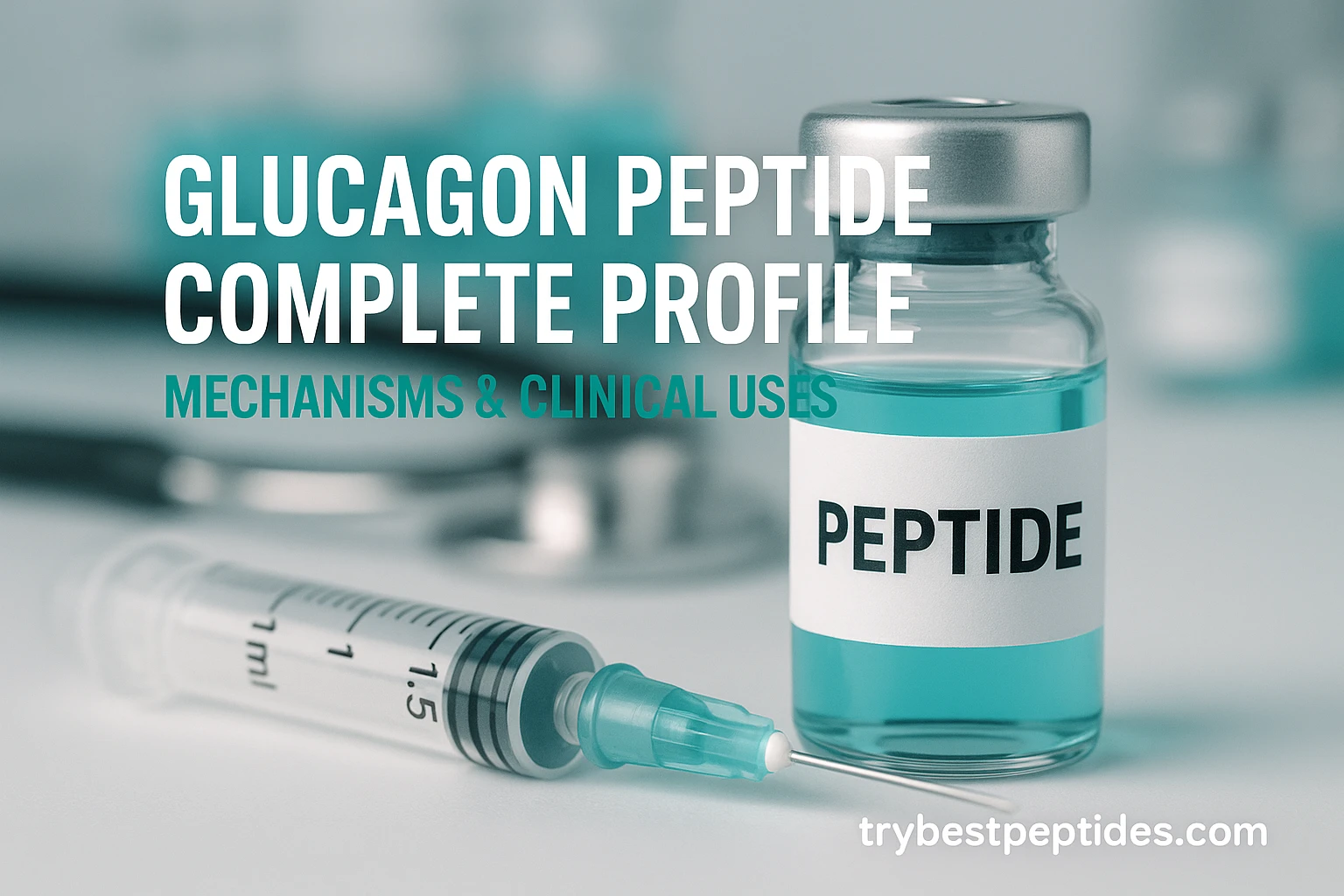
Glucagon stands as the metabolic counterbalance to insulin, playing a crucial role in maintaining blood glucose homeostasis. This 29-amino-acid peptide hormone, produced by pancreatic alpha cells, orchestrates the body's response to low blood sugar by stimulating glucose release from stored reserves. Unlike insulin, which lowers blood glucose levels, glucagon raises them—a complementary mechanism that prevents dangerous hypoglycemia and sustains energy availability between meals. Understanding glucagon's mechanisms, clinical applications, and regulatory status is essential for researchers and healthcare professionals exploring advanced metabolic therapies and glucose management strategies.
What Is Glucagon?
Glucagon is a peptide hormone comprising 29 amino acids that functions as a primary regulator of blood glucose levels. Secreted by alpha cells located within the pancreatic islets (islets of Langerhans), this hormone operates as insulin's physiological antagonist. While insulin facilitates glucose uptake and storage, glucagon triggers the mobilization of stored glucose to maintain stable blood sugar during fasting periods or metabolic stress.
The discovery of glucagon dates back over a century, yet its complexity continues to reveal new therapeutic possibilities. Modern research has identified multiple glucagon receptor variants and downstream signaling pathways that extend beyond simple glucose management. These discoveries have positioned glucagon as a key player in developing next-generation metabolic interventions, particularly in addressing obesity and type 2 diabetes.
Glucagon is synthesized from a larger precursor molecule called proglucagon, which also gives rise to other bioactive peptides including GLP-1 (glucagon-like peptide-1) and GLP-2. This shared origin explains why many contemporary diabetes medications target the glucagon pathway or related peptide systems.
How Glucagon Works: Mechanism of Action
Glucagon exerts its effects through a G-protein coupled receptor mechanism, binding to glucagon receptors located primarily in the liver, but also found in adipose tissue, muscle, and brain regions. Upon binding, the hormone activates intracellular signaling cascades that culminate in glucose production and release.
Primary Metabolic Effects
The primary mechanism involves two hepatic pathways:
Glycogenolysis represents the first line of defense against hypoglycemia. Glucagon stimulates the breakdown of stored glycogen into glucose, which the liver rapidly releases into the bloodstream. This response occurs within minutes, providing immediate blood glucose elevation during fasting or acute energy demand.
Gluconeogenesis becomes the dominant glucose production pathway during prolonged fasting. Glucagon activates metabolic enzymes that convert non-carbohydrate substrates—including amino acids, lactate, and glycerol—into new glucose molecules. This mechanism sustains blood glucose stability over hours of fasting or intense physical activity.
Secondary Metabolic Actions
Beyond glucose regulation, glucagon influences lipid metabolism by promoting lipolysis (fat breakdown) and ketogenesis in hepatic tissue. These effects become particularly relevant during extended fasting periods, when the body shifts toward alternative fuel utilization.
Recent research has also identified glucagon's role in appetite regulation and energy expenditure, suggesting broader metabolic applications beyond glucose homeostasis.
Clinical Applications and Therapeutic Uses
Emergency Hypoglycemia Treatment
The most established clinical application of glucagon is emergency treatment of severe hypoglycemia in diabetic patients. Injectable glucagon rapidly reverses dangerous low blood sugar episodes when oral carbohydrate administration is impractical or impossible. This application remains critical in insulin-dependent diabetes management.
Metabolic Disease Management
Emerging research suggests glucagon plays a role in novel obesity and diabetes therapies. Combination approaches targeting both glucagon and GLP-1 pathways have shown promise in clinical trials, addressing metabolic dysfunction through multiple complementary mechanisms.
Research Applications
Researchers continue investigating glucagon's potential in:
- Type 2 diabetes management
- Weight loss interventions
- Metabolic syndrome treatment
- Post-operative glucose stabilization
- Intensive care metabolic support
The Proglucagon Connection: Understanding Peptide Relationships
Glucagon derives from proglucagon, a precursor peptide that undergoes tissue-specific processing to generate multiple bioactive compounds. This relationship proves significant for understanding contemporary peptide therapeutics.
Different tissues process proglucagon differently. In pancreatic alpha cells, the molecule yields glucagon. In intestinal L-cells, the same precursor generates GLP-1, GLP-2, and oxyntomodulin—each with distinct metabolic functions.
This discovery has revolutionized therapeutic development. Rather than targeting individual peptides, researchers now develop compounds that modulate entire peptide families simultaneously. Dual GLP-1/glucagon agonists and triple agonists (GLP-1/GLP-2/glucagon) represent cutting-edge approaches demonstrating superior metabolic outcomes compared to single-pathway interventions.
Safety Considerations and Side Effect Profile
Known Side Effects
Glucagon administration may produce transient adverse effects, particularly when used as emergency hypoglycemia treatment:
- Nausea and vomiting (common with high-dose injections)
- Headache and general malaise
- Brief elevation of blood glucose (expected therapeutic outcome)
- Transient tachycardia in some patients
- Local injection site reactions
Most side effects resolve spontaneously within hours. The nausea associated with glucagon injection has prompted development of intranasal and subcutaneous formulations designed to minimize this response.
Contraindications and Precautions
Glucagon should be used cautiously in patients with:
- Pheochromocytoma (catecholamine-secreting tumor)
- Insulinoma (insulin-secreting tumor)
- Known glucagon hypersensitivity
- Severe cardiac conditions
Proper patient education and healthcare provider guidance remain essential for safe glucagon utilization, particularly in emergency scenarios.
Regulatory Status and Research Classification
Glucagon maintains FDA approval for emergency hypoglycemia treatment through multiple formulations, including injectable solutions and newer intranasal preparations. Its well-established safety profile and decades of clinical use provide strong regulatory precedent.
For research applications and investigational formulations—particularly combination therapies and novel delivery systems—regulatory pathways vary by jurisdiction. Researchers must comply with applicable regulations and obtain appropriate institutional approvals before conducting glucagon-related studies.
Frequently Asked Questions
How quickly does glucagon work? Injectable glucagon typically raises blood glucose within 5-15 minutes, making it effective for emergency hypoglycemia management.
Can glucagon be used chronically for weight loss? Current research explores chronic glucagon pathway activation for metabolic benefits, but established clinical protocols for weight loss remain limited.
What distinguishes glucagon from GLP-1? While both derive from proglucagon, they activate different receptors and produce distinct metabolic effects. GLP-1 enhances insulin secretion, while glucagon mobilizes stored glucose.
Are there natural ways to stimulate glucagon? Physical activity, fasting, and protein consumption naturally stimulate glucagon secretion through physiological mechanisms.
Bottom Line
Glucagon represents a fundamental metabolic hormone with established clinical applications and emerging therapeutic potential. Its role as insulin's physiological counterpart makes it essential for understanding glucose homeostasis and developing advanced metabolic interventions. The relationship between glucagon and related peptides from the proglucagon precursor has opened new therapeutic avenues, particularly in obesity and type 2 diabetes management.
As research continues advancing our understanding of glucagon signaling pathways and peptide interactions, new therapeutic applications will likely emerge. Healthcare professionals and researchers should remain informed about glucagon's mechanisms, clinical uses, and evolving regulatory landscape to optimize patient outcomes and support evidence-based practice.
Key Takeaways
- Glucagon is a 29-amino-acid peptide hormone produced by pancreatic alpha cells that raises blood glucose through glycogenolysis and gluconeogenesis
- Mechanism involves G-protein coupled receptors that activate intracellular signaling cascades affecting hepatic glucose production
- Primary clinical application remains emergency hypoglycemia treatment with rapid onset of action within 5-15 minutes
- Proglucagon precursor relationship generates multiple bioactive peptides (GLP-1, GLP-2), enabling multi-pathway therapeutic approaches
- Emerging research explores combination therapies targeting glucagon and GLP-1 pathways for enhanced metabolic outcomes
- Safety profile is well-established with manageable side effects primarily related to nausea following injection
- Regulatory status supports clinical use while investigational applications require appropriate institutional oversight
-