Sexual dysfunction affects millions of people worldwide, yet treatment options remain surprisingly limited. Walk into a pharmacy, and you'll encounter the same predictable solutions: Viagra, Cialis, or their generic equivalents. These medications work by increasing blood flow to the genitals—a straightforward mechanical approach that works well for some but falls short for others. What happens when the problem isn't physical plumbing but neurological desire? This is where PT-141, also known as Bremelanotide, enters the conversation. Unlike traditional erectile dysfunction medications, PT-141 takes a fundamentally different approach by targeting the brain's arousal pathways. This comprehensive guide explores the research, mechanisms, and practical implications of this emerging peptide therapy for sexual health.
What Is PT-141?
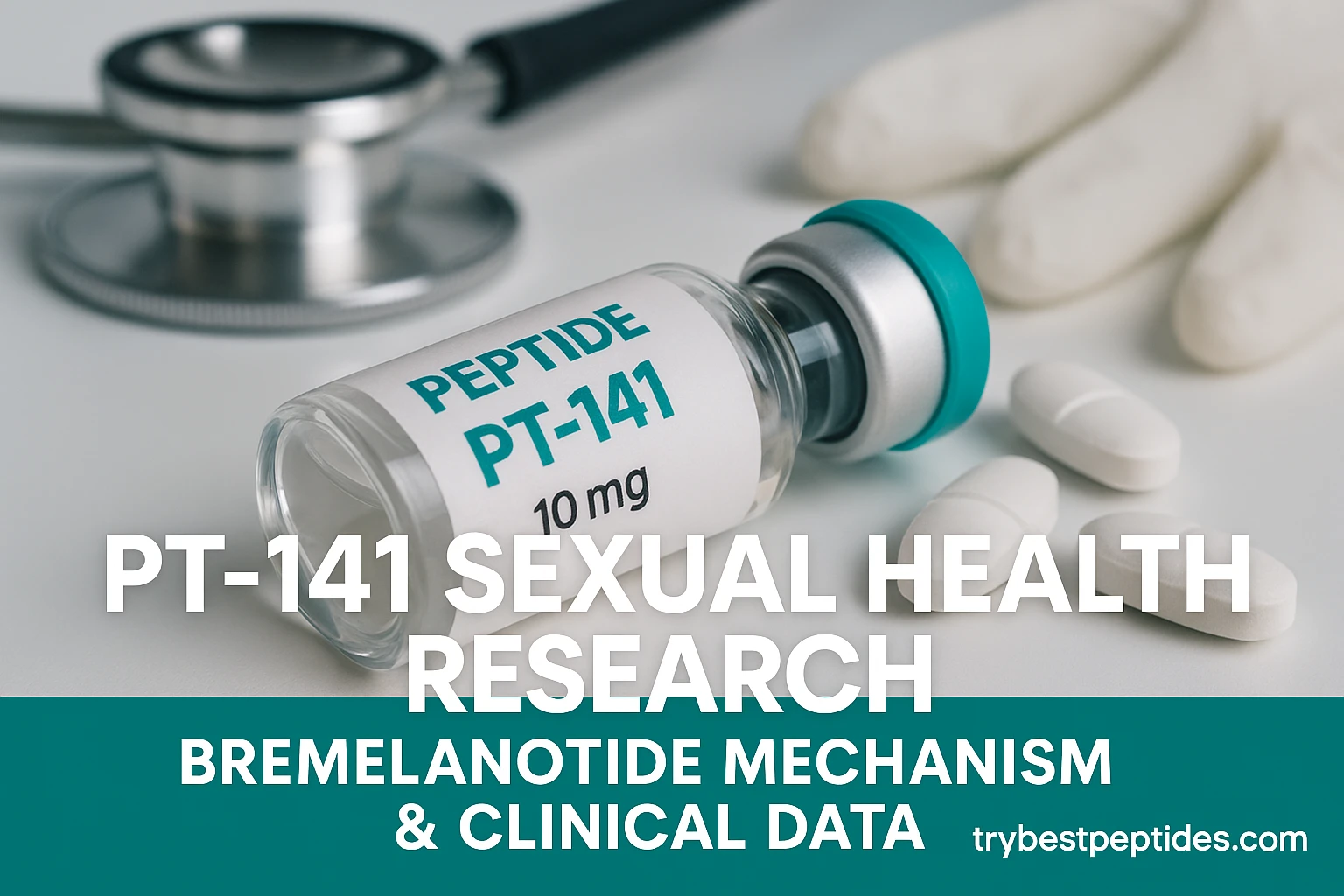
PT-141, chemically known as Bremelanotide, is a synthetic peptide that belongs to the melanocortin receptor agonist class. The peptide was originally developed from research into alpha-melanocyte-stimulating hormone (α-MSH), a naturally occurring compound in the human body involved in appetite regulation and sexual function.
Bremelanotide gained significant attention when it became the first FDA-approved medication specifically designed to treat hypoactive sexual desire disorder (HSDD) in premenopausal women, marketed under the brand name Vyleesi. However, research has extended beyond this initial indication, with scientists investigating its potential applications for both men and women experiencing various forms of sexual dysfunction.
The peptide was developed through decades of research at Arizona State University and subsequently commercialized through multiple pharmaceutical partnerships. Its journey to FDA approval represents a notable shift in how sexual dysfunction is approached—moving from purely vascular mechanisms to neurobiological ones.
Mechanism of Action
PT-141 operates through a distinctly different pathway than conventional sexual dysfunction treatments. Rather than enhancing blood flow, Bremelanotide works as a melanocortin-4 receptor (MC4R) agonist, directly stimulating neural pathways associated with sexual arousal in the brain.
How Melanocortin Receptors Work
The melanocortin system is distributed throughout the central and peripheral nervous systems. When PT-141 binds to MC4R receptors in the hypothalamus and other brain regions, it triggers a cascade of neurochemical events that promote sexual motivation and arousal. This mechanism fundamentally differs from phosphodiesterase type 5 (PDE5) inhibitors like sildenafil, which focus on peripheral vascular effects.
Brain-Based Sexual Response
Research demonstrates that sexual arousal involves complex interplay between multiple neurotransmitter systems. PT-141 influences dopamine and other neurotransmitters involved in motivation and pleasure, essentially addressing the "central" component of sexual function rather than just the "peripheral" one. This distinction is crucial for individuals whose sexual dysfunction stems from neurological rather than vascular causes.
Clinical Research and Evidence
The clinical evidence supporting PT-141 is substantial, particularly following its FDA approval in 2019 for HSDD treatment in women.
Female Sexual Dysfunction Studies
Multiple randomized controlled trials demonstrated PT-141's efficacy in treating hypoactive sexual desire disorder. The RECONNECT trials, which included over 1,000 women across various sites, showed that women receiving Bremelanotide experienced statistically significant improvements in sexual desire and satisfaction compared to placebo groups. Importantly, these improvements persisted across diverse age groups and relationship statuses.
Male Sexual Dysfunction Research
While FDA approval for HSDD was female-focused, ongoing research explores PT-141's potential in male sexual dysfunction. Studies suggest the peptide may benefit men with low sexual desire, erectile dysfunction, and orgasmic disorders. Some research indicates potential synergistic effects when combined with traditional ED medications, though this requires further investigation.
Onset and Duration
Clinical data shows that PT-141 typically begins working within 15-30 minutes of administration, with peak effects occurring around one hour post-injection. The effects generally persist for several hours, with complete clearance from the system within 24 hours.
Pharmacokinetics and Administration
Understanding how PT-141 is processed and administered is essential for informed discussion about its use.
Delivery Methods
Currently approved Bremelanotide (Vyleesi) is administered as a subcutaneous injection using a prefilled autoinjector. Users self-administer the dose approximately 45 minutes before anticipated sexual activity. The subcutaneous route was chosen for optimal bioavailability and consistent absorption.
Dosing Protocols
The FDA-approved dose for women is 1.75 mg, administered as a single subcutaneous injection. Men participating in research studies have used similar or slightly varied dosing regimens. Importantly, PT-141 is designed for on-demand use rather than daily administration, distinguishing it from many other sexual dysfunction treatments.
Bioavailability and Clearance
The peptide demonstrates relatively rapid absorption and metabolism. It doesn't accumulate in the body, making it suitable for occasional or situational use. This pharmacokinetic profile contributes to its safety profile, as there's minimal risk of chronic accumulation-related toxicity.
PT-141 vs. Traditional PDE5 Inhibitors
Comparing PT-141 with established treatments like Viagra and Cialis reveals important distinctions in mechanism, efficacy, and appropriate use cases.
| Aspect | PT-141 | PDE5 Inhibitors |
|---|---|---|
| Primary Mechanism | Central (brain-based arousal) | Peripheral (blood flow) |
| Target Population | Low sexual desire, HSDD | Erectile dysfunction |
| Onset Time | 15-30 minutes | 30-60 minutes |
| Requires Sexual Stimulation | May work without physical stimulation | Requires sexual stimulation |
| Cardiovascular Considerations | Fewer interactions | Multiple drug interactions |
PT-141 addresses a gap in sexual dysfunction treatment. Many individuals taking PDE5 inhibitors without improvement often have desire-based rather than function-based problems. Conversely, individuals with purely mechanical erectile issues may find traditional medications more straightforward.
Off-Label Use and Research Frontiers
Beyond FDA-approved applications, researchers continue investigating PT-141 for various indications.
Erectile Dysfunction in Men
While not formally approved for male ED, clinical observations and preliminary research suggest PT-141 may enhance sexual function in men, particularly those with low libido or mixed-type dysfunction. Some studies indicate it may work synergistically with PDE5 inhibitors when traditional medications alone prove insufficient.
Sexual Dysfunction Related to Medications
A significant proportion of sexual dysfunction results from medications like SSRIs and antipsychotics that interfere with dopamine signaling. PT-141's mechanism suggests potential benefits for medication-induced sexual dysfunction, though rigorous clinical trials in this population remain limited.
Menopausal Sexual Dysfunction
Beyond HSDD, research explores PT-141's role in sexual dysfunction accompanying menopause, which often involves both hormonal and neurological components.
Safety Profile and Side Effects
Clinical trials and post-market surveillance have established a generally favorable safety profile for PT-141, though side effects do occur.
Common Adverse Effects
- Nausea (reported in approximately 20-30% of users)
- Flushing and facial redness
- Headache
- Darkening or changes in skin pigmentation
- Local reactions at injection sites (pain, bruising, erythema)
Serious Adverse Events
Serious adverse events remain uncommon. The clinical trials demonstrated no significant increases in cardiovascular events, serious infections, or other organ toxicity. However, individuals with uncontrolled hypertension or certain cardiovascular conditions should exercise caution.
Contraindications
PT-141 is contraindicated or requires careful consideration in individuals with: - Uncontrolled hypertension - History of melanoma or suspicious skin lesions - Hepatic or renal impairment - Active cardiovascular disease
Legal Status and Availability
PT-141's legal status varies significantly by jurisdiction, reflecting different regulatory frameworks and approval processes.
FDA Approval Status
Bremelanotide (Vyleesi) received FDA approval in June 2019 for premenopausal women with HSDD. This represents the first and only FDA-approved melanocortin receptor agonist for sexual dysfunction, marking a significant regulatory milestone.
Global Regulatory Landscape
Approval status varies internationally. Some countries have approved Bremelanotide through their own regulatory pathways, while others remain in review phases or have not approved the medication for any indication.
Research and Clinical Trial Access
Individuals interested in PT-141 for non-FDA-approved indications may have access through clinical research trials or compassionate use programs in some jurisdictions. Consulting healthcare providers about available options is essential.
Frequently Asked Questions
How quickly does PT-141 work? Most users report effects within 15-30 minutes, with peak effects around one hour post-injection.
Can PT-141 be used daily? PT-141 is designed for on-demand use. Daily use hasn't been extensively studied and isn't recommended without medical supervision.
Does PT-141 work without sexual stimulation? Unlike PDE5 inhibitors, PT-141 can promote arousal independent of physical stimulation, though sexual stimulation may enhance effects.
Are there long-term safety concerns? Current evidence suggests good long-term safety, but long-term studies beyond several years remain limited.
Can women and men both use PT-141? While only approved for women, research indicates potential benefits for men. Medical supervision is essential for off-label use.
The Bottom Line
PT-141 represents a paradigm shift in sexual dysfunction treatment, addressing neurobiological rather than purely vascular mechanisms. Its FDA approval for female HSDD validates decades of research into the melanocortin system's role in sexual arousal. The peptide's on-demand administration, favorable safety profile, and unique mechanism make it a valuable addition to the sexual health treatment landscape.
However, PT-141 isn't universally appropriate or necessary. Individuals experiencing sexual dysfunction benefit from comprehensive evaluation to determine whether desire-based, function-based, or relationship-based factors predominate. A qualified healthcare provider can help determine whether PT-141, traditional medications, or other interventions best suit individual circumstances.
As research continues, PT-141's applications may expand beyond current FDA approvals. Emerging evidence suggests potential benefits for medication-induced sexual dysfunction, male erectile dysfunction, and menopausal sexual health—areas representing significant unmet clinical needs. The peptide's development exemplifies how deeper understanding of sexual neurobiology can translate into innovative therapeutic options.
Key Takeaways
- PT-141 (Bremelanotide) is an FDA-approved peptide that targets brain-based sexual arousal mechanisms through melanocortin-4 receptor agonism
- Distinct mechanism: Unlike Viagra or Cialis, PT-141 stimulates central nervous system arousal pathways rather than enhancing peripheral blood flow
- Clinical efficacy: Multiple randomized controlled trials demonstrated significant improvements in sexual desire and satisfaction, particularly for women with HSDD
- Rapid onset: Effects typically begin within 15-30 minutes of subcutaneous injection, with peak effects around one hour
- Safety profile: Generally well-tolerated with manageable side effects; nausea is most common (20-30% of users)
- On-demand use: Designed for situational administration, not daily use, with no accumulation in the body
- Research frontiers: Ongoing studies explore applications beyond FDA-approved indications, including male dysfunction and medication-induced sexual problems
- Regulatory status: FDA-approved for female HSDD; availability and approval status vary internationally
-