For decades, the pursuit of a golden tan has driven individuals to expose themselves to harmful UV radiation through sunbathing and tanning beds—practices scientifically linked to elevated skin cancer risk. The cosmetic desire for bronzed skin has prompted researchers and pharmaceutical companies to explore alternative solutions, leading to the development of synthetic peptides designed to stimulate melanin production without sun exposure. Melanotan II represents one of the most controversial yet studied compounds in this field, triggering intense scientific debate regarding its efficacy, safety profile, and regulatory implications. This comprehensive guide examines the research evidence surrounding Melanotan II, explores its mechanisms of action, and addresses critical safety concerns that both researchers and potential users must understand before considering its use.
What Is Melanotan II?
Melanotan II, often abbreviated as MT-II, is a synthetic analog of alpha-melanocyte-stimulating hormone (α-MSH). This peptide compound was originally developed in the 1980s by researchers at the University of Arizona with the intention of providing a safer alternative to UV-induced tanning and potentially preventing skin cancer.
The peptide works by mimicking natural signaling pathways in the body that regulate skin pigmentation. Rather than requiring exposure to damaging ultraviolet rays, Melanotan II theoretically activates melanin production through biochemical mechanisms, producing a tan-like appearance through systemic administration.
It's crucial to understand that Melanotan II remains an investigational compound. Regulatory agencies worldwide, including the FDA, have not approved it for human use. Despite this status, the peptide circulates in underground markets and research chemical suppliers, often marketed to bodybuilders, fitness enthusiasts, and individuals seeking tanning solutions without traditional sun exposure.
Development History and Scientific Origins
The journey of Melanotan II began in the 1980s at the University of Arizona, where researchers sought to develop a pharmaceutical intervention that could stimulate melanin production and potentially reduce skin cancer incidence in susceptible populations. The initial research demonstrated that α-MSH could trigger melanogenesis—the biological process of melanin synthesis.
Following this discovery, scientists synthesized Melanotan II as a more stable, longer-acting variant of the natural hormone. Early clinical investigations suggested potential applications beyond cosmetic tanning, including treatment for sexual dysfunction and certain dermatological conditions.
However, as further research accumulated, concerns regarding the peptide's safety profile emerged. Several adverse events reported during informal use prompted regulatory scrutiny and significantly limited official research programs. The compound never progressed through complete FDA approval pathways and remains classified as a research chemical rather than an approved therapeutic agent.
Mechanism of Action: How Melanotan II Functions
Understanding how Melanotan II operates at the biochemical level is essential for appreciating both its proposed benefits and inherent risks. The peptide functions as a melanocortin-1 receptor (MC1R) agonist.
The Melanin Production Pathway
When administered, Melanotan II crosses the blood-brain barrier and binds to melanocortin receptors distributed throughout the body. This receptor binding triggers intracellular signaling cascades that stimulate melanocytes—specialized skin cells responsible for producing melanin pigment.
The melanin synthesis process accelerates, resulting in increased skin pigmentation. This occurs independently of UV exposure, theoretically eliminating the carcinogenic effects of solar radiation while maintaining the cosmetic appearance of a tan.
Systemic Effects Beyond Pigmentation
Critically, melanocortin receptors exist throughout multiple organ systems, not solely in the skin. This widespread distribution creates the potential for effects extending far beyond melanin production, affecting cardiovascular function, sexual arousal, appetite regulation, and immune responses.
Research Evidence and Current Scientific Understanding
Scientific literature examining Melanotan II remains limited compared to established pharmaceutical compounds. Most published research consists of small-scale studies, animal models, and case reports rather than large randomized controlled trials.
Efficacy Studies
Available research indicates that Melanotan II does stimulate melanin production and produces visible tanning effects in subjects. Participants in limited clinical trials demonstrated increased skin pigmentation within days to weeks of administration. However, the consistency and duration of these effects vary considerably among individuals.
Sexual Function Research
Interestingly, some research has explored Melanotan II's effects on sexual arousal, given its action on melanocortin pathways implicated in sexual motivation. Early studies suggested potential benefits for erectile dysfunction, leading to the development of PT-141, a related peptide with a more targeted mechanism.
However, these findings require substantial additional validation, and potential adverse effects observed in many users suggest caution regarding clinical applications.
Risks and Safety Concerns
The safety profile of Melanotan II represents perhaps the most critical consideration. Multiple serious adverse events have been documented in informal use and limited research settings.
Cardiovascular Complications
Concerns regarding blood pressure elevation and cardiovascular effects represent among the most serious documented risks. Several case reports describe hypertensive crises, palpitations, and arrhythmias in individuals using Melanotan II. These effects likely result from melanocortin receptor activation in cardiovascular regulatory centers.
Pigmentation-Related Risks
Excessive or uneven melanin production can occur, resulting in darkening of existing moles or development of new pigmented lesions. Some users have reported concerning changes in mole appearance that warranted medical evaluation for potential malignancy. This irony—that a compound intended to prevent skin cancer may paradoxically increase melanoma risk through dysregulated pigmentation—underscores the complexity of melanocortin pathway modulation.
Gastrointestinal and Systemic Effects
Nausea, vomiting, and facial flushing have been frequently reported in users. Appetite suppression occurs in some individuals, potentially leading to nutritional deficiencies with extended use.
Injection-Site Reactions
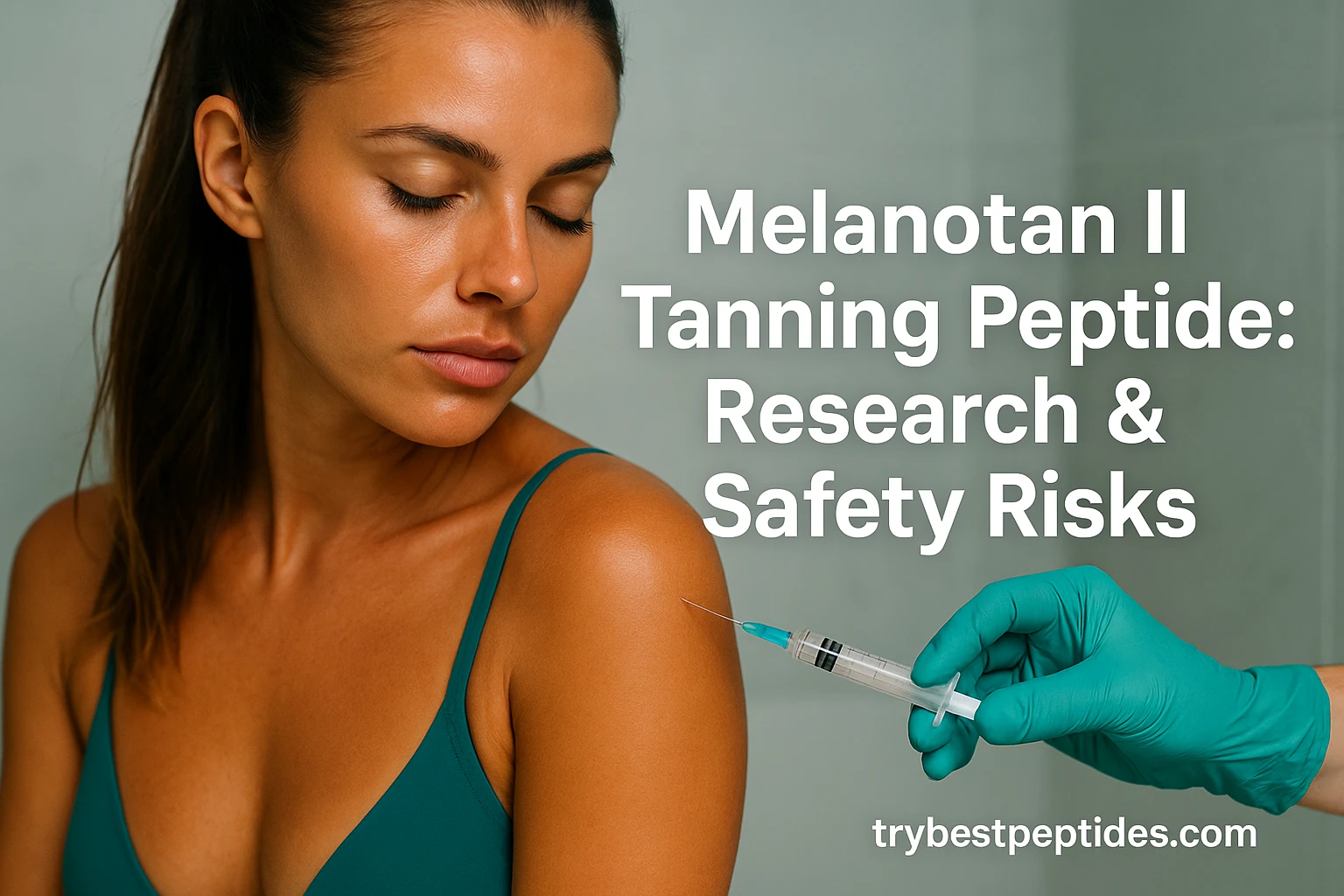
As an administered peptide, Melanotan II requires subcutaneous or intramuscular injection. Injection-site complications including pain, inflammation, and potential infection remain consistent concerns.
Psychological Effects
Some users report mood alterations, anxiety, or other neuropsychiatric effects potentially attributable to melanocortin pathway activation in central nervous system regions involved in mood regulation.
Legal Status Worldwide
Melanotan II occupies a complex legal landscape varying significantly by jurisdiction:
- United States: The FDA has not approved Melanotan II for any indication. It remains classified as an unapproved drug and investigational compound.
- European Union: Similarly unregulated and unapproved for human use across member states.
- Australia: Banned for cosmetic use; strictly controlled for research purposes only.
- United Kingdom: Available through underground suppliers but officially prohibited for human consumption.
Despite these prohibitions, illicit online suppliers continue offering Melanotan II, often with questionable quality control and purity standards. This regulatory vacuum creates substantial consumer risk.
Melanotan II vs Melanotan I: Key Differences
While Melanotan I and Melanotan II both stimulate melanin production, important distinctions exist:
Melanotan I demonstrates more selective action on MC1R receptors with less systemic activity. Early research suggested potentially superior safety profiles compared to Melanotan II.
Melanotan II exhibits broader melanocortin receptor activation, producing more potent effects but correspondingly greater risk for off-target systemic complications.
Neither compound has achieved regulatory approval for human use.
From Melanotan II to PT-141: The Evolution
PT-141 (bremelanotide) represents a later-generation melanocortin agonist derived from Melanotan II research. This compound received FDA approval for female sexual arousal disorder, representing the first—and to date only—approved melanocortin-based therapeutic.
PT-141's development demonstrates how preclinical research on Melanotan II contributed to legitimate pharmaceutical advancement, despite Melanotan II itself never achieving approval.
Frequently Asked Questions
Is Melanotan II safe for cosmetic use?
No. Melanotan II remains an unapproved, investigational compound with documented serious adverse effects. Regulatory agencies worldwide recommend against its use.
How quickly does Melanotan II produce tanning effects?
Users report visible pigmentation changes within 3-7 days of beginning administration, with continued deepening over weeks.
Can Melanotan II completely replace sun exposure for tanning?
While it can produce tanning appearance without UV exposure, this represents its only potential advantage. The risks far outweigh this cosmetic benefit.
What is the legal consequence of possessing Melanotan II?
Legal consequences vary by jurisdiction but typically include criminal charges for drug possession or trafficking in controlled substances.
The Bottom Line
Melanotan II represents a case study in the complexities of peptide research and pharmaceutical development. While the initial concept of achieving tanning without UV exposure holds theoretical appeal, the compound's safety profile proves fundamentally problematic.
The widespread distribution of melanocortin receptors throughout multiple organ systems creates unavoidable risks extending far beyond skin pigmentation. Documented cardiovascular complications, dysregulated pigmentation changes, and systemic effects render Melanotan II unsuitable for cosmetic applications.
Safer alternatives exist, including spray tans, self-tanning lotions, and legitimate medical dermatological treatments. Individuals concerned about skin cancer risk should consult healthcare providers regarding evidence-based prevention strategies rather than pursuing unproven, dangerous, and illegal compounds.
The scientific community continues monitoring Melanotan II research and related compounds, with the goal of understanding melanocortin biology more thoroughly. However, current evidence clearly indicates that Melanotan II should remain confined to carefully controlled research settings, not casual cosmetic use.
Key Takeaways
- Melanotan II is an unapproved investigational peptide that stimulates melanin production through melanocortin receptor activation, but lacks regulatory approval worldwide
- Serious safety risks are documented, including cardiovascular complications, dysregulated pigmentation, and systemic effects from off-target receptor activation
- Multiple organ systems are affected due to widespread melanocortin receptor distribution, creating unpredictable adverse effects beyond skin tanning
- Legal status is prohibitive in virtually all jurisdictions, with possession and distribution constituting serious criminal offenses
- Safer, evidence-based alternatives exist for sun protection and cosmetic tanning that do not carry the risks associated with Melanotan II