Before semaglutide revolutionized the weight loss and diabetes treatment landscape, dulaglutide held the crown as the world's best-selling GLP-1 receptor agonist. Developed and marketed by Eli Lilly under the brand name Trulicity, this injectable medication dominated the market with peak annual revenues of $7.4 billion in 2022. As a once-weekly GLP-1 agonist, dulaglutide transformed diabetes management by offering convenient dosing compared to its daily counterparts. This comprehensive guide examines the mechanisms, clinical evidence, administration protocols, and regulatory status of dulaglutide, providing researchers and clinicians with essential information about this significant therapeutic agent.
What Is Dulaglutide?
Dulaglutide is a recombinant human glucagon-like peptide-1 (GLP-1) receptor agonist developed through sophisticated peptide engineering. Unlike earlier GLP-1 therapies that required daily administration, dulaglutide was designed as a long-acting formulation suitable for once-weekly injection. The molecule consists of a GLP-1 peptide fused to a human immunoglobulin G4 (IgG4) Fc fragment, which extends its half-life in circulation and improves therapeutic convenience.
The medication operates primarily through activation of GLP-1 receptors in the pancreas, brain, and gastrointestinal tract. This mechanism stimulates insulin secretion in response to glucose, suppresses glucagon release when blood glucose is low, and promotes satiety through central nervous system pathways. Dulaglutide is administered via subcutaneous injection in doses ranging from 0.75 mg to 4.5 mg weekly, with the most common therapeutic doses being 1.5 mg and 3 mg per week.
Development History and Market Evolution
Dulaglutide emerged from Eli Lilly's extensive research into sustained-release GLP-1 therapies, building upon decades of peptide drug development expertise. The compound underwent rigorous preclinical and clinical testing before receiving FDA approval in September 2014 for the management of type 2 diabetes. Initial marketing focused on the convenience advantage—once-weekly dosing versus the daily injections required by exenatide and liraglutide.
The medication quickly captured significant market share among GLP-1 therapies. By 2022, Trulicity generated $7.4 billion in annual revenue, representing the peak commercial performance of this agent. However, the landscape shifted dramatically with the emergence of semaglutide (Ozempic, Wegovy) and other novel formulations. Despite intensifying competition, dulaglutide remains an established treatment option with substantial clinical adoption and ongoing research into expanded applications.
How Dulaglutide Works: Mechanisms of Action
Understanding dulaglutide's therapeutic effects requires examining its interaction with GLP-1 receptors across multiple physiological systems. The mechanism operates through several coordinated pathways:
Pancreatic Effects
Dulaglutide binding to GLP-1 receptors on pancreatic beta cells enhances insulin secretion in a glucose-dependent manner. This specificity means insulin release occurs primarily when blood glucose is elevated, reducing hypoglycemia risk compared to other insulin secretagogues. Simultaneously, the drug inhibits glucagon secretion from alpha cells when glucose levels are excessive, creating a balanced glycemic response.
Gastrointestinal Actions
The medication delays gastric emptying, which slows nutrient absorption and prolongs satiety signals. This effect contributes substantially to weight loss in treated patients by reducing overall caloric intake and meal frequency. The delayed gastric emptying also moderates postprandial glucose spikes, improving overall glycemic control.
Central Nervous System Effects
GLP-1 receptors in the hypothalamus and other brain regions regulate appetite and energy expenditure. Dulaglutide activation of these receptors reduces hunger signaling and increases perception of fullness, reinforcing the appetite-suppressing effects from gastric mechanisms. This central action explains why many patients experience sustained weight loss beyond what gastric emptying alone would produce.
Clinical Research and Efficacy
Dulaglutide's therapeutic profile has been extensively documented through multiple randomized controlled trials and real-world observational studies. Clinical research demonstrates consistent efficacy across diverse patient populations and treatment scenarios.
The AWARD trial series (Assessment of Weekly AdministRation of LY2189265) provided crucial evidence of dulaglutide's diabetes management capabilities. These trials demonstrated that weekly injections of dulaglutide achieved hemoglobin A1C reductions ranging from 1.3% to 1.8% compared to placebo, with improvements comparable to or exceeding daily GLP-1 therapies. Weight loss averaged 2-3 kg in most studies, though individual responses varied considerably.
Comparative effectiveness research indicates dulaglutide performs similarly to other GLP-1 agonists regarding glycemic control but may offer modest advantages in convenience due to once-weekly dosing. Recent studies have explored dulaglutide's potential in cardiovascular protection, with evidence suggesting benefits for patients with established coronary artery disease, though additional research continues in this area.
Administration and Dosing Guidelines
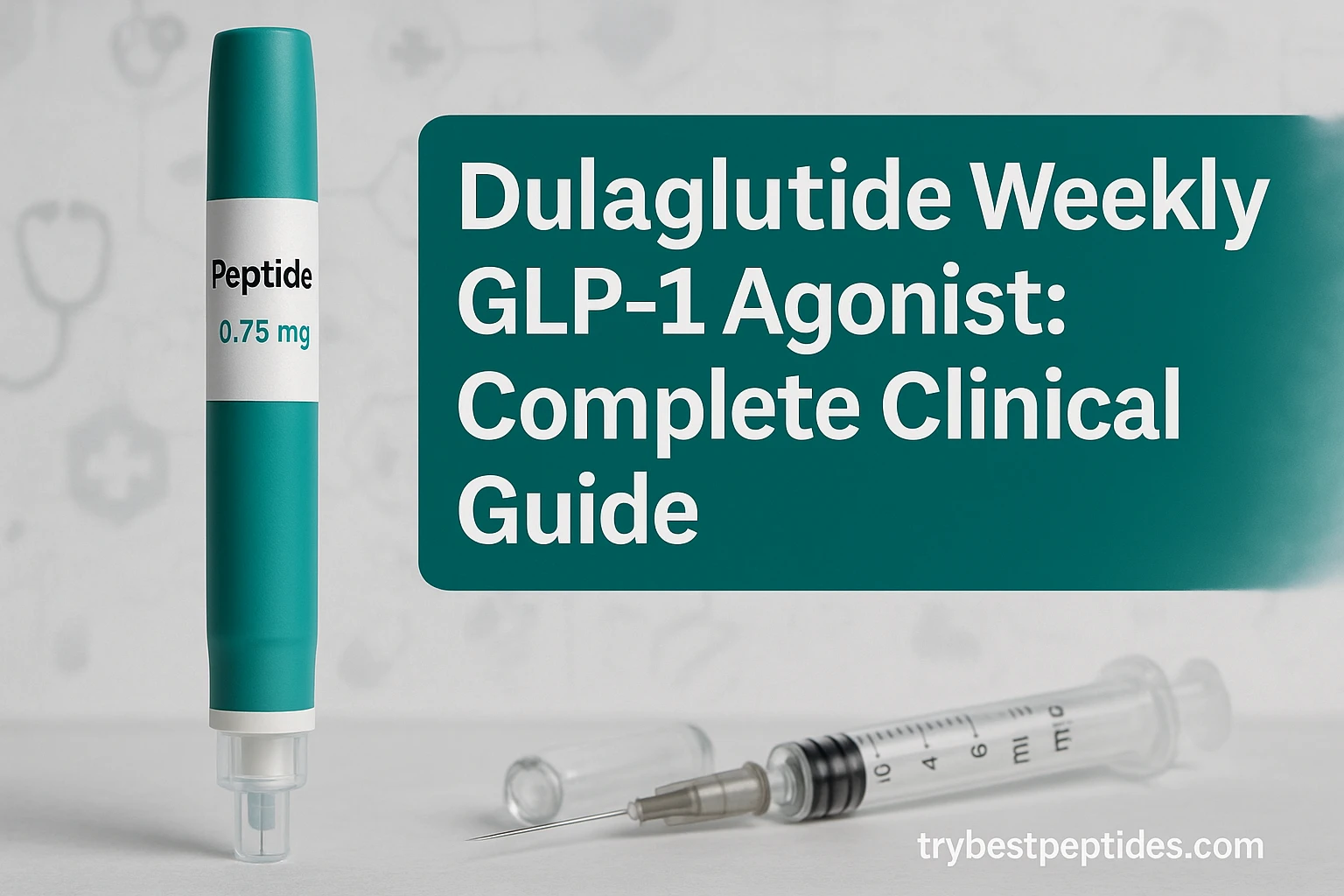
Proper administration technique and dose selection are essential for optimizing dulaglutide therapy outcomes. The medication is supplied as a pre-filled single-dose pen or pen cartridge system designed for patient self-injection.
Standard dosing protocol: - Starting dose: 0.75 mg once weekly - Maintenance dose: typically increased to 1.5 mg once weekly based on glycemic response - Maximum approved dose: 4.5 mg once weekly (available in some regions)
Injection technique involves subcutaneous administration into the abdomen, thigh, or upper arm. Patients should rotate injection sites to minimize lipodystrophy and ensure consistent absorption. The medication should be stored refrigerated at 36-46°F until use, though several manufacturers have developed room-temperature stable formulations.
Dose adjustments are generally made based on individual glycemic targets and tolerability. Dulaglutide does not require dose adjustment for renal or hepatic impairment, though caution is warranted in patients with severe kidney disease due to potential GLP-1 agonist effects on glomerular filtration rate.
Safety Profile and Side Effects
Dulaglutide demonstrates a manageable safety profile, though awareness of potential adverse effects is important for clinical decision-making.
Common side effects include nausea, vomiting, and gastrointestinal disturbances, particularly during dose escalation. These effects typically diminish over 2-4 weeks as patients develop tolerance. Injection site reactions are generally mild and self-limiting.
Serious adverse effects to monitor include acute pancreatitis (rare but potentially severe), diabetic retinopathy complications in patients with pre-existing vision loss, and gallbladder disease. GLP-1 agonists carry a black box warning regarding thyroid C-cell tumors based on rodent studies, though clinical significance in humans remains unclear.
Dulaglutide is contraindicated in patients with personal or family history of medullary thyroid carcinoma or multiple endocrine neoplasia type 2. Careful monitoring is recommended in patients with severe gastrointestinal disease or significant renal impairment.
Legal and Regulatory Status
Dulaglutide holds FDA approval for type 2 diabetes management with an indication for cardiovascular risk reduction in patients with established cardiovascular disease. The medication is classified as a prescription drug requiring medical supervision. Most insurance plans cover dulaglutide for approved indications, though prior authorization requirements vary.
Regulatory status differs internationally, with dulaglutide approved in the European Union, Canada, Australia, and numerous other countries. The regulatory pathway specifically approves Trulicity for diabetes treatment; off-label use for weight management remains controversial and requires careful physician discretion regarding patient selection and monitoring.
Frequently Asked Questions
How does dulaglutide compare to semaglutide? Both are GLP-1 agonists with similar mechanisms, but dulaglutide uses weekly dosing while semaglutide is also dosed weekly. Semaglutide generally produces greater weight loss and A1C reduction, but dulaglutide remains effective and may suit patients preferring alternative administration options.
Can dulaglutide cause weight loss in non-diabetic individuals? While dulaglutide can produce weight loss through GLP-1 receptor activation, it is not FDA-approved for this indication. Use in non-diabetic individuals represents off-label application requiring careful clinical justification.
What happens if a dose is missed? Patients should inject the missed dose as soon as remembered if within 3 days. If longer than 3 days have elapsed, the missed dose should be skipped and the regular schedule resumed.
Are there interactions with other medications? Dulaglutide may interact with medications affecting gastric function and potentially oral hypoglycemic agents, requiring dose adjustments in some cases.
The Bottom Line
Dulaglutide represents a significant advancement in GLP-1 receptor agonist therapy, providing once-weekly dosing convenience for type 2 diabetes management. While newer agents like semaglutide have captured media attention and market share, dulaglutide remains a clinically important option with established efficacy, manageable safety profile, and substantial research support. The medication's long-acting formulation addresses a critical need for patients seeking alternatives to daily injections, though individual patient factors should guide treatment selection. Ongoing research continues exploring expanded applications and comparative effectiveness against emerging therapies.
Key Takeaways
- Dulaglutide is a once-weekly GLP-1 receptor agonist developed by Eli Lilly and marketed as Trulicity, offering convenience advantages over daily GLP-1 therapies
- The mechanism involves pancreatic insulin stimulation, glucagon suppression, delayed gastric emptying, and central appetite regulation for comprehensive glycemic control and weight loss
- Clinical trials demonstrate A1C reductions of 1.3-1.8% and weight loss of 2-3 kg, comparable to other GLP-1 agonists with a well-established safety profile
- Standard dosing begins at 0.75 mg weekly and typically escalates to 1.5 mg maintenance dose based on individual glycemic targets and tolerability
- Common side effects include nausea and gastrointestinal symptoms, typically self-limiting within 2-4 weeks, while serious adverse effects remain rare
- FDA approval covers type 2 diabetes with cardiovascular risk reduction, while off-label weight management use requires careful clinical judgment and patient selection
-