In 1992, endocrinologist John Eng made a groundbreaking discovery at the Veterans Affairs Medical Center in the Bronx while studying the venom of a Gila monster (Heloderma suspectum). He isolated a peptide that would fundamentally transform diabetes treatment and open new therapeutic possibilities in metabolic disease management. This discovery led to the development of exenatide, the first-generation GLP-1 receptor agonist that revolutionized how clinicians approach type 2 diabetes care. Today, exenatide remains a cornerstone medication in endocrinology, with decades of clinical evidence supporting its efficacy and safety profile. Understanding this peptide's mechanisms, development history, and clinical applications is essential for anyone researching modern diabetes therapeutics.
What Is Exenatide?
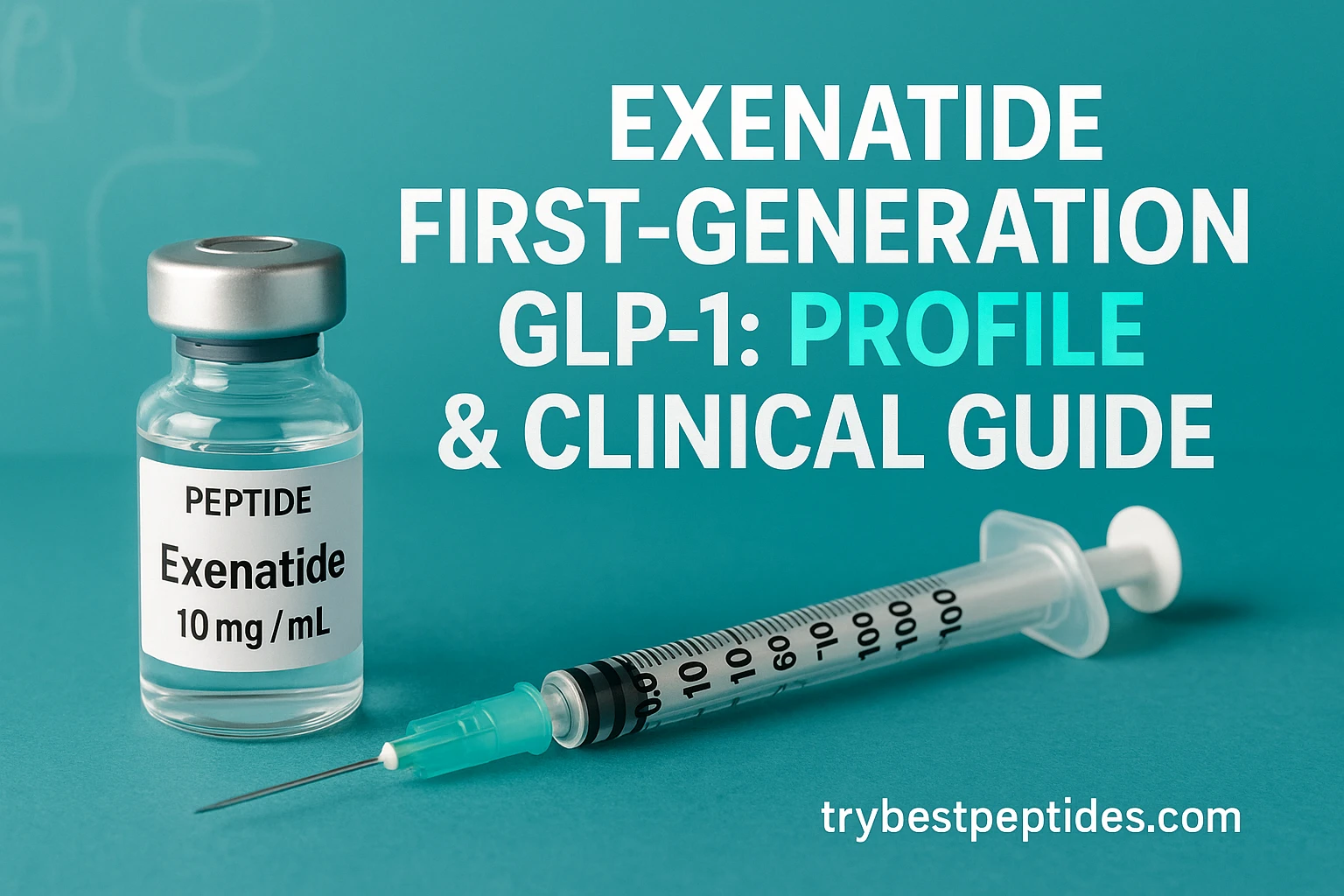
Exenatide is a synthetic peptide that mimics glucagon-like peptide-1 (GLP-1), a naturally occurring hormone that regulates blood glucose levels. As a first-generation GLP-1 receptor agonist, it represents one of the most significant pharmacological innovations in diabetes care. The drug is administered via subcutaneous injection and works by activating GLP-1 receptors throughout the body, triggering a cascade of physiological responses that lower blood sugar.
The peptide consists of 39 amino acids and demonstrates remarkable structural similarity to GLP-1 found in reptilian venom—a serendipitous discovery that highlights nature's contribution to modern medicine. Exenatide was first approved by the FDA in 2005 under the brand name Byetta, marking a paradigm shift in non-insulin diabetes treatment. Unlike older antidiabetic agents, exenatide combines glucose-dependent insulinotropic effects with weight loss benefits, making it particularly valuable for patients struggling with obesity and type 2 diabetes comorbidity.
Development History: From Gila Monster Venom to Clinical Success
The journey of exenatide from laboratory discovery to clinical application spans multiple decades of rigorous research and development. John Eng's initial isolation of the peptide from Gila monster venom demonstrated an unexpected pharmacological property—the ability to regulate blood glucose in ways that complemented existing diabetes therapies.
The Research Path
Following Eng's discovery, pharmaceutical companies recognized the therapeutic potential of this natural compound. Researchers synthesized exenatide in the laboratory, creating a stable, injectable form suitable for human use. Extensive preclinical studies demonstrated that the peptide maintained bioactivity in humans while exhibiting favorable pharmacokinetic properties.
Clinical Trials and FDA Approval
Throughout the late 1990s and early 2000s, exenatide underwent comprehensive clinical trials involving thousands of patients with type 2 diabetes. These studies consistently demonstrated superior glycemic control compared to traditional antidiabetic agents. Notably, patients experienced significant weight reduction—an unexpected benefit that distinguished exenatide from other GLP-1 agonists and solidified its clinical importance.
The FDA granted approval in April 2005, and exenatide quickly became a preferred treatment option for clinicians seeking alternatives to insulin therapy. This approval represented validation of nature-inspired drug discovery and demonstrated the potential of peptide-based therapeutics in mainstream medicine.
How Exenatide Works: Mechanisms of Action
Exenatide's therapeutic efficacy stems from its interaction with GLP-1 receptors distributed throughout the pancreas, gastrointestinal tract, and central nervous system. Understanding these mechanisms elucidates why this peptide remains clinically valuable nearly two decades after FDA approval.
Insulin Secretion
The primary mechanism involves stimulation of pancreatic beta cells to release insulin in response to elevated blood glucose levels. Importantly, this insulinotropic effect is glucose-dependent, meaning insulin secretion occurs only when blood sugar is elevated. This characteristic significantly reduces hypoglycemia risk compared to insulin therapy or sulfonylureas.
Glucagon Suppression
Exenatide simultaneously inhibits glucagon secretion from pancreatic alpha cells when blood glucose is high. Since glucagon normally stimulates hepatic glucose production, suppressing its release prevents inappropriate glucose release from the liver, further contributing to glycemic control.
Gastric Emptying
The peptide slows gastric emptying—the rate at which food moves from the stomach into the small intestine. This delayed gastric transit prolongs nutrient absorption, attenuating postprandial blood glucose spikes and promoting satiety, which naturally reduces caloric intake and facilitates weight loss.
Satiety and Appetite Regulation
Exenatide activates GLP-1 receptors in the hypothalamus, triggering satiety signals that reduce appetite and food-seeking behavior. This central nervous system effect, combined with delayed gastric emptying, creates a powerful weight loss mechanism independent of intentional dietary restriction.
Clinical Research and Efficacy Evidence
Decades of clinical research have established exenatide's efficacy in improving glycemic control and promoting weight loss in patients with type 2 diabetes. Large randomized controlled trials demonstrate consistent benefits across diverse patient populations.
Glycemic Control Outcomes
Clinical studies show that exenatide monotherapy reduces hemoglobin A1C (HbA1c) by approximately 1.0–1.5% from baseline, comparable to many conventional antidiabetic agents. When combined with metformin or sulfonylureas, additional reductions of 0.5–1.0% are typically observed, making combination therapy particularly effective for patients with inadequate glycemic control on monotherapy.
Weight Loss Benefits
Unlike traditional diabetes medications that often cause weight gain, exenatide produces clinically significant weight loss averaging 2–3 kg over 6-12 months of treatment. Some patients experience even greater reductions, particularly when combined with lifestyle modifications. This weight loss benefit improves insulin sensitivity and reduces cardiovascular risk factors.
Cardiovascular Outcomes
Recent observational studies suggest exenatide may confer cardiovascular protective effects beyond glucose lowering. Patients treated with exenatide demonstrate reduced rates of major adverse cardiovascular events, though prospective trials are ongoing to confirm these associations.
Administration and Dosing Guidelines
Exenatide is available in two formulations: immediate-release (Byetta) for twice-daily injection and extended-release (Bydureon) for once-weekly administration. Proper dosing and administration technique are essential for optimal therapeutic outcomes.
Immediate-Release Formulation
Byetta is administered as a 5 mcg or 10 mcg subcutaneous injection twice daily, typically 60 minutes before breakfast and dinner. Treatment typically begins with 5 mcg injections to minimize gastrointestinal side effects, with escalation to 10 mcg after one month if tolerated. Injections must be administered within 15 minutes of meals.
Extended-Release Formulation
Bydureon offers improved convenience with once-weekly 2 mg subcutaneous injections. This formulation achieves more stable drug levels and improved patient adherence compared to the twice-daily regimen. Extended-release exenatide is administered in any anatomical location suitable for subcutaneous injection, including the abdomen, thigh, or upper arm.
Special Populations
Dose adjustments are unnecessary for patients with mild-to-moderate renal impairment. However, exenatide should be avoided in patients with severe renal disease or end-stage renal disease requiring dialysis, as safety data are limited in these populations.
Safety Profile and Side Effects
While exenatide is generally well-tolerated, clinicians and patients should be aware of potential adverse effects, particularly during treatment initiation. Most side effects are mild-to-moderate and diminish with continued use.
Common Adverse Effects
Gastrointestinal symptoms, particularly nausea, represent the most frequent side effect, occurring in 20–40% of patients during dose escalation. Other common complaints include vomiting, diarrhea, and constipation. These effects typically resolve within weeks as patients develop tolerance.
Pancreatitis Concerns
Cases of acute pancreatitis have been reported in patients using GLP-1 receptor agonists, though causality remains unclear. Patients presenting with persistent abdominal pain should undergo evaluation to exclude pancreatitis. Those with personal or family history of medullary thyroid cancer or multiple endocrine neoplasia type 2 should avoid GLP-1 agonists.
Hypoglycemia Risk
When exenatide is combined with insulin secretagogues or insulin, hypoglycemia risk increases modestly. However, monotherapy with exenatide carries minimal hypoglycemia risk due to its glucose-dependent insulin secretion mechanism.
Legal and Regulatory Status
Exenatide maintains FDA approval for type 2 diabetes management and is widely available in most developed countries. Healthcare practitioners must verify current regulatory status and prescribing guidelines in their jurisdictions.
Approved Indications
The FDA approves exenatide for improved glycemic control in adults with type 2 diabetes mellitus. It can be used as monotherapy or in combination with metformin, sulfonylureas, thiazolidinediones, or DPP-4 inhibitors. Use in type 1 diabetes or pediatric populations is not approved.
Insurance and Access
Most insurance plans cover exenatide for patients meeting specific criteria, typically including documented inadequate glycemic control on first-line agents. Prior authorization requirements vary by payer. For uninsured patients, pharmaceutical manufacturers offer copay assistance programs.
Key Takeaways
-
Origin Story: Exenatide was discovered in Gila monster venom by endocrinologist John Eng in 1992 and represents a groundbreaking transition from nature-inspired drug discovery to clinical application.
-
Mechanisms: This first-generation GLP-1 receptor agonist lowers blood glucose through glucose-dependent insulin stimulation, glucagon suppression, delayed gastric emptying, and central appetite regulation.
-
Proven Efficacy: Clinical trials demonstrate consistent HbA1c reductions of 1.0–1.5% and clinically significant weight loss averaging 2–3 kg, making exenatide particularly valuable for patients with obesity and type 2 diabetes.
-
Administration: Available in immediate-release (twice-daily) and extended-release (weekly) formulations to accommodate diverse patient preferences and adherence patterns.
-
Safety Considerations: Generally well-tolerated with gastrointestinal side effects being most common during initiation. Severe adverse events are rare when appropriate patient selection and monitoring protocols are implemented.
-
Regulatory Status: Approved by the FDA for type 2 diabetes management and covered by most insurance plans, making it accessible to millions of patients worldwide.
-