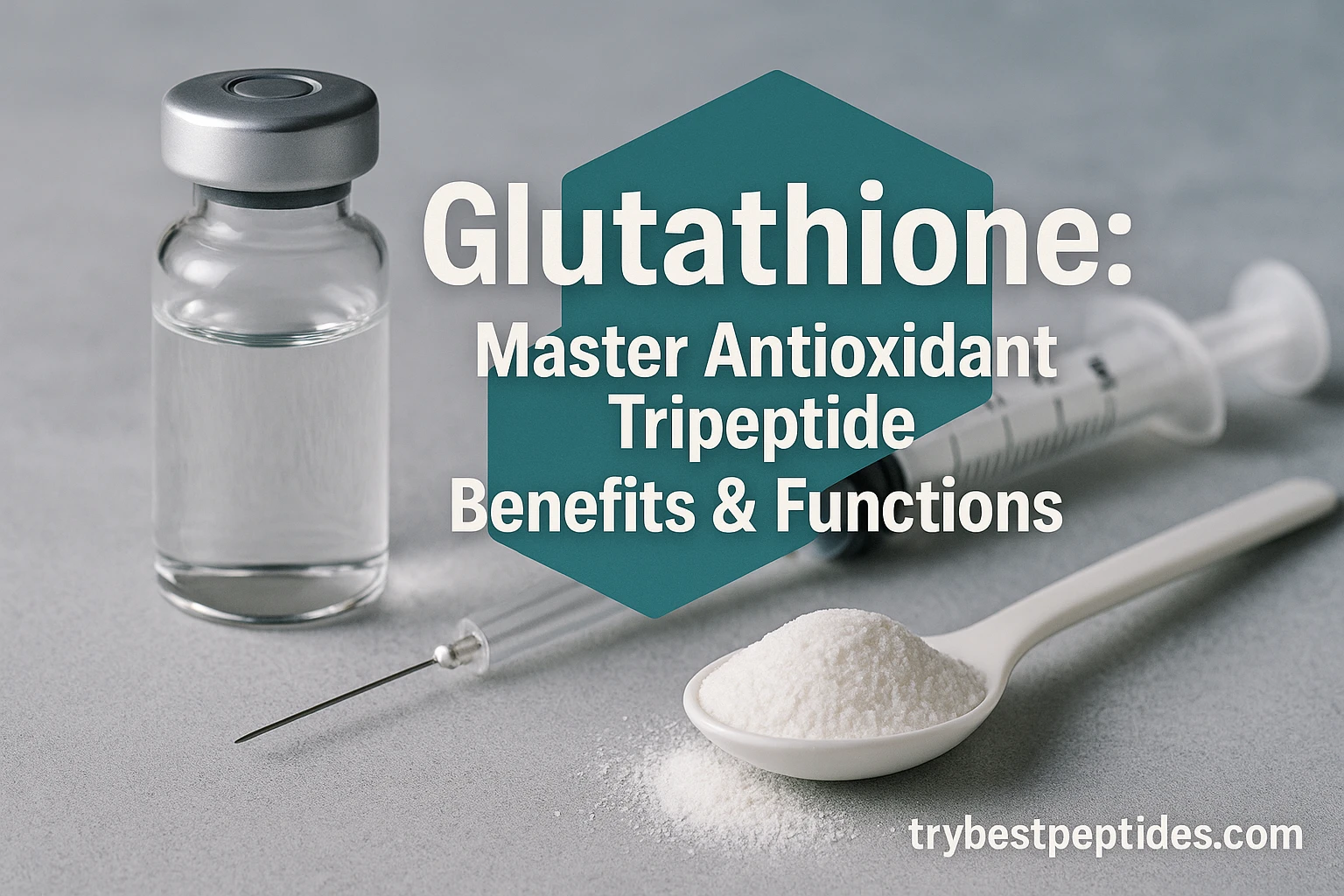
Glutathione stands as one of the most powerful and versatile molecules in human physiology. This remarkable tripeptide—composed of three amino acids: glutamic acid, cysteine, and glycine—plays a central role in protecting cells from oxidative damage and supporting numerous vital bodily functions. Found in nearly every cell throughout the body, glutathione serves as the primary defense mechanism against free radicals, environmental toxins, and cellular stress. Whether you're interested in optimizing athletic performance, supporting immune function, or maintaining long-term health, understanding glutathione's mechanisms and benefits is essential for making informed decisions about your wellness strategy.
What Is Glutathione?
Glutathione is a small but mighty tripeptide that exists in two forms: reduced glutathione (GSH) and oxidized glutathione (GSSG). The reduced form is the biologically active state that provides most of the antioxidant benefits your body depends on for optimal function.
This remarkable molecule is synthesized naturally within your cells through a two-step enzymatic process. The first step involves the enzyme gamma-glutamylcysteine synthetase combining glutamic acid and cysteine. The second step utilizes glutathione synthetase to add glycine, completing the tripeptide structure. Because your body produces glutathione endogenously, it's classified as a non-essential amino acid compound, though optimal levels require proper nutrition and metabolic support.
The concentration of glutathione varies significantly throughout your body. Your liver maintains the highest concentrations, which makes sense given its role in detoxification. However, glutathione is present in meaningful amounts in virtually every tissue, including the brain, lungs, heart, and immune cells. This widespread distribution reflects glutathione's fundamental importance to cellular health across multiple organ systems.
The Antioxidant Power of Glutathione
The primary claim to fame for glutathione is its extraordinary antioxidant capacity. Free radicals—unstable molecules produced during metabolism and through exposure to environmental stressors—damage cellular structures, DNA, and proteins if left unchecked. Glutathione neutralizes these destructive molecules through a process called reduction, converting them into harmless compounds that your body can eliminate.
What makes glutathione particularly special is that it doesn't just neutralize free radicals and then disappear. Instead, it can be regenerated and recycled within your cells. The enzyme glutathione reductase converts oxidized glutathione (GSSG) back into its reduced, active form (GSH), allowing a single glutathione molecule to provide protection repeatedly. This regeneration process makes glutathione an exceptionally efficient antioxidant system.
Additionally, glutathione works synergistically with other antioxidant systems in your body, including vitamins E and C, and the enzyme superoxide dismutase. This collaborative approach creates layered protection against oxidative stress, ensuring that multiple defense mechanisms work together to maintain cellular integrity.
Key Roles Beyond Antioxidation
While antioxidant activity dominates discussions about glutathione, this versatile tripeptide performs numerous other critical functions that support overall health and longevity.
Detoxification and Liver Support
Your liver relies heavily on glutathione to neutralize and eliminate toxins, medications, and other foreign substances. The enzyme glutathione S-transferase uses glutathione to bind to harmful compounds, making them water-soluble so your kidneys can excrete them efficiently. This detoxification process represents one of your body's primary mechanisms for removing heavy metals, persistent organic pollutants, and pharmaceutical compounds.
Immune System Enhancement
Glutathione plays a fundamental role in immune cell development and function. It supports the proliferation and activation of lymphocytes, the white blood cells responsible for recognizing and destroying pathogens. Research indicates that adequate glutathione levels correlate strongly with robust immune responses, while depleted glutathione is associated with compromised immune function.
Protein Synthesis and Cellular Repair
Beyond protection, glutathione participates in protein synthesis and helps maintain the structural integrity of cells. It supports the formation of disulfide bonds that stabilize protein structures, contributing to the proper folding and function of countless enzymes and structural proteins throughout your body.
Mitochondrial Function
Mitochondria—the energy-producing factories of your cells—are particularly vulnerable to oxidative damage. Glutathione provides specialized protection within these organelles, supporting the production of ATP and maintaining the metabolic efficiency that fuels every cellular process.
Factors That Deplete Glutathione Levels
Understanding what depletes glutathione is crucial for maintaining optimal levels. Several environmental, lifestyle, and health factors can significantly reduce your body's glutathione stores.
Chronic stress elevates cortisol levels, which accelerates glutathione consumption as your body works to manage the oxidative stress accompanying psychological strain. Poor diet—particularly one lacking in sulfur-containing vegetables like broccoli, Brussels sprouts, and garlic—reduces the raw materials your body needs to synthesize glutathione. Heavy alcohol consumption is a well-documented glutathione depleter, as your liver uses substantial glutathione stores to process alcohol metabolites.
Environmental toxins, air pollution, radiation exposure, and intense exercise without adequate recovery all increase your body's glutathione demands. Certain medications, autoimmune conditions, and chronic infections create oxidative stress that overwhelms glutathione reserves. Aging itself is associated with declining glutathione levels, which may contribute to increased disease susceptibility in older populations.
Optimizing Your Glutathione Status
Given glutathione's critical importance, supporting optimal levels should be a cornerstone of any comprehensive health strategy.
Nutritional Support
Consuming glutathione-rich foods provides precursor amino acids and co-factors needed for synthesis. Cruciferous vegetables—broccoli, cabbage, and Brussels sprouts—contain sulforaphane, which activates glutathione production pathways. Garlic and onions provide sulfur compounds that support glutathione synthesis. Grass-fed beef, wild-caught fish, and pasture-raised eggs offer high-quality protein and selenium, which is essential for glutathione peroxidase, a key glutathione-dependent enzyme.
Lifestyle Modifications
Regular moderate exercise enhances glutathione production, though excessive intense training without adequate recovery can deplete it. Prioritizing seven to nine hours of quality sleep supports glutathione synthesis and cellular repair. Managing stress through meditation, yoga, or time in nature helps preserve glutathione reserves. Minimizing alcohol consumption and avoiding smoking protects existing glutathione stores.
Supplementation Considerations
While direct glutathione supplementation has mixed absorption rates due to the digestive system's breakdown of peptide bonds, certain formulations—particularly liposomal glutathione—show improved bioavailability. N-acetylcysteine (NAC), a precursor to glutathione, has strong research support for increasing intracellular glutathione levels. Milk thistle, alpha lipoic acid, and selenium supplementation can support glutathione pathways and recycling processes.
The Future of Glutathione Research
Emerging research continues to explore glutathione's potential applications in addressing age-related diseases, neurodegenerative conditions, and metabolic disorders. Scientists are investigating novel delivery methods to improve glutathione absorption, developing biomarkers to assess individual glutathione status more accurately, and exploring how personalized glutathione optimization might enhance longevity and disease prevention strategies.
Conclusion
Glutathione represents one of nature's most elegant and essential defense systems. As the master antioxidant, this humble tripeptide orchestrates complex protective mechanisms throughout your body while supporting detoxification, immune function, and cellular repair. Given its declining levels with age and depletion from modern stressors, actively supporting your glutathione status through nutrition, lifestyle practices, and targeted supplementation represents a smart investment in long-term health.
Whether your goal is optimizing athletic performance, supporting recovery from illness, or simply enhancing your baseline health as you age, glutathione deserves prominent attention in your wellness protocol. By understanding this molecule's mechanisms and taking practical steps to maintain optimal levels, you're investing in one of your body's most fundamental protective systems.
Key Takeaways
- Glutathione is a tripeptide composed of glutamic acid, cysteine, and glycine that serves as your body's primary master antioxidant
- The liver maintains the highest concentrations, reflecting glutathione's critical role in detoxification and toxin elimination
- Glutathione is regenerated and recycled, allowing single molecules to provide protection repeatedly through enzymatic conversion
- Multiple factors deplete glutathione including chronic stress, poor diet, alcohol consumption, environmental toxins, and intense exercise without recovery
- Nutritional and lifestyle strategies including cruciferous vegetables, quality sleep, stress management, and moderate exercise support optimal glutathione levels
- Liposomal glutathione and NAC supplementation offer evidence-based approaches for those seeking additional glutathione support beyond dietary sources
-