Liraglutide represents a significant advancement in therapeutic peptide development, functioning as a GLP-1 receptor agonist that has transformed treatment approaches for metabolic disorders and obesity management. This injectable medication mimics the glucagon-like peptide-1 hormone, which plays a crucial role in regulating blood sugar levels, appetite control, and weight management. Originally developed for type 2 diabetes management, liraglutide has gained widespread recognition for its multifaceted therapeutic benefits extending beyond glucose control. Healthcare providers and patients alike have embraced this peptide therapy due to its proven efficacy, favorable safety profile, and ability to deliver results where traditional treatments fall short. Understanding liraglutide's mechanism of action, clinical applications, and practical considerations is essential for anyone considering this therapeutic option.
How Liraglutide Works: Mechanism of Action
Liraglutide operates by binding to GLP-1 receptors located throughout the body, activating signaling pathways that produce multiple therapeutic effects. When administered, this synthetic peptide closely mimics the natural GLP-1 hormone that your pancreas produces in response to meals. The medication stimulates insulin secretion in a glucose-dependent manner, meaning it increases insulin release only when blood sugar levels are elevated, reducing hypoglycemia risk compared to older diabetes medications.
Beyond glucose regulation, liraglutide influences appetite centers in the brain, particularly the hypothalamus, resulting in reduced hunger signals and increased satiety. This dual action on both metabolic regulation and appetite suppression makes it exceptionally effective for weight management. The peptide also slows gastric emptying—the rate at which food moves from your stomach to your small intestine—which contributes to prolonged feelings of fullness and reduced caloric intake.
Insulin Production and Glucose Control
The primary mechanism involves stimulating beta cells in the pancreas to produce and release insulin in response to elevated glucose levels. This glucose-dependent action is particularly valuable because it minimizes the risk of low blood sugar episodes that commonly occur with insulin injections or other diabetes medications. Liraglutide essentially helps restore the body's natural glucose regulation system.
Appetite Suppression and Weight Management
The appetite-suppressing effects occur through direct action on GLP-1 receptors in the central nervous system. These receptors influence the brain's satiety centers, communicating fullness signals earlier and more effectively. Users typically experience reduced cravings, decreased snacking impulses, and improved portion control, all contributing to sustainable weight loss without requiring extreme dietary restrictions.
Clinical Applications and Therapeutic Benefits
Liraglutide has established itself as a versatile therapeutic agent with proven benefits across multiple clinical applications, making it valuable for various patient populations and health conditions.
Type 2 Diabetes Management
Liraglutide demonstrated remarkable efficacy in clinical trials for type 2 diabetes patients. Users typically achieve significant improvements in HbA1c levels—a marker of average blood sugar control over three months—often matching or exceeding results from multiple-medication regimens. Beyond glucose control, diabetic patients experience improved cardiovascular outcomes, reduced inflammation markers, and decreased progression of diabetic complications. The medication's ability to promote weight loss simultaneously addresses a root cause of type 2 diabetes in many patients.
Weight Loss and Obesity Treatment
Recent years have witnessed an expansion of liraglutide's use in obesity management, where it has demonstrated consistent, clinically significant weight loss results. Patients typically lose 5-15% of their baseline body weight when combining liraglutide therapy with lifestyle modifications. This therapeutic application has opened new possibilities for individuals struggling with weight management despite conventional diet and exercise approaches.
Cardiovascular Benefits
Beyond its primary indications, liraglutide offers unexpected cardiovascular protective effects. Studies demonstrate reduced risk of major cardiovascular events, stroke, and heart failure in patients receiving this therapy. These benefits appear independent of weight loss alone, suggesting direct protective mechanisms on heart tissue and blood vessel function.
Administration and Dosing Protocols
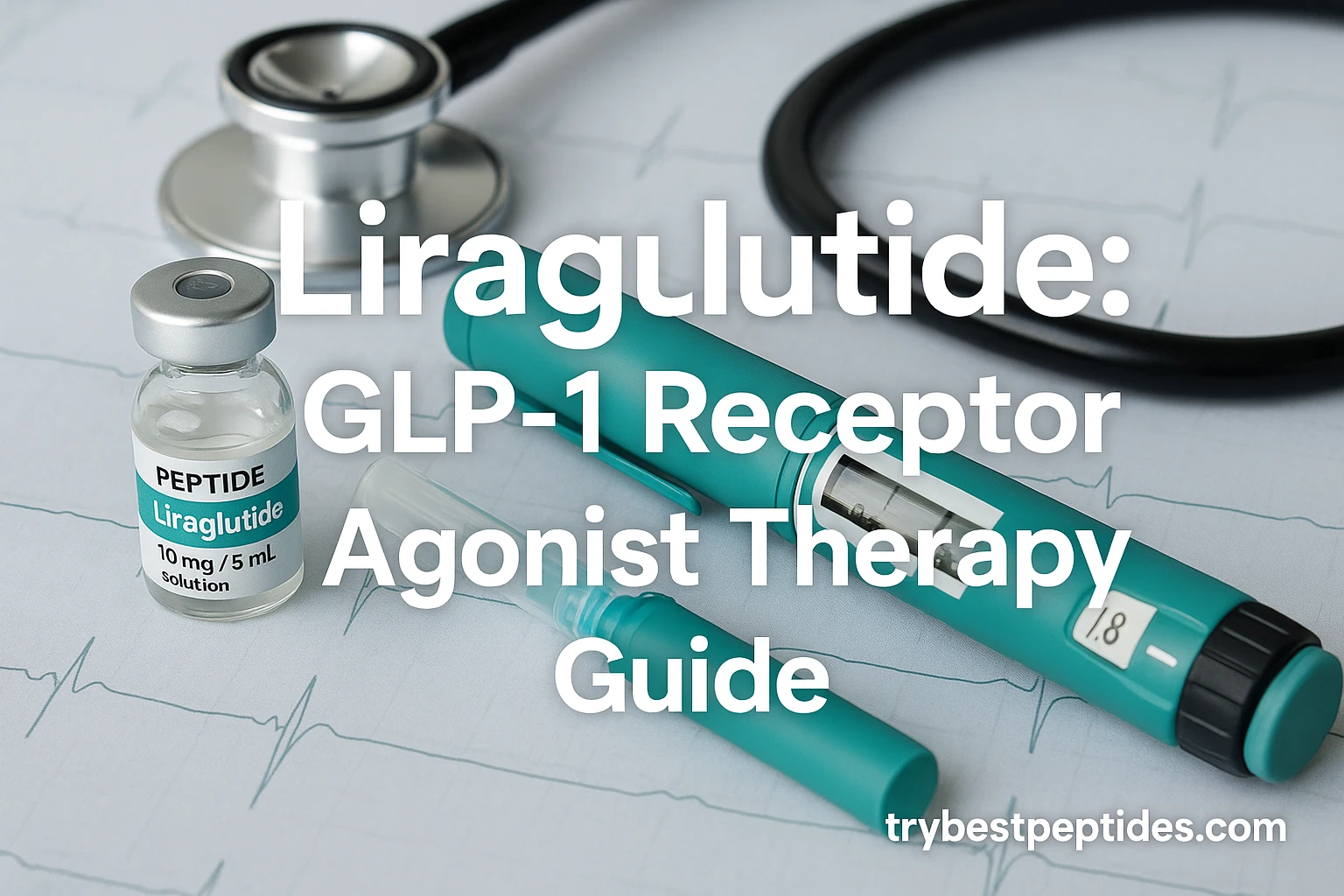
Liraglutide is administered as a subcutaneous injection, typically once daily, using pre-filled pens that deliver precise doses. Treatment typically begins with a lower starting dose to allow the body to adjust, with gradual dose escalation occurring over several weeks. The standard maintenance dose ranges from 1.2 to 1.8 mg daily, though individual requirements may vary based on therapeutic goals and tolerance.
Injection Technique and Administration Schedule
Patients receive training on proper subcutaneous injection technique, typically injecting into the abdomen, thigh, or upper arm. Most users develop comfort with self-administration within the first few weeks. The consistent once-daily regimen improves adherence compared to more frequent injection schedules or complex medication protocols. Injection sites should be rotated to prevent lipohypertrophy—the development of fatty lumps at injection sites from repeated injections in the same location.
Dose Titration and Optimization
The typical dose escalation follows a weekly progression pattern: starting at 0.6 mg daily for one week, increasing to 1.2 mg for the second week, continuing to 1.8 mg by week three or four. Some patients achieve optimal therapeutic effects at lower doses, while others benefit from the maximum recommended dose. Healthcare providers adjust dosing based on glycemic control, weight loss response, and individual tolerance.
Potential Side Effects and Safety Considerations
While liraglutide offers significant therapeutic benefits, users should understand potential side effects and contraindications to make informed treatment decisions.
Common Adverse Effects
Gastrointestinal side effects occur most frequently, particularly during initial treatment phases. Nausea represents the most common complaint, affecting approximately 40% of users initially, though tolerance typically develops within several weeks. Other gastrointestinal effects include vomiting, diarrhea, and constipation. These effects usually decrease with continued treatment as the body acclimates to the medication.
Serious Adverse Events
Pancreatitis represents a rare but serious potential complication requiring immediate medical attention. Patients experiencing severe abdominal pain, especially in the upper abdomen radiating to the back, should seek emergency care. Thyroid complications, including increased risk of medullary thyroid carcinoma in animal studies, necessitate careful patient selection and monitoring in individuals with personal or family histories of thyroid disease.
Contraindications and Patient Selection
Liraglutide is contraindicated in patients with personal or family history of medullary thyroid carcinoma or Multiple Endocrine Neoplasia syndrome type 2. Pregnancy and breastfeeding represent additional contraindications due to insufficient safety data in these populations. Patients with severe renal or hepatic impairment require careful evaluation before initiating therapy.
Comparing Liraglutide to Alternative Therapies
The therapeutic landscape offers several GLP-1 receptor agonists and competing treatments, each with distinct characteristics and advantages.
GLP-1 Agonists: Similar and Different
Semaglutide, another GLP-1 receptor agonist, shares liraglutide's basic mechanism but offers once-weekly administration compared to liraglutide's daily injections. Dulaglutide provides another once-weekly alternative, while exenatide requires twice-daily injections. Liraglutide's daily administration may seem less convenient than weekly alternatives; however, it allows for more flexible dose adjustments and potentially faster response optimization.
Traditional Diabetes Medications
Compared to sulfonylureas and meglitinides, liraglutide produces weight loss rather than weight gain and carries lower hypoglycemia risk. Metformin remains the first-line diabetes agent due to cost and safety, but doesn't address appetite or weight as effectively as GLP-1 agonists. Insulin therapy offers more potent glucose control but requires more complex management and typically causes weight gain.
Future Developments and Emerging Research
The field of GLP-1 receptor agonist therapy continues evolving, with ongoing research exploring enhanced formulations, combination therapies, and expanded clinical applications.
Oral formulations of GLP-1 agonists are in development, potentially eliminating injection requirements and improving patient compliance. Combination therapies pairing GLP-1 agonists with other peptides or small-molecule drugs show promise for amplifying therapeutic effects. Research into additional medical conditions where GLP-1 activation may provide benefits continues expanding, including potential applications in neurodegenerative diseases and certain psychiatric conditions.
Conclusion
Liraglutide exemplifies the therapeutic potential of peptide-based medicine, offering patients with type 2 diabetes and obesity a powerful tool for metabolic improvement and sustainable weight management. Its well-established mechanism of action, proven clinical efficacy, and relatively favorable safety profile when used in appropriate populations make it a valuable treatment option. While gastrointestinal side effects and injection requirements present minor inconveniences for some patients, the substantial benefits in glucose control, weight loss, and cardiovascular protection often justify these considerations. As research continues and new formulations emerge, liraglutide's role in modern therapeutics will likely expand further, offering hope to millions struggling with metabolic disorders and weight management challenges.
Key Takeaways
- Mechanism: Liraglutide functions as a GLP-1 receptor agonist that stimulates insulin secretion, suppresses appetite, and slows gastric emptying
- Clinical Applications: Proven effective for type 2 diabetes management, obesity treatment, and cardiovascular protection
- Administration: Delivered as daily subcutaneous injections using pre-filled pens with dose ranges from 1.2 to 1.8 mg
- Safety Profile: Generally well-tolerated with common GI side effects that typically resolve with continued treatment
- Advantages: Produces weight loss without hypoglycemia risk, addresses root causes of metabolic dysfunction
- Considerations: Contraindicated in thyroid disease history, requires proper patient selection and medical supervision
- Future Outlook: Oral formulations and combination therapies in development promise expanded therapeutic applications
-