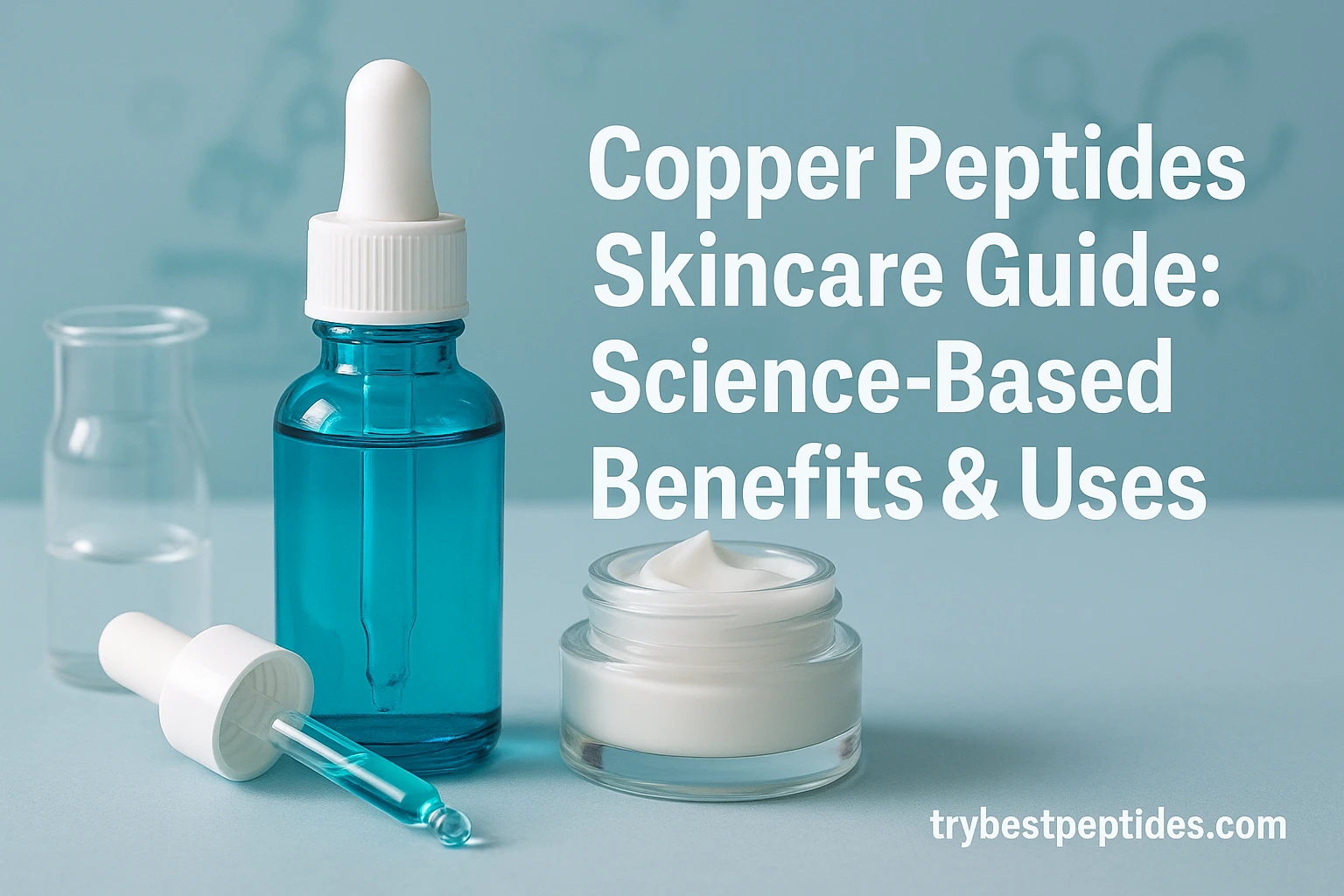

Since its introduction in 2000 by French biotech company Sederma, Matrixyl has become one of the most widely recognized and commercially successful peptide ingredients in the skincare industry. Today, you'll find this synthetic peptide featured prominently in anti-aging serums, moisturizers, and creams across major beauty retailers worldwide. But what makes Matrixyl so effective, and is it truly worth the investment? This comprehensive guide explores the science behind this popular ingredient, examining how it works at the cellular level, what clinical research reveals about its efficacy, and how to incorporate it effectively into your skincare routine. Whether you're a skincare enthusiast or simply curious about peptide-based products, understanding Matrixyl's mechanisms and benefits will help you make informed decisions about your anti-aging skincare choices.
What Is Matrixyl?
Matrixyl is the commercial name for palmitoyl pentapeptide-4, a synthetic peptide compound designed to mimic natural protein structures found in the skin. The ingredient consists of a palmitic acid chain attached to a five-amino acid peptide sequence, which gives it unique properties that distinguish it from other skincare peptides.
The development of Matrixyl represented a significant breakthrough in peptide cosmetics. By combining a lipid (palmitic acid) with a short chain of amino acids, Sederma created a molecule small enough to penetrate the skin barrier while remaining stable enough to survive formulation processes and storage. This balance between bioavailability and stability made Matrixyl an ideal candidate for commercial skincare products.
As a synthetic peptide, Matrixyl doesn't occur naturally in the body, but it's engineered to interact with skin cells in ways that promote youthful appearance and skin resilience. It's classified as a cosmetic ingredient rather than a drug, which means it's regulated differently than pharmaceutical peptides, making it more accessible to consumers globally.
How Matrixyl Works: Mechanisms of Action
Understanding how Matrixyl functions at the cellular level helps explain why it's become such a popular anti-aging ingredient. The mechanism involves several interconnected biological processes.
Collagen Stimulation and Matrix Support
The primary mechanism of action for Matrixyl centers on its ability to stimulate collagen production in the skin. Collagen is the primary structural protein responsible for skin firmness, elasticity, and overall integrity. As we age, collagen production naturally declines, leading to fine lines, wrinkles, and loss of skin volume.
Matrixyl signals fibroblasts—the cells responsible for producing collagen—to increase their synthesis of type I and type III collagen. By essentially "communicating" with these cells, the peptide encourages them to work harder and produce more of this essential protein. This process helps restore the skin's structural foundation and can visibly improve skin texture over time.
Extracellular Matrix Reinforcement
Beyond collagen stimulation, Matrixyl supports the extracellular matrix (ECM), the scaffolding system that holds skin cells together. The extracellular matrix contains not just collagen, but also elastin, proteoglycans, and other structural components that maintain skin's firmness and hydration.
As the ECM degrades with age and environmental damage, skin loses its ability to retain moisture and maintain its shape. Matrixyl helps reinforce this matrix by promoting the production of supporting proteins and encouraging the skin to maintain existing collagen architecture.
Signal Peptide Activity
Matrixyl functions as a signal peptide, meaning it communicates with skin cells through specific receptors. When applied topically, these peptides can penetrate damaged areas of the skin barrier and deliver messages that trigger beneficial cellular responses. This signaling mechanism is more sophisticated than simple moisturizing—it's actual biochemical communication at the cellular level.
Clinical Research and Evidence
The effectiveness of Matrixyl is backed by multiple peer-reviewed clinical studies, though it's important to understand both what the research shows and what it doesn't.
Published Study Results
Several clinical trials have demonstrated measurable improvements in skin appearance following Matrixyl application. Studies have shown reductions in fine lines and wrinkles, improved skin elasticity, and enhanced skin firmness when Matrixyl-containing products are used consistently over 4-8 week periods.
A notable study published by Sederma involved topical application of Matrixyl in concentrations similar to those found in commercial skincare products. Participants showed statistically significant improvements in skin wrinkles and elasticity measurements compared to placebo groups. These results provided strong support for the ingredient's efficacy within realistic usage scenarios.
Limitations of Current Research
While the existing research is encouraging, it's important to note that most clinical studies on Matrixyl have been conducted or funded by its manufacturer, which can introduce potential bias. Additionally, the magnitude of improvements, while measurable, is generally modest—expect visible but not dramatic results.
Most studies also test Matrixyl at specific concentrations and formulation types, so results may vary depending on how the ingredient is incorporated into commercial products. The vehicle (serum, cream, lotion) and supporting ingredients significantly influence how effectively Matrixyl penetrates and functions.
How to Use Matrixyl in Skincare
Proper application technique maximizes Matrixyl's potential benefits and helps ensure you get the most value from products containing this ingredient.
Application Method and Frequency
Matrixyl products are typically used twice daily—morning and evening—as part of a standard skincare routine. Apply these products to clean, dry skin before moisturizer. The peptide works best on undamaged skin, so avoid application to areas with open wounds or severe irritation.
For serum formulations, use 2-3 drops applied gently across the face and neck. Allow the serum to absorb for a minute or two before applying other products. Layering is important—apply Matrixyl first in your routine, then follow with heavier creams and oils that can trap the peptide against the skin.
Optimal Concentration and Formulation Types
Most effective commercial products contain Matrixyl concentrations between 3-10%, though some premium formulations may include higher percentages. Serums typically deliver higher concentrations than creams, making them potentially more effective for targeting specific concerns.
The type of formulation matters significantly. Serum bases allow better penetration due to their lighter molecular weight, while cream formulations provide additional moisturizing benefits but may reduce peptide absorption slightly.
Timeline and Expectations
Results from Matrixyl products are not immediate. Most users begin noticing subtle improvements in skin firmness and texture after 2-4 weeks of consistent use. More pronounced results, such as visible reduction in fine lines, typically appear after 8-12 weeks of daily application.
Patience and consistency are essential. Matrixyl works by gradually stimulating your skin's natural processes, not by providing instant cosmetic coverage or dramatic transformations. Skipping applications or inconsistent use will diminish results.
Safety, Side Effects, and Tolerability
Matrixyl has an excellent safety profile, with decades of commercial use supporting its tolerability across diverse skin types.
General Safety Profile
Matrixyl is non-toxic and well-tolerated by most users. It doesn't penetrate deeply enough into the skin to cause systemic effects, remaining localized to the dermis where it exerts its beneficial actions. Regulatory agencies worldwide have approved its use in cosmetic formulations without restriction.
Potential Side Effects
Side effects are uncommon but possible, particularly in individuals with sensitive skin. Some users report mild irritation, redness, or temporary sensitivity when first introducing Matrixyl products. These reactions typically subside within a few applications as the skin adjusts.
Allergic reactions to Matrixyl itself are extremely rare, though reactions to other ingredients in formulations are always possible. If you have a history of peptide sensitivity or multiple ingredient allergies, consider patch-testing first.
Who Should Avoid or Use Caution
Matrixyl is suitable for virtually all skin types, including sensitive, acne-prone, and compromised skin. However, those with active inflammatory conditions or severe dermatological issues should consult healthcare providers before introducing new active ingredients.
Pregnant and nursing individuals should follow standard precautions with any skincare active, though Matrixyl's topical application and limited systemic absorption make it generally considered safe during these periods.
Bottom Line
Matrixyl (palmitoyl pentapeptide-4) represents a scientifically-backed approach to supporting skin's natural collagen production and maintaining the extracellular matrix that keeps skin firm and youthful. While it won't deliver overnight transformations, consistent use over 8-12 weeks can produce noticeable improvements in skin texture, firmness, and the appearance of fine lines.
The ingredient's extensive commercial track record, supported by clinical research and an excellent safety profile, makes it a reliable choice for anyone seeking to incorporate peptide-based anti-aging support into their routine. For best results, choose products with appropriate Matrixyl concentrations (3-10%), use them consistently twice daily, and maintain realistic expectations about timing and magnitude of results.
Key Takeaways
- What it is: Matrixyl (palmitoyl pentapeptide-4) is a synthetic peptide developed in 2000 by Sederma, combining palmitic acid with a five-amino acid chain to support skin anti-aging
- Primary mechanism: Works by signaling fibroblasts to increase collagen production and reinforcing the extracellular matrix that maintains skin structure
- Clinical evidence: Multiple studies demonstrate measurable improvements in wrinkles, elasticity, and skin firmness after 4-8 weeks of consistent use
- Usage: Apply twice daily in serum or cream formulations containing 3-10% Matrixyl concentration; expect visible results after 8-12 weeks
- Safety: Excellent tolerability profile with minimal side effects; suitable for all skin types including sensitive and acne-prone skin
- Realistic expectations: Provides modest but measurable improvements through gradual stimulation of natural skin processes, not instant results
-