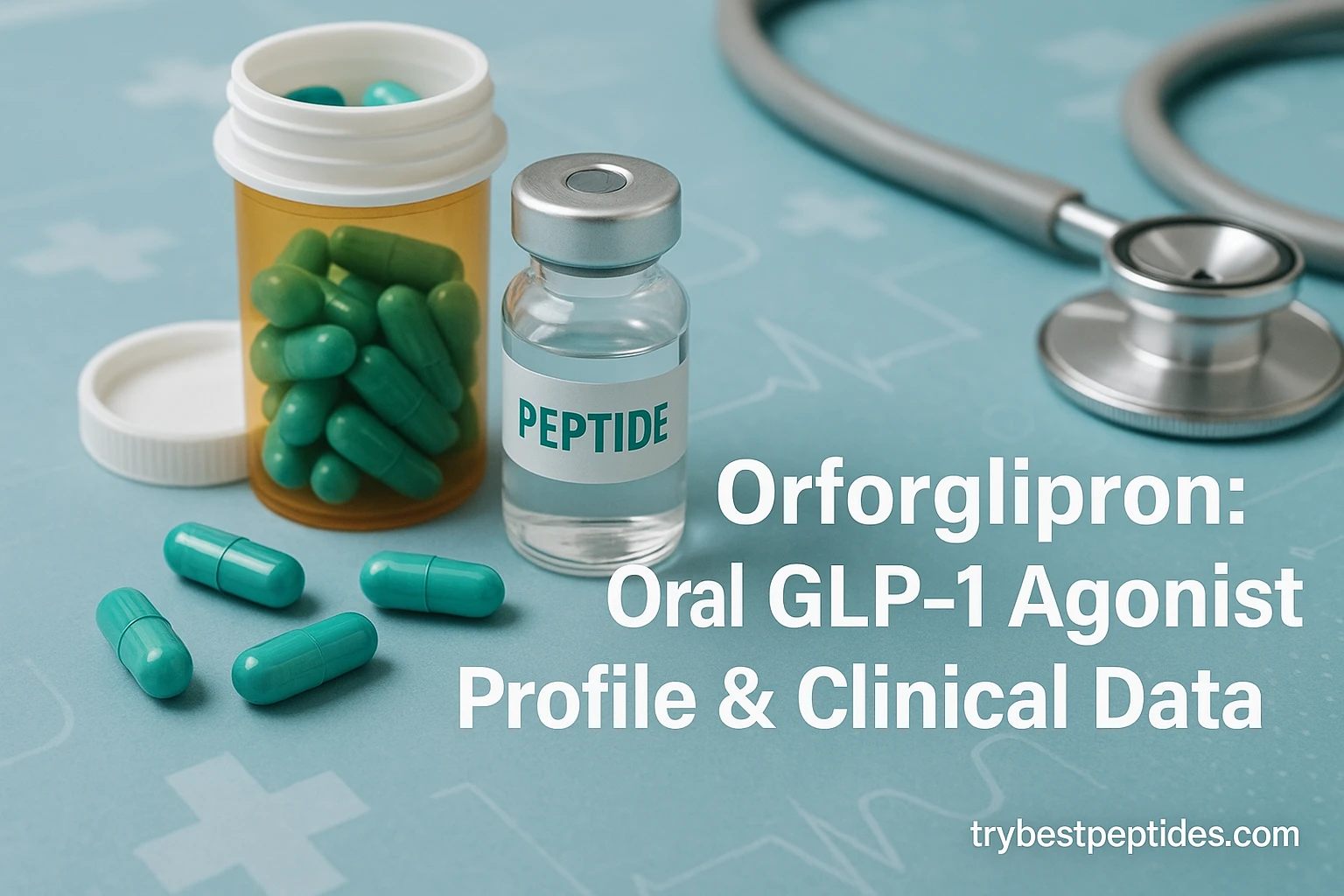
The landscape of GLP-1 therapies is undergoing a significant transformation. While current market options like semaglutide and tirzepatide require injections or strict timing protocols with oral administration, orforglipron represents a fundamentally different approach to GLP-1 agonism. Unlike its predecessors, orforglipron is not a peptide compound—it's a small-molecule oral medication designed to activate GLP-1 receptors with the convenience of traditional pill-based dosing. This innovation could reshape how millions of patients access weight management and metabolic health treatments, eliminating the barriers associated with injection anxiety, complex administration schedules, and strict fasting requirements.
What Is Orforglipron?
Orforglipron is a non-peptide, oral GLP-1 receptor agonist developed to provide the metabolic benefits of GLP-1 activation without the complications associated with peptide-based therapies. The compound represents a breakthrough in oral drug delivery, allowing patients to take their medication with meals and at convenient times throughout the day.
The fundamental distinction between orforglipron and other GLP-1 drugs lies in its chemical structure. Traditional GLP-1 medications—whether injectable or oral—are based on the structure of glucagon-like peptide-1, a naturally occurring hormone. Orforglipron, by contrast, is a small-molecule mimetic that binds to and activates GLP-1 receptors through a completely different chemical mechanism. This approach offers several practical advantages for patients seeking accessible, user-friendly treatment options.
The development of orforglipron demonstrates how pharmaceutical innovation continues to address unmet clinical needs. Many patients who could benefit from GLP-1 therapy decline treatment due to needle anxiety, travel complications with injectable medications, or difficulty maintaining strict fasting schedules. Orforglipron directly addresses these barriers.
Development History and Clinical Timeline
The development pathway for orforglipron reflects years of focused pharmaceutical research aimed at creating an oral, non-peptide GLP-1 agonist. The transition from injectable peptides to small-molecule alternatives represents one of the most challenging undertakings in modern drug development, requiring innovative chemistry and extensive clinical validation.
Early preclinical studies demonstrated that orforglipron could effectively bind to GLP-1 receptors and produce dose-dependent metabolic effects comparable to peptide-based agonists. These promising results led to the initiation of Phase 1 clinical trials, which evaluated safety, tolerability, and pharmacokinetic properties in healthy volunteers.
Following successful Phase 1 outcomes, researchers progressed to Phase 2 studies in patients with type 2 diabetes and obesity. These trials were critical for establishing optimal dosing ranges, determining the compound's effects on blood glucose regulation, and assessing its impact on body weight reduction. The clinical development timeline has positioned orforglipron as a significant advancement in the GLP-1 therapeutic class, with potential regulatory approval expected in coming years.
How Orforglipron Works: Mechanisms of Action
Understanding orforglipron's mechanism of action requires examining how it differs from peptide-based GLP-1 agonists while producing similar therapeutic outcomes.
GLP-1 Receptor Activation
Orforglipron operates by selectively binding to GLP-1 receptors distributed throughout the body. Once activated, these receptors trigger a cascade of cellular signaling events that regulate glucose homeostasis, appetite regulation, and energy expenditure. The non-peptide structure of orforglipron allows it to resist degradation by dipeptidyl peptidase-4 (DPP-4) and other proteolytic enzymes, potentially offering improved durability compared to some earlier therapeutic approaches.
Metabolic Effects
Upon GLP-1 receptor activation, orforglipron initiates several key metabolic processes:
- Glucose regulation: Enhanced insulin secretion in response to elevated blood glucose, coupled with decreased glucagon release
- Appetite suppression: Signaling in the hypothalamus that promotes satiety and reduces food intake
- Gastric emptying: Slowed stomach-to-intestine food transit, contributing to prolonged fullness sensations
- Energy metabolism: Potential improvements in mitochondrial function and lipid oxidation
These coordinated effects result in the clinical outcomes observed in trial populations: improved glycemic control and significant body weight reduction.
Oral Bioavailability
The small-molecule structure of orforglipron enables absorption through the gastrointestinal tract without requiring the specialized delivery systems or strict administration protocols necessary for peptide-based oral medications. This represents a significant pharmacological advantage, allowing flexible dosing schedules that fit naturally into daily routines.
Clinical Research and Efficacy Data
Clinical trial data for orforglipron demonstrates meaningful efficacy across multiple outcome measures relevant to type 2 diabetes and obesity treatment.
Early Phase 2 studies in patients with type 2 diabetes showed significant improvements in HbA1c levels, with reductions ranging from 1.5% to 2.5% depending on dosage. Concurrently, participants experienced body weight reductions averaging 5-8% of baseline weight over 12-week treatment periods—results comparable to established GLP-1 agonists.
Beyond glycemic control and weight reduction, orforglipron demonstrated favorable effects on cardiovascular risk factors. Trial participants showed improvements in blood pressure, triglyceride levels, and inflammatory markers. These secondary outcomes suggest potential cardiovascular benefits extending beyond glucose and weight management.
Importantly, the oral administration format did not compromise efficacy. Patients taking orforglipron with meals achieved similar metabolic outcomes to those who followed stricter dosing protocols, suggesting practical advantages without therapeutic compromise.
Administration and Dosing
Orforglipron's practical administration represents one of its most significant clinical advantages. The medication is designed for straightforward, patient-friendly dosing.
Recommended Dosing Protocol
Initial dosing typically begins at a lower threshold to allow gastrointestinal adaptation. Doses are gradually escalated over several weeks to reach maintenance levels, following a titration schedule that minimizes adverse effects while establishing efficacy.
Unlike injectable GLP-1 agonists requiring once-weekly or twice-weekly dosing, orforglipron operates on a daily dosing schedule. This aligns with patients' existing medication routines and facilitates better compliance.
Meal-Independent Administration
A defining characteristic of orforglipron is its stability when taken with food. Patients can take their medication with breakfast, lunch, or dinner without compromising absorption or efficacy. This flexibility eliminates the logistical challenges associated with peptide-based oral medications that require empty stomach conditions and precise timing windows.
Safety Profile and Side Effects
Clinical safety monitoring reveals that orforglipron demonstrates a favorable tolerability profile consistent with the GLP-1 agonist class, with manageable adverse effect patterns.
Common Side Effects
Gastrointestinal effects represent the most frequently reported adverse events, including nausea, vomiting, and diarrhea. These effects typically manifest during the dose-escalation phase and often resolve as treatment continues. Incidence rates remain lower than those associated with some injectable GLP-1 agonists.
Pancreatitis and Medullary Thyroid Carcinoma Considerations
As with all GLP-1 agonists, orforglipron monitoring includes assessment for pancreatitis risk and careful evaluation in patients with personal or family history of medullary thyroid carcinoma. Clinical trials have not identified increased incidence of these serious complications, though continued pharmacovigilance remains essential.
Hypoglycemia Risk
When used as monotherapy, orforglipron carries minimal hypoglycemia risk. However, combination therapy with insulin or other insulin secretagogues requires dose adjustment to prevent hypoglycemic episodes.
Legal and Regulatory Status
Orforglipron's regulatory pathway remains dynamic as the compound advances through final-stage clinical evaluation and regulatory review processes. Current status indicates:
The compound has completed Phase 2 clinical testing with positive efficacy and safety results. Phase 3 trials—the final stage before regulatory submission—are underway in multiple countries, enrolling diverse patient populations to establish the medication's safety profile across different demographics and comorbidity patterns.
Regulatory agencies including the FDA and EMA are monitoring orforglipron's development closely. Once clinical trials conclude and manufacturers submit New Drug Applications, regulatory decisions could occur within 12-24 months, depending on review timelines and any additional information requests.
Importantly, orforglipron is not currently approved for clinical use and remains available only within approved clinical trial protocols. Patients interested in potential access should consult healthcare providers regarding trial enrollment opportunities.
The Bottom Line
Orforglipron represents a transformative advancement in GLP-1 agonist therapy, combining the metabolic efficacy of peptide-based medications with the practical convenience of oral, non-peptide small-molecule design. By eliminating injection requirements and removing meal-timing restrictions, orforglipron addresses significant barriers to GLP-1 therapy adoption.
Clinical evidence demonstrates meaningful improvements in glycemic control, body weight reduction, and metabolic risk factors comparable to established therapies. The favorable safety profile, combined with administration simplicity, positions orforglipron as a potential treatment option for millions of patients currently managing type 2 diabetes and obesity.
As Phase 3 clinical trials progress toward completion and regulatory review processes advance, orforglipron stands poised to reshape the therapeutic landscape. For healthcare providers and patients alike, this non-peptide oral GLP-1 agonist offers promise of more accessible, integrated metabolic health management in the years ahead.
Key Takeaways
- Non-peptide structure: Orforglipron is a small-molecule oral GLP-1 agonist, distinctly different from peptide-based therapies like semaglutide
- Meal-independent dosing: Can be taken with food without compromising efficacy, eliminating strict timing requirements
- Comparable efficacy: Clinical trials show HbA1c reductions and weight loss results equivalent to established GLP-1 medications
- Favorable tolerability: Gastrointestinal side effects occur less frequently than some injectable alternatives
- Regulatory pathway: Currently in Phase 3 clinical trials with potential approval expected within the next 1-2 years
- Accessibility advantages: Addresses injection anxiety and logistical barriers, potentially broadening patient access to GLP-1 therapy
-