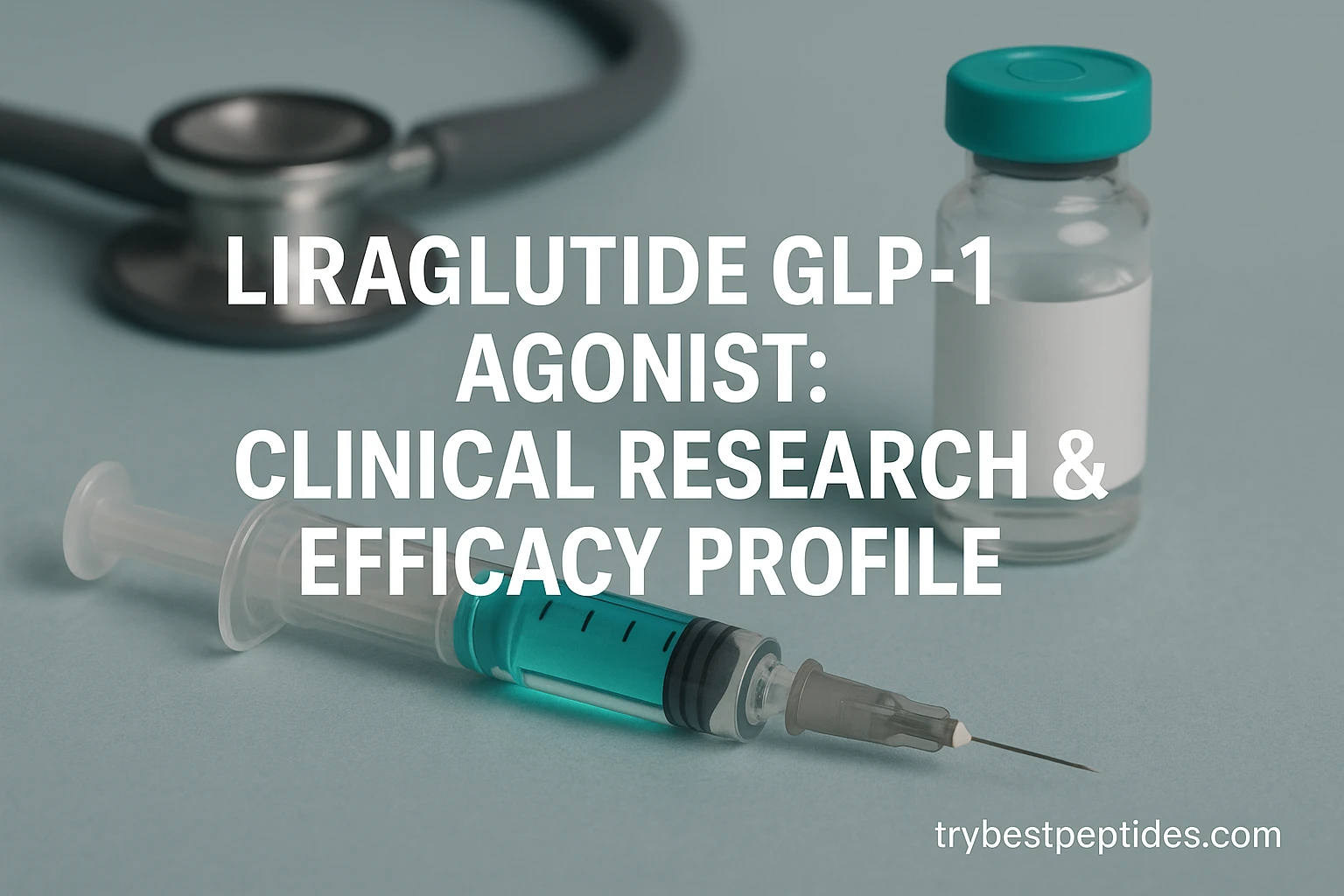
Liraglutide stands as a pioneering glucagon-like peptide-1 (GLP-1) receptor agonist that fundamentally changed the landscape of diabetes and weight management treatment. Approved by the FDA in 2010, this once-daily injectable medication demonstrated that a single molecule could simultaneously lower blood sugar levels, reduce cardiovascular risk, and promote weight loss. Before semaglutide became widely recognized, liraglutide established the clinical foundation for GLP-1 agonists as transformative therapeutic agents. Understanding liraglutide's mechanisms, clinical evidence, and comparative advantages provides essential context for researchers, healthcare providers, and patients navigating modern metabolic disease management.
What Is Liraglutide?
Liraglutide is a synthetic analog of human glucagon-like peptide-1, a naturally occurring hormone that regulates blood glucose levels and appetite. This 31-amino acid peptide works by binding to GLP-1 receptors throughout the body, mimicking the action of endogenous GLP-1 but with significantly improved stability and longer half-life.
The medication is marketed under two brand names depending on its indication: Victoza for type 2 diabetes management and Saxenda for chronic weight management. This dual-indication approval reflects the versatile therapeutic potential of GLP-1 receptor agonism across metabolic disease spectrum.
As a human GLP-1 receptor agonist analog, liraglutide shares 97% homology with native GLP-1, making it highly selective for GLP-1 receptors while maintaining excellent safety and tolerability profiles in long-term clinical use.
Development History and Clinical Context
The development of liraglutide represented a significant advancement in peptide-based therapeutics. Created through rational drug design, researchers engineered liraglutide with two critical modifications to native GLP-1: a single amino acid substitution and a 16-carbon fatty acid chain attached via a glutamic acid spacer. These modifications dramatically extended the peptide's half-life from minutes to approximately 13 hours, enabling once-daily dosing regimens.
The FDA approval in 2010 validated liraglutide's efficacy and safety, establishing it as the first once-daily GLP-1 receptor agonist available to clinicians. This achievement paved the way for subsequent GLP-1 agonists and demonstrated the therapeutic viability of this drug class for multiple indications.
Clinical development programs included extensive Phase II and Phase III trials, collectively enrolling thousands of patients with type 2 diabetes. These studies consistently demonstrated superior glycemic control compared to placebo and comparable efficacy to other diabetes medications, with the added benefit of weight loss and cardiovascular protection.
How Liraglutide Works: Mechanisms of Action
Liraglutide exerts its therapeutic effects through multiple, complementary mechanisms centered on GLP-1 receptor activation:
Pancreatic Beta Cell Stimulation
Liraglutide binds to GLP-1 receptors on pancreatic beta cells, stimulating glucose-dependent insulin secretion. Importantly, this glucose-dependent mechanism means insulin release only occurs when blood glucose levels are elevated, reducing hypoglycemia risk compared to older diabetes medications like sulfonylureas.
Glucagon Suppression
The peptide inhibits glucagon secretion from pancreatic alpha cells in response to hyperglycemia. Since glucagon normally stimulates hepatic glucose production, suppressing it contributes meaningfully to overall glycemic control, particularly in postprandial (after-meal) periods.
Gastric Emptying Deceleration
Liraglutide slows stomach emptying, reducing the rate at which nutrients enter the bloodstream. This delayed gastric emptying contributes to improved postprandial glucose control and enhanced satiety—the feeling of fullness that supports weight loss.
Central Appetite Regulation
GLP-1 receptors in the hypothalamus mediate appetite suppression through direct central nervous system mechanisms. This appetite-reducing effect explains liraglutide's weight loss benefits independently of glycemic control improvements.
Improved Insulin Sensitivity
Emerging evidence suggests liraglutide may enhance tissue insulin sensitivity through multiple pathways, contributing to metabolic improvements beyond insulin secretion stimulation alone.
Clinical Research and Efficacy Evidence
Extensive clinical research has established liraglutide's efficacy across multiple endpoints in both type 2 diabetes and weight management populations.
Glycemic Control
Landmark clinical trials consistently demonstrated liraglutide's ability to reduce HbA1c (a marker of long-term blood sugar control) by approximately 1.5-2.0% when used as monotherapy or in combination with other diabetes medications. These reductions are comparable to or exceed those achieved by other antidiabetic agents.
Cardiovascular Benefits
The LEADER trial (2016), a cardiovascular outcomes trial involving over 9,000 patients with type 2 diabetes, demonstrated that liraglutide reduced major adverse cardiovascular events by 13% compared to placebo. This included reductions in cardiovascular death, myocardial infarction, and ischemic stroke—outcomes that extended liraglutide's clinical value beyond glucose control alone.
Weight Loss Effects
In diabetes populations, patients typically experience 2-3 kg weight loss with liraglutide treatment. In dedicated weight management trials (Saxenda indication), higher doses produced weight loss of approximately 5-8 kg above placebo over 56 weeks, representing meaningful clinical benefit for obesity management.
Renal Protection
Some evidence suggests GLP-1 agonism may offer renal protective effects, potentially slowing progression of diabetic kidney disease through both blood pressure and metabolic improvements.
Administration and Dosing Protocols
Liraglutide administration follows established protocols designed to optimize efficacy while minimizing adverse effects.
Delivery Method: Subcutaneous injection administered once daily, using a pre-filled injection pen. Patients inject either in the abdomen, upper arm, or thigh.
Dosing Schedule: Treatment typically begins at 0.6 mg daily, with weekly dose escalations of 0.6 mg up to therapeutic maintenance doses of 1.2-1.8 mg daily for diabetes (Victoza) or up to 3.0 mg daily for weight management (Saxenda).
Flexibility: The once-daily regimen improves medication adherence compared to more frequent dosing schedules, and patients can adjust injection timing within a 24-hour window.
Safety Profile and Adverse Effects
Liraglutide demonstrates a favorable safety profile in extensive clinical experience spanning over a decade of widespread use.
Common Side Effects
Gastrointestinal effects represent the most frequent adverse reactions, particularly during dose escalation phases. These include nausea, vomiting, diarrhea, and constipation. However, these effects typically diminish over time as patients develop tolerance, with most nausea resolving within 2-4 weeks of initiation.
Serious Adverse Events
Pancreatitis has been reported but occurs rarely. Thyroid concerns emerged from animal studies showing C-cell proliferation in rodents; however, human clinical trials have not confirmed increased thyroid cancer risk. Nevertheless, liraglutide is contraindicated in patients with personal or family history of medullary thyroid carcinoma or MEN 2 syndrome.
Retinopathy worsening in patients with preexisting diabetic retinopathy has been observed, likely related to rapid glucose control improvements rather than direct drug effects.
Hypoglycemia Risk
When used as monotherapy, liraglutide carries minimal hypoglycemia risk. However, combining liraglutide with insulin or other insulin secretagogues increases hypoglycemia risk and requires careful dose adjustment and patient monitoring.
Liraglutide Compared to Newer GLP-1 Agonists
The GLP-1 agonist class has expanded considerably since liraglutide's introduction, with newer agents offering distinct advantages and trade-offs.
| Feature | Liraglutide | Semaglutide | Tirzepatide |
|---|---|---|---|
| Dosing Frequency | Daily | Weekly | Weekly |
| Mechanism | GLP-1 agonist | GLP-1 agonist | GLP-1/GIP dual agonist |
| Weight Loss | Moderate (2-8 kg) | Substantial (10-17 kg) | Very substantial (17-22 kg) |
| Cardiovascular Data | Positive (LEADER) | Positive (SUSTAIN-6) | Emerging (ongoing trials) |
| Cost | Moderate | Moderate-High | High |
| Indication History | Type 2 DM, weight loss | Type 2 DM, weight loss | Type 2 DM, weight loss |
Semaglutide offers superior weight loss efficacy and weekly dosing convenience, while tirzepatide's dual GLP-1/GIP mechanism produces even more pronounced weight loss. However, liraglutide remains a valuable option for patients prioritizing once-daily dosing convenience or experiencing cost barriers to newer agents.
Legal and Regulatory Status
Liraglutide maintains full FDA approval for two distinct indications:
- Victoza: Approved for type 2 diabetes mellitus as monotherapy or adjunctive therapy (2010)
- Saxenda: Approved for chronic weight management in obese or overweight adults with weight-related comorbidities (2014)
Both formulations are available by prescription only. Insurance coverage varies based on indication, with diabetes indications typically having broader coverage than weight management applications. International regulatory approvals mirror FDA status in most developed healthcare systems.
Frequently Asked Questions
How long does liraglutide take to work? Initial glycemic improvements appear within days, while maximum benefit typically develops over 4-12 weeks of treatment as doses escalate and steady-state concentrations establish.
Can liraglutide be used with other diabetes medications? Yes, liraglutide combines effectively with metformin, SGLT2 inhibitors, DPP-4 inhibitors, and other agents. Careful monitoring is necessary when combining with insulin or insulin secretagogues due to hypoglycemia risk.
Is liraglutide permanent or temporary? Effects reverse upon discontinuation, making ongoing treatment necessary for sustained benefit. However, some weight loss benefits may persist partially after stopping.
What distinguishes liraglutide from other GLP-1 agonists? Once-daily dosing, longer established safety track record, and generally lower cost compared to newer weekly agents represent key distinctions.
The Bottom Line
Liraglutide represents a well-established, effective GLP-1 receptor agonist with over 15 years of clinical validation supporting its use in type 2 diabetes and weight management. While newer agents like semaglutide and tirzepatide offer enhanced weight loss and dosing convenience, liraglutide remains a valuable therapeutic option for appropriate patient populations. Its proven cardiovascular benefits, favorable long-term safety profile, and once-daily injection format continue to make it clinically relevant in contemporary metabolic disease management.
The development and success of liraglutide fundamentally advanced our understanding of GLP-1 receptor agonism and established the foundation upon which subsequent peptide-based therapeutics have built. Healthcare providers and patients considering GLP-1 therapy should evaluate liraglutide alongside newer agents, considering individual factors including cost, dosing preference, weight loss goals, and cardiovascular risk profiles.
Key Takeaways
-
Pioneering GLP-1 Agonist: Liraglutide (Victoza/Saxenda) was the first FDA-approved once-daily GLP-1 receptor agonist, approved in 2010, establishing clinical precedent for this drug class.
-
Multiple Mechanisms: Liraglutide works through glucose-dependent insulin stimulation, glucagon suppression, delayed gastric emptying, and central appetite regulation—producing glycemic and weight loss benefits simultaneously.
-
Proven Cardiovascular Benefit: The LEADER trial demonstrated 13% reduction in major adverse cardiovascular events, extending liraglutide's clinical value beyond glucose control alone.
-
Favorable Safety Profile: Long-term clinical experience demonstrates manageable side effects, primarily gastrointestinal, with low hypoglycemia risk when used appropriately.
-
Still Competitive: Despite newer GLP-1 and dual agonists, liraglutide remains clinically valuable for patients prioritizing once-daily dosing, established safety data, and medication cost.
-
Distinct Indications: FDA approval for both type 2 diabetes (Victoza) and chronic weight management (Saxenda) reflects its versatile therapeutic potential across metabolic disease spectrum.
-