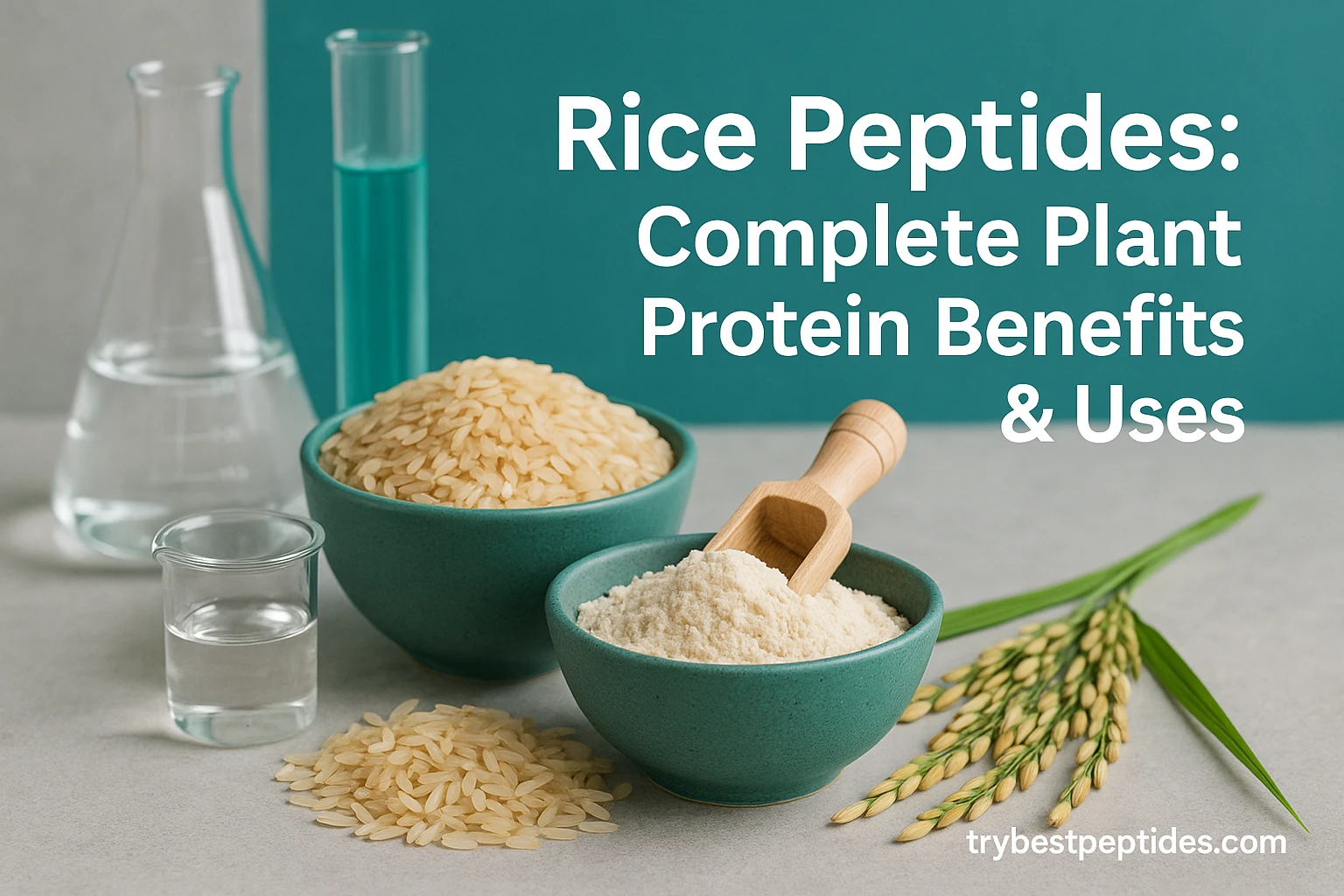
Rice peptides represent one of the most promising developments in plant-based protein supplementation. These bioactive compounds, derived from rice protein through enzymatic hydrolysis, offer a unique combination of nutritional benefits and hypoallergenic properties that make them increasingly popular among health-conscious consumers, athletes, and individuals with dietary restrictions. Unlike many conventional protein sources, rice peptides are easily digestible, rapidly absorbed by the body, and rich in essential amino acids. This comprehensive guide explores what rice peptides are, their benefits, applications, and why they've become a preferred choice for those seeking clean, plant-based protein solutions without compromising on effectiveness or safety.
What Are Rice Peptides?
Rice peptides are short-chain amino acid sequences derived from brown or white rice protein. The production process involves breaking down rice protein molecules through enzymatic hydrolysis, creating smaller, more bioavailable peptide structures. This mechanical and enzymatic breakdown dramatically improves the protein's digestibility and absorption rate compared to whole rice protein powder.
The peptides typically range from 2 to 20 amino acids in length, making them small enough for rapid intestinal absorption while maintaining the nutritional integrity of their parent proteins. This unique molecular structure gives rice peptides significant advantages over both whole rice protein and many other plant-based protein sources. The resulting product contains a complete amino acid profile, including all nine essential amino acids that the human body cannot produce independently.
Why Choose Rice Peptides? Key Benefits
Superior Bioavailability and Absorption
One of the most compelling reasons to choose rice peptides is their exceptional bioavailability. The hydrolyzed peptide structure means your digestive system requires less effort to break down and absorb these proteins. Studies demonstrate that rice peptides are absorbed significantly faster than intact rice proteins or many competing plant proteins, reaching the bloodstream within 30-60 minutes of consumption.
This rapid absorption makes rice peptides particularly valuable for post-workout recovery, when muscles need amino acids quickly to initiate repair and growth processes. Athletes and fitness enthusiasts benefit from the efficient nutrient delivery that rice peptides provide.
Hypoallergenic Properties
Rice peptides stand out in the allergen landscape due to their exceptional hypoallergenic profile. Unlike common protein sources such as soy, wheat, milk, or tree nuts, rice is naturally low in allergenic compounds. This characteristic makes rice peptides an ideal option for individuals with multiple food sensitivities or allergies.
The peptide hydrolysis process further reduces potential allergenicity by breaking down protein structures that might trigger immune responses in sensitive individuals. People with celiac disease, lactose intolerance, or multiple food allergies frequently find rice peptides to be a safe, reliable protein source without triggering adverse reactions.
Gentle on Digestion
Rice peptides are exceptionally gentle on the digestive system, making them suitable for individuals with compromised gut health, inflammatory bowel conditions, or sensitive stomachs. The pre-digested nature of peptides means they don't stress the digestive tract the way whole proteins might.
This digestive gentleness doesn't come at the expense of nutrition—rice peptides still deliver complete amino acid profiles and substantial protein content. They're often recommended by healthcare practitioners for individuals recovering from surgery, those with digestive disorders, or anyone seeking easily tolerated nutrition.
Nutritional Profile and Amino Acid Content
Rice peptides provide a comprehensive amino acid spectrum essential for human health. They contain substantial quantities of all essential amino acids, including:
- Leucine: Critical for muscle protein synthesis and mTOR activation
- Isoleucine and Valine: Complete the branched-chain amino acid (BCAA) trio
- Lysine: Important for collagen synthesis and immune function
- Methionine: Provides sulfur for connective tissue and detoxification
- Threonine: Supports immune system and digestive health
- Tryptophan: Precursor for serotonin and mood regulation
- Phenylalanine: Supports neurotransmitter synthesis
- Histidine: Important for hemoglobin formation and immune regulation
Beyond amino acids, rice peptides contain B vitamins, minerals including magnesium and zinc, and various bioactive compounds that contribute to overall health beyond simple protein supplementation.
Applications and Uses
Sports Nutrition and Athletic Performance
Athletes utilize rice peptides for multiple performance-related benefits. The rapid absorption and complete amino acid profile support muscle recovery, reduce exercise-induced muscle damage, and facilitate strength adaptation. Unlike whey or casein proteins, rice peptides offer these benefits without potential digestive stress, making them suitable for athletes with sensitive digestive systems or dairy allergies.
Weight Management Support
The satiating properties of rice peptides, combined with their high protein content relative to caloric density, make them valuable for individuals pursuing weight management goals. Adequate protein intake supports lean muscle preservation during caloric restriction and enhances satiety signals.
Skin Health and Collagen Support
Emerging research suggests that rice peptides, particularly those rich in proline and glycine, may support skin health by providing precursor amino acids for collagen synthesis. Some formulations specifically target beauty-from-within applications.
General Wellness and Supplementation
Rice peptides serve as an excellent base for general nutritional supplementation, smoothies, and functional foods. Their neutral taste, excellent solubility, and complete amino acid profile make them versatile for various culinary applications.
Rice Peptides vs. Other Plant Proteins
Rice peptides offer distinct advantages over other popular plant protein sources. Soy proteins, while complete, carry potential allergenicity concerns and may contain phytoestrogens that some individuals prefer to avoid. Pea protein, though increasingly popular, often causes digestive discomfort due to higher fiber content.
Hemp and other plant proteins may provide less favorable amino acid profiles or contain compounds some consumers wish to minimize. Whey and casein proteins, while highly effective, aren't suitable for vegans, those with dairy allergies, or individuals seeking plant-based options.
Rice peptides uniquely combine the completeness of animal proteins with the sustainability and ethical advantages of plant-based sources, all while maintaining exceptional digestibility and hypoallergenicity.
Safety Profile and Considerations
Rice peptides boast an excellent safety record with minimal reported adverse effects in clinical settings and consumer use. Their natural origin, gentle processing, and hypoallergenic nature contribute to their safety profile.
However, individuals with rice allergies should obviously avoid rice peptides. Additionally, those following specific medical diets should consult healthcare providers before adding any new supplements, though rice peptides are generally well-tolerated across diverse health conditions.
Quality sourcing matters significantly. Selecting rice peptides from reputable manufacturers who maintain strict quality control ensures you receive a pure, uncontaminated product free from heavy metals or pathogens.
The Future of Rice Peptides
The rice peptide market continues expanding as more consumers recognize the value of plant-based, hypoallergenic protein sources. Ongoing research explores additional bioactive benefits, including immune support, metabolic enhancement, and cardiovascular health promotion.
As sustainability concerns drive dietary choices, rice peptides positioned as environmentally responsible protein alternatives will likely experience increased adoption among conscious consumers seeking to minimize their ecological footprint while maintaining optimal nutrition.
Conclusion
Rice peptides represent a sophisticated advancement in plant-based nutrition, combining the complete amino acid profiles necessary for health and athletic performance with the hypoallergenic and digestive benefits that make them accessible to virtually everyone. Whether you're an athlete seeking efficient post-workout recovery, someone with multiple food allergies searching for a safe protein source, or simply health-conscious and seeking sustainable nutrition, rice peptides offer a compelling solution.
The scientific evidence supporting rice peptide efficacy continues growing, with research confirming their bioavailability, amino acid completeness, and safety profile. As part of a balanced diet and appropriate supplementation strategy, rice peptides can meaningfully contribute to meeting protein requirements and supporting various health objectives without the complications associated with many alternative protein sources.
Key Takeaways
- Complete Plant Protein: Rice peptides contain all nine essential amino acids, making them a complete protein suitable for vegans and vegetarians
- Superior Digestibility: Enzymatic hydrolysis creates short-chain peptides that absorb rapidly and require minimal digestive effort
- Hypoallergenic: Rice's naturally low allergenicity combined with peptide processing makes this ideal for individuals with multiple food sensitivities
- Versatile Applications: From athletic recovery to general wellness supplementation, rice peptides serve diverse nutritional goals
- Sustainable Choice: Plant-based origin aligns with environmental and ethical considerations increasingly important to modern consumers
- Well-Tolerated: Extensive safety data supports rice peptides as appropriate for most populations, including those with sensitive digestive systems
-