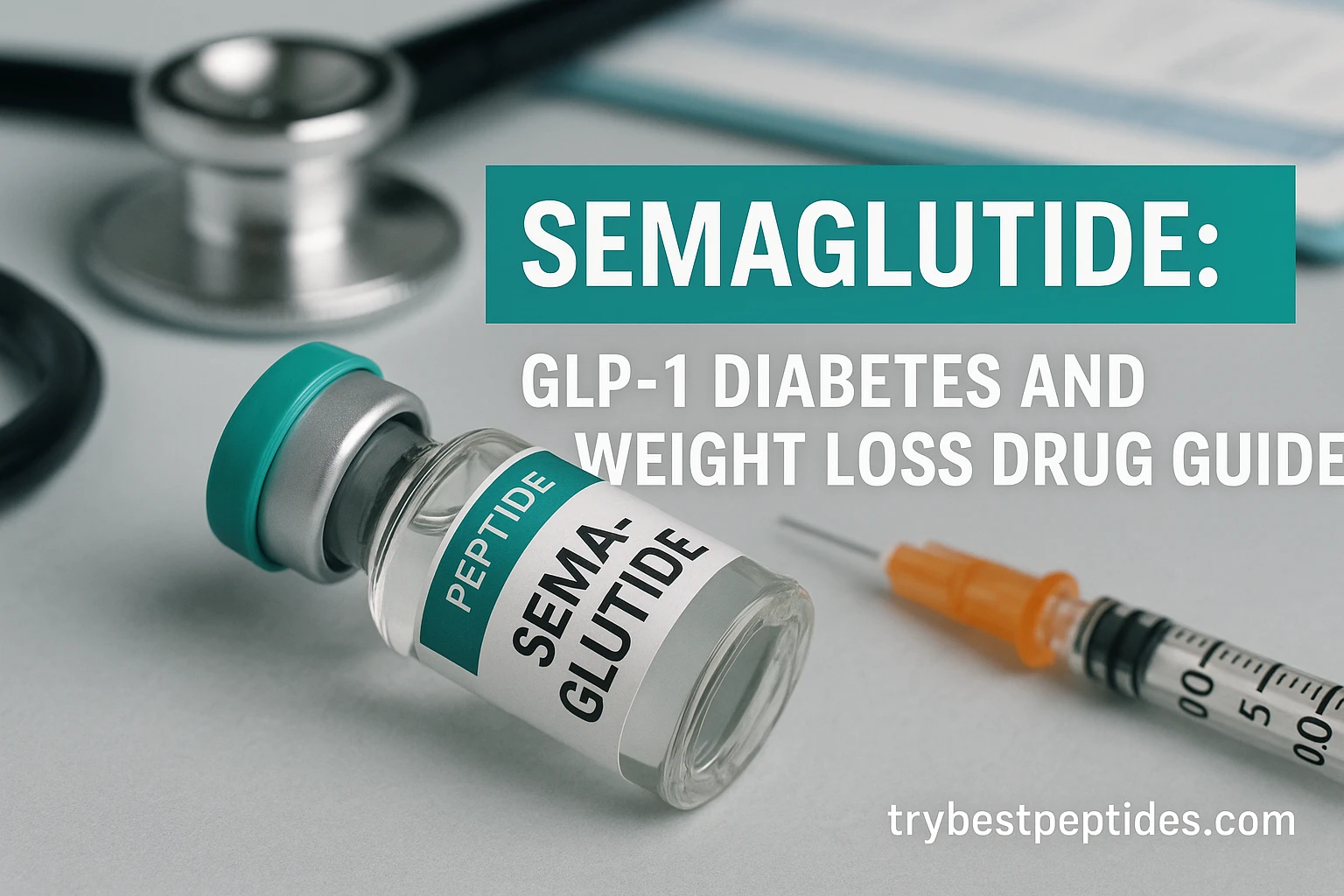
Semaglutide has emerged as one of the most significant pharmaceutical breakthroughs in recent years, transforming the treatment landscape for both type 2 diabetes and chronic weight management. This injectable medication belongs to a class of drugs known as GLP-1 receptor agonists, which work by mimicking the glucagon-like peptide-1 hormone naturally produced in the body. Originally developed and approved by regulatory authorities for diabetes management, semaglutide has gained widespread recognition following its remarkable effectiveness in clinical trials for weight loss. Available under brand names including Ozempic, Wegovy, and Rybelsus, this therapeutic peptide has captured the attention of healthcare providers and patients worldwide. Understanding how semaglutide works, its benefits, potential side effects, and appropriate usage is essential for anyone considering this treatment option.
What is Semaglutide and How Does It Work?
Semaglutide is a synthetic analog of the naturally occurring GLP-1 hormone, a peptide that plays a crucial role in regulating blood sugar levels and appetite. This glucagon-like peptide-1 receptor agonist functions through multiple mechanisms to achieve its therapeutic effects.
The Mechanism of Action
When administered, semaglutide binds to GLP-1 receptors in the pancreas, stimulating the release of insulin in response to elevated blood glucose levels. This process occurs in a glucose-dependent manner, meaning the medication only triggers insulin release when blood sugar is elevated, thereby reducing the risk of hypoglycemia—a dangerous drop in blood sugar that can occur with other diabetes medications.
Additionally, semaglutide slows gastric emptying, meaning food moves more slowly through the stomach into the small intestine. This delayed digestion extends feelings of fullness and satiety, naturally reducing overall calorie consumption. The medication also acts on appetite-regulating centers in the brain, further suppressing hunger signals and cravings.
Clinical Applications and FDA Approval Status
Semaglutide has received regulatory approval for multiple therapeutic indications, reflecting its versatility and clinical significance in modern medicine.
Type 2 Diabetes Management
The original indication for semaglutide was the treatment of type 2 diabetes mellitus in adults. Clinical trials demonstrated that this GLP-1 agonist effectively lowers HbA1c levels—a marker of average blood sugar control over several months—in patients who have not achieved adequate glycemic control through diet and exercise alone or other antidiabetic medications.
Chronic Weight Management
Perhaps more notably, semaglutide received FDA approval for chronic weight management in non-diabetic individuals who have obesity or are overweight with at least one weight-related comorbid condition. Clinical data showed that patients receiving semaglutide achieved significantly greater weight reduction compared to those receiving placebo, with some participants losing 15-22% of their initial body weight.
Other Research Applications
Ongoing research continues to investigate semaglutide's potential benefits in additional therapeutic areas, including cardiovascular disease prevention, metabolic syndrome, and polycystic ovary syndrome (PCOS). Early findings suggest promise, though these applications remain primarily investigational at present.
Available Formulations and Dosing
Semaglutide is available in multiple formulations to accommodate different patient preferences and clinical scenarios.
Injectable Formulations
The most commonly prescribed forms are once-weekly subcutaneous injections available as Ozempic (for diabetes) and Wegovy (for weight loss). These injectable versions deliver consistent, predictable dosing and have become the preferred choice for most patients due to their convenience and efficacy profile.
Oral Formulation
Rybelsus represents an oral formulation of semaglutide, offering an alternative for patients who prefer not to self-administer injections. However, the oral form has slightly lower bioavailability and requires specific administration instructions, including taking the medication on an empty stomach with limited water.
Dosing Protocols
Treatment typically begins with a low dose that is gradually increased over several weeks to minimize gastrointestinal side effects. Standard maintenance doses vary depending on the specific formulation and therapeutic indication, with healthcare providers tailoring dosing based on individual patient response and tolerance.
Benefits and Therapeutic Advantages
The pharmaceutical and clinical communities have embraced semaglutide due to its numerous advantages over existing treatment options.
Effective Blood Sugar Control: For diabetic patients, semaglutide provides superior glycemic control compared to many conventional antidiabetic medications, with the added benefit of potentially reducing cardiovascular risk.
Significant Weight Loss: The weight reduction achieved with semaglutide significantly exceeds what is typically observed with other currently available medications, making it a breakthrough option for individuals struggling with obesity.
Cardiovascular Benefits: Beyond glucose management, semaglutide has demonstrated cardiovascular protective effects in clinical trials, reducing the risk of major adverse cardiovascular events in patients with established cardiovascular disease.
Convenient Dosing Schedule: Once-weekly administration improves medication adherence compared to daily medications, supporting better long-term outcomes.
Favorable Metabolic Effects: The medication can improve various metabolic parameters, including lipid profiles and inflammatory markers, contributing to overall metabolic health improvement.
Potential Side Effects and Safety Considerations
While semaglutide offers substantial benefits, potential users should be aware of possible adverse reactions and safety considerations.
Common Side Effects
The most frequently reported side effects are gastrointestinal in nature, particularly during the dose-escalation phase. These include nausea, vomiting, diarrhea, and constipation. Most patients experience diminishing gastrointestinal symptoms as their body adjusts to the medication, though some may require dose adjustment or discontinuation.
Serious Adverse Effects
Rare but serious complications have been reported, including pancreatitis (inflammation of the pancreas), gallbladder disease, and thyroid-related issues. Patients with personal or family histories of medullary thyroid carcinoma or multiple endocrine neoplasia syndrome type 2 should avoid semaglutide.
Drug Interactions
Semaglutide may interact with certain medications, particularly those affecting gastrointestinal motility or medications that require rapid absorption. Healthcare providers should review all concurrent medications when initiating semaglutide therapy.
Post-Treatment Considerations
Upon discontinuation of semaglutide, patients often experience rapid weight regain and return of blood sugar levels to baseline. This underscores that semaglutide is most effective as part of comprehensive, long-term diabetes and weight management strategies rather than a temporary intervention.
Semaglutide in Clinical Practice
Healthcare providers have incorporated semaglutide into various treatment algorithms based on individual patient characteristics, comorbidities, and treatment goals.
For diabetic patients, semaglutide is particularly valuable in those with established cardiovascular disease or multiple cardiovascular risk factors, given the documented cardiovascular benefits. The medication is also attractive for patients seeking weight loss benefits alongside glycemic control, as obesity and diabetes frequently coexist.
In weight management practice, semaglutide has become a first-line pharmaceutical option for appropriate candidates who have not achieved sufficient weight loss through lifestyle modifications alone. The medication works best when combined with dietary changes, increased physical activity, and behavioral modifications that support long-term success.
Future Perspectives and Research Directions
The success of semaglutide has stimulated significant research interest in GLP-1 receptor agonists and related peptide therapeutics. Investigators continue to explore combination therapies, alternative delivery methods, and expanded clinical indications that may further enhance treatment outcomes.
Ongoing studies are examining semaglutide's potential in neurodegenerative diseases, fatty liver disease, and kidney disease prevention, suggesting that this medication's clinical relevance may extend well beyond its current approved indications.
Conclusion
Semaglutide represents a transformative advancement in the pharmacological management of both type 2 diabetes and chronic obesity. Its mechanism of action through GLP-1 receptor agonism provides dual benefits of improved glycemic control and substantial weight reduction, coupled with cardiovascular protective effects. While potential side effects require careful consideration and medical supervision, the clinical evidence supporting semaglutide's efficacy and safety profile has positioned it as a valuable therapeutic option.
The medication works optimally as part of comprehensive treatment strategies that include lifestyle modifications, behavioral support, and ongoing medical monitoring. As research continues to expand our understanding of GLP-1 receptor agonists, semaglutide will likely remain a cornerstone therapy in the management of metabolic diseases for years to come.
For individuals considering semaglutide therapy, consultation with qualified healthcare providers is essential to determine appropriateness, establish safe dosing protocols, and monitor therapeutic outcomes while minimizing adverse effects.
Key Takeaways
-
Mechanism: Semaglutide is a GLP-1 receptor agonist that improves insulin secretion, slows gastric emptying, and reduces appetite through brain-based mechanisms.
-
Dual Indication: FDA-approved for both type 2 diabetes management and chronic weight loss in non-diabetic obese or overweight individuals.
-
Formulations: Available as once-weekly injectable (Ozempic, Wegovy) and daily oral formulations (Rybelsus).
-
Weight Loss Efficacy: Clinical trials demonstrate 15-22% body weight reduction, significantly outperforming other weight management medications.
-
Cardiovascular Benefits: Documented protective effects against major adverse cardiovascular events in patients with established heart disease.
-
Side Effects: Primarily gastrointestinal (nausea, vomiting, diarrhea), generally diminishing with continued use; rare serious complications require monitoring.
-
Long-term Management: Most effective as sustained therapy combined with lifestyle modifications; weight regain occurs upon discontinuation.
-
Contraindications: Avoid in patients with personal or family history of medullary thyroid carcinoma or multiple endocrine neoplasia syndrome type 2.
-