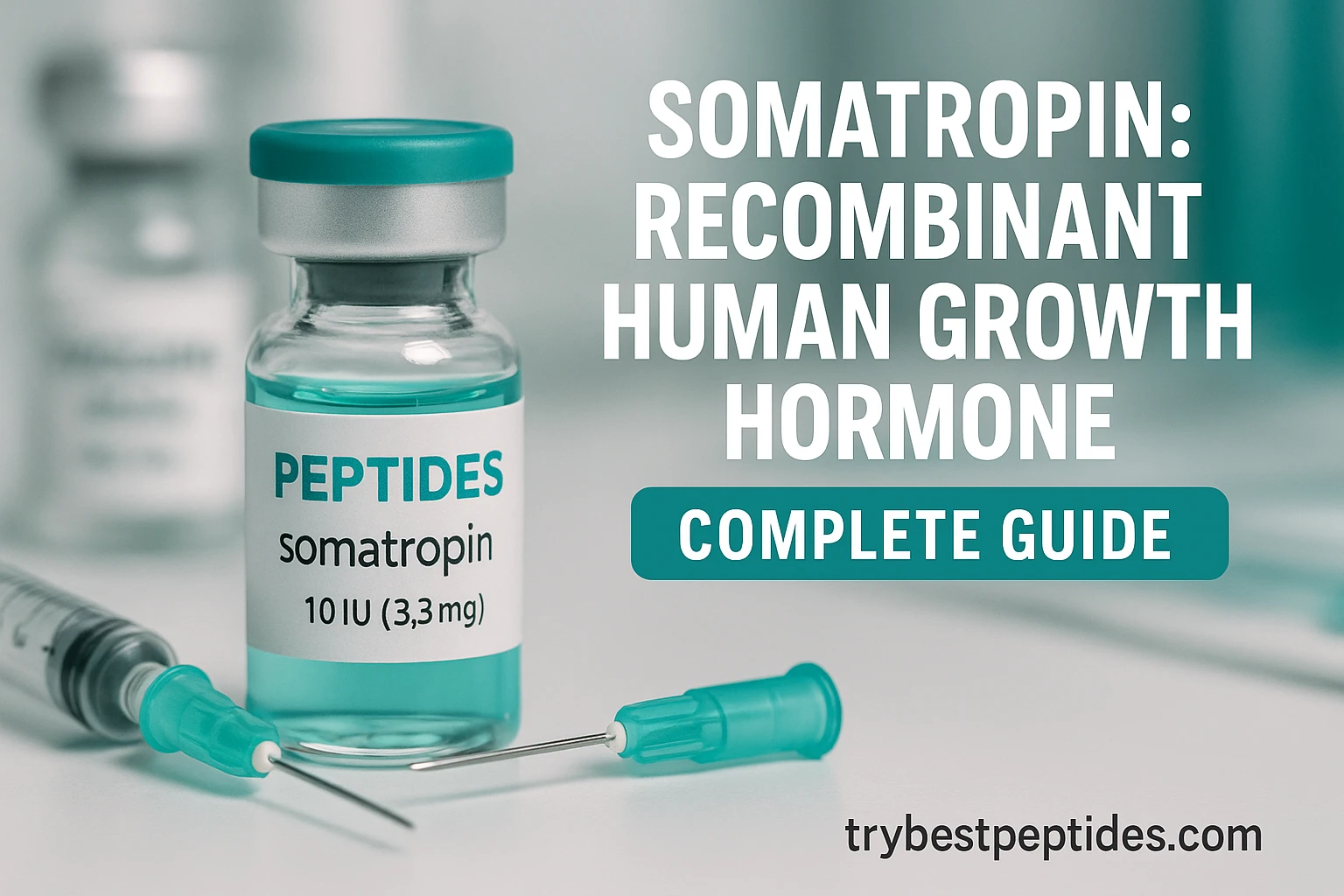
Somatropin represents a significant breakthrough in therapeutic medicine, offering a synthetic version of the human growth hormone that plays a crucial role in body development and metabolic regulation. This recombinant protein is manufactured through advanced biotechnology, allowing medical professionals to address growth deficiencies and various health conditions with precision and consistency. Whether you're exploring treatment options, conducting medical research, or simply seeking to understand this important therapeutic agent, this comprehensive guide provides essential information about somatropin's composition, applications, mechanisms, and clinical significance in modern healthcare.
What Is Somatropin?
Somatropin is a recombinant human growth hormone (rhGH) synthesized through genetic engineering and biotechnology. Unlike traditional extraction methods that sourced growth hormone from cadavers, somatropin is produced by inserting human growth hormone genes into bacterial or mammalian cell cultures. This modern production method ensures consistent purity, safety, and supply reliability.
The hormone is chemically identical to the naturally occurring growth hormone produced by the human anterior pituitary gland. It contains 191 amino acids and functions as a peptide hormone responsible for numerous physiological processes throughout the body. The development of somatropin revolutionized hormone replacement therapy and treatment protocols for growth-related disorders.
Mechanism of Action and Biological Function
Somatropin operates through a complex system of endocrine signaling that influences multiple body systems simultaneously. When administered, the hormone binds to specific growth hormone receptors located throughout the body, triggering a cascade of biochemical responses.
Direct Effects on Target Tissues
The primary mechanism involves direct stimulation of growth hormone receptors on cell membranes. This binding initiates cellular responses that promote protein synthesis, increase cellular metabolism, and enhance nutrient utilization. Somatropin particularly affects muscle tissue, bone, and connective tissue, driving anabolic effects that support growth and tissue repair.
Insulin-Like Growth Factor Production
One of somatropin's most important functions involves stimulating the liver to produce insulin-like growth factor-1 (IGF-1). IGF-1 mediates many of the growth-promoting effects attributed to growth hormone, including bone elongation, muscle development, and overall body growth. This indirect mechanism through IGF-1 production represents a critical component of how somatropin generates therapeutic benefits.
Clinical Applications and Therapeutic Uses
Somatropin has earned FDA approval for numerous medical conditions, establishing itself as a cornerstone therapy in endocrinology and related specialties.
Growth Hormone Deficiency in Children
One of the primary indications for somatropin therapy involves treating children with growth hormone deficiency (GHD). Children with this condition experience significantly reduced growth rates and may face serious developmental complications. Somatropin replacement therapy normalizes growth velocity, allows children to reach appropriate adult height, and prevents associated metabolic complications. Long-term studies demonstrate substantial improvements in quality of life and psychosocial outcomes when treatment begins early.
Growth Hormone Deficiency in Adults
Adult-onset growth hormone deficiency represents another significant indication. Adults with GHD often experience reduced muscle mass, increased adiposity, diminished exercise capacity, and altered metabolic function. Somatropin therapy in this population improves body composition, enhances cardiovascular fitness, and restores metabolic parameters toward normal ranges.
Turner Syndrome and Chronic Kidney Disease
Somatropin demonstrates efficacy in Turner syndrome, a chromosomal condition affecting female development and growth. Girls with this condition benefit from somatropin therapy, which promotes linear growth and improved final adult height. Additionally, children with chronic kidney disease experience growth retardation; somatropin therapy helps counteract the growth-suppressive effects of renal dysfunction.
Short Bowel Syndrome and Cachexia
In patients with short bowel syndrome, somatropin enhances intestinal absorption and promotes tissue healing. The hormone also shows promise in treating cachexia associated with HIV/AIDS and other wasting conditions, helping patients maintain muscle mass and body weight.
Administration and Dosing Considerations
Proper administration of somatropin requires careful medical supervision and individualized dosing protocols. The hormone is administered via subcutaneous injection, typically performed by patients themselves after appropriate training. Dosing varies considerably based on patient age, body weight, specific diagnosis, and individual response patterns.
Treatment typically begins with lower doses that gradually increase during an initiation phase, allowing the body to adjust while minimizing adverse effects. Maintenance doses are then established based on clinical response and tolerance. Regular monitoring through blood tests assessing IGF-1 levels and glucose metabolism helps ensure optimal therapeutic effects while maintaining safety margins.
Safety Profile and Potential Side Effects
Like all therapeutic agents, somatropin carries potential risks and side effects requiring careful consideration. Understanding these effects helps patients and healthcare providers make informed treatment decisions.
Common Side Effects
Mild adverse effects may include injection site reactions, headaches, fluid retention, and joint discomfort. These effects typically diminish as the body adjusts to treatment. Mild hyperglycemia or glucose intolerance can occur, particularly in patients with underlying metabolic risk factors.
Serious Considerations
Rare but serious complications include intracranial hypertension (increased brain pressure), particularly in children with rapid growth resumption. Patients with active malignancy should generally avoid somatropin therapy, as growth hormone may theoretically promote tumor growth. Careful screening and monitoring protocols minimize these risks in clinical practice.
Monitoring and Patient Management
Successful somatropin therapy requires ongoing medical supervision and regular assessment. Healthcare providers monitor IGF-1 levels, glucose metabolism, and growth velocity in children. Periodic imaging studies may assess bone development and maturation. This comprehensive monitoring approach ensures therapeutic benefits while promptly identifying and managing any emerging complications.
Comparative Advantages of Recombinant Somatropin
The development of recombinant somatropin offered remarkable advantages over earlier treatment approaches. Prior to recombinant technology, growth hormone derived from human cadavers carried risks of contamination and infectious disease transmission. The finite supply severely limited treatment availability. Recombinant somatropin eliminated these dangers through its synthetic production method, ensuring consistent purity and unlimited supply. This technological advancement transformed growth hormone therapy from a scarce resource into an accessible therapeutic option.
Future Directions and Emerging Research
Contemporary research continues exploring new applications and improved formulations of somatropin. Extended-release formulations under development may reduce injection frequency, improving patient compliance and convenience. Researchers investigate potential benefits in age-related decline of growth hormone, sarcopenia in elderly populations, and recovery from severe illness or trauma.
Key Takeaways
-
Definition: Somatropin is a recombinant human growth hormone produced through biotechnology, containing 191 amino acids identical to naturally occurring growth hormone.
-
Mechanism: The hormone works through direct receptor binding and stimulation of insulin-like growth factor-1 (IGF-1) production, promoting growth and metabolic effects throughout the body.
-
Clinical Uses: FDA-approved applications include growth hormone deficiency in children and adults, Turner syndrome, chronic kidney disease, short bowel syndrome, and cachexia associated with serious illnesses.
-
Administration: Delivered via subcutaneous injection with individualized dosing protocols requiring regular medical monitoring and adjustment.
-
Safety Profile: Generally well-tolerated with mild side effects like injection site reactions; serious complications are rare but require careful patient selection and monitoring.
-
Advantages: Recombinant production ensures safety, purity, and consistent supply compared to earlier cadaver-derived sources.
-
Monitoring: Successful therapy requires ongoing assessment of IGF-1 levels, glucose metabolism, and clinical response through regular healthcare provider contact.
-
Future Potential: Emerging research explores extended-release formulations and applications in age-related conditions, expanding therapeutic possibilities.
-