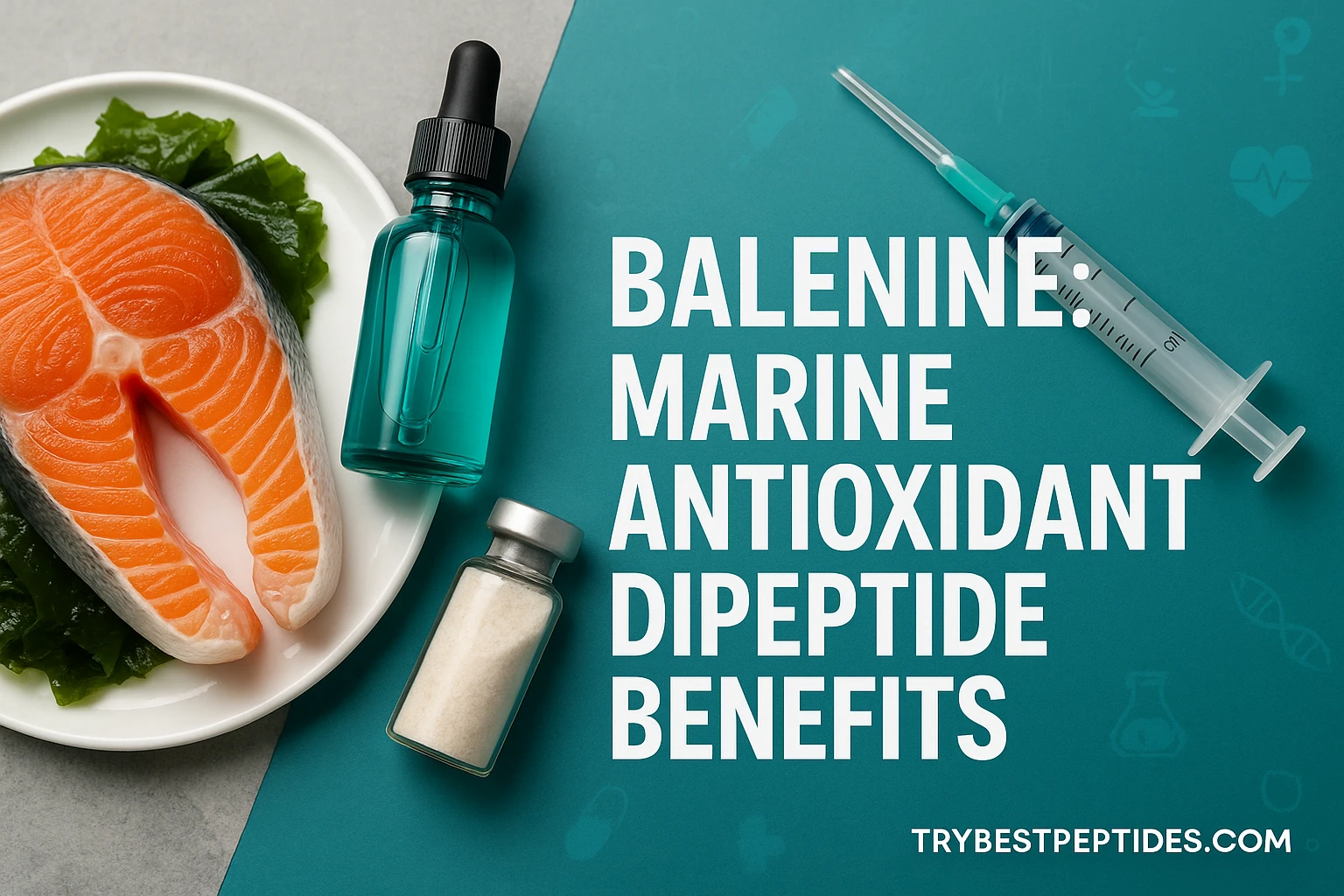
Balenine represents a fascinating compound emerging from marine biology research that demonstrates remarkable antioxidant properties. This naturally occurring dipeptide, composed of beta-alanine and histamine, is primarily found in the muscle tissues of marine mammals and fish species. As researchers continue to explore the therapeutic potential of bioactive peptides, balenine has garnered increasing attention for its ability to combat oxidative stress and support cellular health. Unlike synthetic alternatives, balenine offers a naturally-derived solution that harnesses the power of the ocean's biochemistry. This comprehensive guide examines balenine's molecular structure, biological functions, sources, and potential applications in health and wellness.
What Is Balenine?
Balenine is a naturally occurring dipeptide—a molecule composed of two amino acids—specifically consisting of beta-alanine linked to histamine. The name derives from its initial discovery in whale muscle tissue, though subsequent research has revealed its presence across various marine organisms. Structurally, balenine belongs to the imidazole-containing peptide family, which grants it distinctive biochemical properties unavailable in many other compounds.
The compound functions as a potent intracellular buffer and antioxidant, protecting cells from the damaging effects of free radicals and oxidative stress. Marine organisms accumulate balenine naturally through their metabolic processes, suggesting evolutionary advantages in high-oxygen aquatic environments. This natural prevalence in marine species underscores the compound's biological significance and potential therapeutic applications for human health.
Balenine differs from the more commonly studied carnosine and anserine dipeptides, though all three share similar structural frameworks and antioxidant mechanisms. Understanding these distinctions helps researchers and health enthusiasts appreciate balenine's unique position within peptide chemistry.
Natural Sources and Distribution
Balenine occurs predominantly in marine ecosystems, with the highest concentrations found in muscle tissues of marine mammals and fish. Whales, dolphins, and other cetaceans contain substantial balenine levels—a adaptation likely linked to their deep-diving physiology and high metabolic demands. Commercial fish species, particularly those inhabiting deep ocean waters, also accumulate significant balenine quantities.
The distribution pattern suggests that balenine serves specific physiological functions in aquatic environments. Cold-water fish species generally exhibit higher balenine concentrations than temperate-water varieties, indicating a potential relationship with temperature regulation and metabolic efficiency. This natural distribution has led researchers to investigate whether similar benefits might apply to terrestrial organisms, including humans.
Traditional marine-based dietary practices in coastal populations may have provided incidental balenine consumption through fish and seafood consumption. Modern isolation and extraction techniques now enable concentrated balenine supplements, making this marine compound accessible beyond traditional dietary sources.
Biochemical Mechanisms and Antioxidant Action
Balenine's antioxidant potency stems from its imidazole ring structure, inherited from its histamine component. This molecular architecture enables balenine to effectively scavenge harmful free radicals and reactive oxygen species (ROS) that accumulate during normal cellular metabolism and in response to environmental stressors.
The compound operates through multiple protective mechanisms:
Free Radical Neutralization: The imidazole group directly reacts with oxidizing agents, preventing them from damaging cellular components including lipids, proteins, and DNA.
Metal Chelation: Balenine binds transition metals like iron and copper, which otherwise catalyze harmful free radical formation through Fenton-type reactions.
Inflammation Modulation: By reducing oxidative stress, balenine indirectly suppresses inflammatory signaling pathways, creating a systemic anti-inflammatory effect.
Cellular pH Buffering: Similar to carnosine, balenine helps maintain optimal intracellular pH, supporting enzyme function and metabolic efficiency.
These mechanisms work synergistically to protect cells from oxidative damage, distinguishing balenine as a multifaceted protective compound rather than a single-action antioxidant.
Potential Health Applications
Research into balenine's therapeutic applications continues to expand, with promising findings across several health domains. While human clinical trials remain limited compared to animal and in vitro studies, available evidence suggests meaningful potential.
Cellular Protection and Longevity
Balenine's antioxidant capacity may support cellular longevity by reducing cumulative oxidative damage. This protective effect could theoretically contribute to slower aging processes and maintenance of cellular function throughout the lifespan. The compound's presence in long-lived marine species hints at possible longevity-supporting properties.
Muscle Health and Performance
Athletes and fitness enthusiasts show interest in balenine for potential muscle-protective benefits. The compound's concentration in marine muscle tissue suggests involvement in maintaining muscle integrity and function. Some evidence indicates that balenine supplementation might support muscle resilience during intense physical training.
Neurological Protection
The blood-brain barrier permits passage of small peptides like balenine, enabling potential neuroprotective effects. Preliminary research suggests balenine may help protect neuronal tissue from oxidative stress, with possible implications for cognitive health and neurodegenerative disease prevention.
Cardiovascular Support
By reducing oxidative stress in vascular tissues, balenine may contribute to cardiovascular health maintenance. The compound's ability to limit LDL oxidation—a key factor in atherosclerosis development—represents a particularly valuable mechanism for heart health.
Balenine vs. Similar Peptides
Understanding how balenine compares to related compounds like carnosine and anserine helps contextualize its unique properties and potential advantages.
Carnosine (beta-alanyl-L-histidine) represents the most structurally similar compound and serves as the foundation for both anserine and balenine. While carnosine is abundant in mammalian muscle tissue, balenine's marine origin and specific environmental adaptations may confer distinct benefits.
Anserine (beta-alanyl-1-methyl-L-histidine), found primarily in bird and fish muscle tissues, differs from balenine through methylation of the histidine component. This structural variation results in different tissue distributions and potentially divergent biological activities.
Balenine occupies a distinct ecological niche, concentrated in marine organisms exposed to unique environmental pressures. This specialization suggests that balenine may offer benefits not replicated by terrestrial-derived peptides, making it a valuable addition to the antioxidant peptide family.
Current Research and Evidence
Scientific investigation into balenine remains in earlier phases compared to carnosine research, yet emerging studies demonstrate compelling biological activity. Marine biology research has consistently documented balenine's presence across diverse species, establishing its natural occurrence and suggesting evolutionary significance.
Laboratory investigations reveal balenine's effectiveness in neutralizing multiple free radical species and protecting cellular components from oxidative damage. Cell culture studies show protective effects on various cell types exposed to oxidative stress, supporting theoretical health applications.
Animal model research has begun exploring balenine's potential in conditions related to oxidative stress, with preliminary results suggesting promise in several areas. However, the translation from animal models to human application remains an ongoing process requiring additional clinical research.
Supplementation and Bioavailability
As balenine supplements emerge in the marketplace, understanding bioavailability becomes important for consumers and practitioners. The compound's small molecular size and peptide structure typically permit adequate gastrointestinal absorption, though individual factors may influence bioavailability.
Consumption with food may enhance absorption through various mechanisms, while certain digestive conditions might compromise balenine uptake. Storage conditions and product quality significantly influence balenine stability and effectiveness, making sourcing from reputable manufacturers important.
Typical supplemental doses remain under investigation, with recommendations varying based on intended application and individual health status. Consulting qualified healthcare providers before beginning balenine supplementation remains advisable, particularly for individuals taking medications or managing health conditions.
Safety Considerations and Future Directions
Available safety data suggests balenine presents a favorable safety profile, consistent with other naturally-derived peptide compounds. However, comprehensive human safety studies remain limited, warranting a precautionary approach until additional research emerges.
Individuals with histamine sensitivity or certain genetic conditions affecting amino acid metabolism should exercise particular caution with balenine supplementation, given its histamine component. Pregnant and nursing women should avoid supplementation pending additional safety research.
Future research directions include comprehensive human clinical trials, investigation of optimal dosing strategies, and exploration of balenine's potential in specific health conditions. Combination studies examining balenine with other antioxidant compounds may reveal synergistic effects worthy of therapeutic application.
Conclusion
Balenine represents a genuinely promising bioactive compound derived from marine sources, offering antioxidant and protective properties grounded in solid biochemical principles. While human clinical research remains in early phases, the compound's natural prevalence in marine organisms, combined with encouraging preliminary studies, suggests meaningful potential for cellular protection and health support.
The marine origin of balenine connects modern health optimization to oceanic biochemistry, leveraging millions of years of evolutionary refinement. As research expands and supplemental options become more available, balenine deserves recognition as a valuable addition to the antioxidant peptide category—particularly for individuals seeking naturally-derived compounds with multifaceted protective mechanisms.
Further investigation into balenine's therapeutic applications will undoubtedly reveal additional health benefits and establish evidence-based protocols for supplementation. For now, balenine stands as an intriguing example of how marine biology research continues enriching our understanding of bioactive compounds and their potential contributions to human health and longevity.
Key Takeaways
-
Marine Origin: Balenine is a naturally occurring dipeptide primarily found in marine mammal and fish muscle tissue, offering a ocean-derived antioxidant compound.
-
Dual-Action Antioxidant: The compound neutralizes free radicals through multiple mechanisms including direct ROS scavenging, metal chelation, and cellular pH buffering.
-
Cellular Protection: Balenine may support muscle health, neurological function, cardiovascular integrity, and cellular longevity through oxidative stress reduction.
-
Distinct Profile: Unlike carnosine and anserine, balenine's unique marine concentration pattern suggests specialized adaptations relevant to human health applications.
-
Research Potential: While human clinical trials remain limited, preliminary evidence supports further investigation into balenine's therapeutic applications and optimal dosing strategies.
-
Supplement Availability: Modern extraction techniques make balenine accessible as a concentrated supplement, though quality sourcing and individual consultation remain important considerations.
-