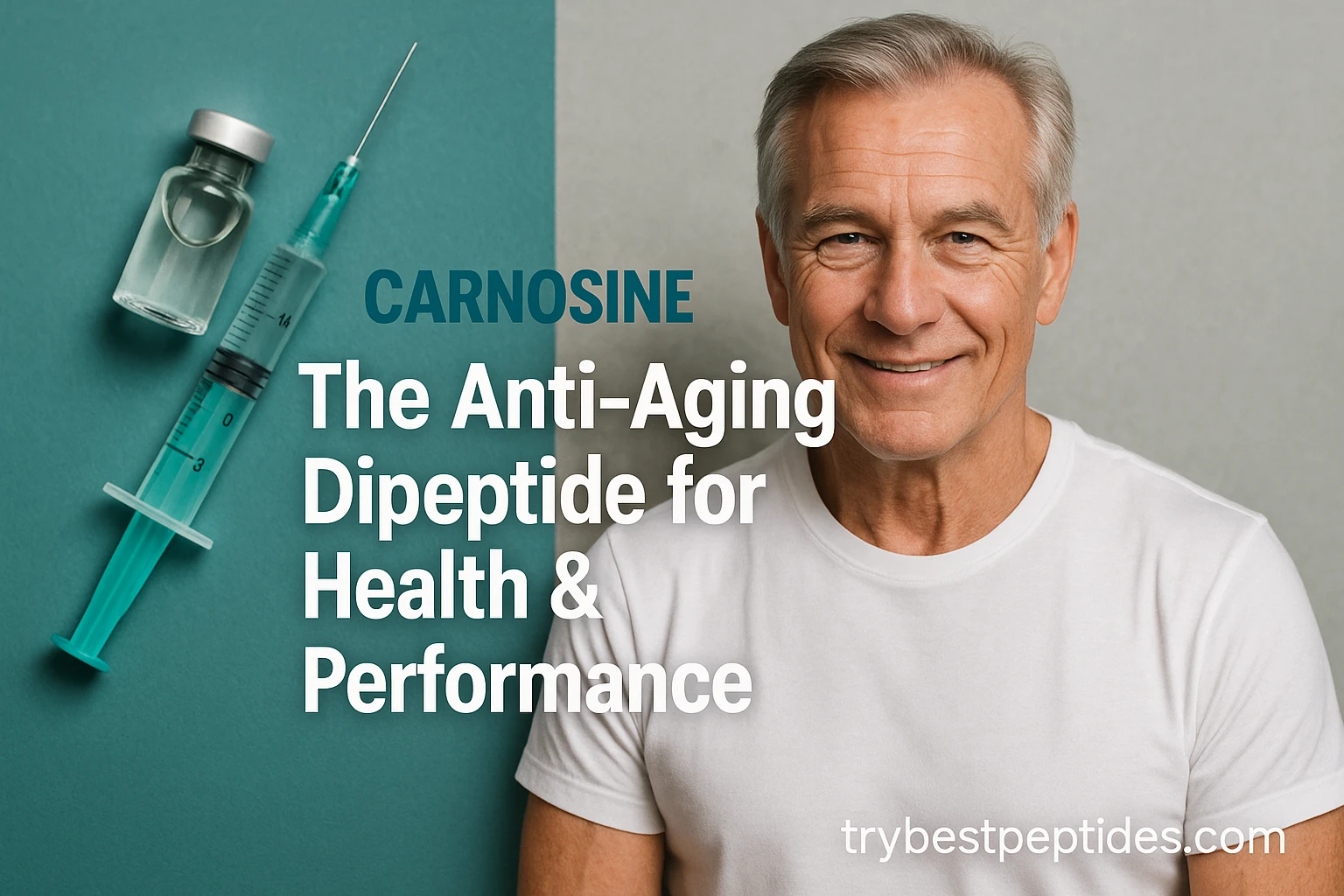
Carnosine is a naturally occurring dipeptide compound composed of two amino acids: beta-alanine and histidine. Found predominantly in muscle tissues and the brain, this powerful molecule has gained significant attention in the scientific and wellness communities for its remarkable anti-aging properties. Over the past two decades, extensive research has demonstrated that carnosine plays a crucial role in combating oxidative stress, reducing inflammation, and protecting cellular structures from age-related damage. Whether you're an athlete seeking enhanced performance, someone interested in longevity, or simply curious about cutting-edge anti-aging strategies, understanding carnosine's mechanisms and benefits can provide valuable insights into optimizing your health and maintaining vitality throughout your life.
What Is Carnosine and How Does It Work?
Carnosine is a dipeptide, meaning it consists of two amino acid molecules bonded together. Specifically, it combines beta-alanine with histidine, creating a compound that has been studied extensively for nearly a century. The body naturally synthesizes carnosine, particularly in muscle fibers and neural tissues, where it accumulates to high concentrations.
The primary mechanism through which carnosine exerts its beneficial effects involves its potent antioxidant and antiglycation properties. Glycation is a non-enzymatic process where sugars bind to proteins, creating harmful advanced glycation end products (AGEs). These AGEs are major contributors to aging and various age-related diseases. Carnosine acts as a "molecular buffer," preventing the formation of these damaging compounds and neutralizing free radicals that would otherwise cause cellular deterioration.
Additionally, carnosine functions as an intracellular pH regulator, helping maintain optimal acid-base balance within muscle cells. This buffering capacity is particularly important during intense physical activity, when metabolic byproducts accumulate and can impair performance. By maintaining proper pH levels, carnosine supports both muscular efficiency and cellular health.
The Anti-Aging Benefits of Carnosine
Cellular Protection and Longevity
The anti-aging properties of carnosine extend far beyond surface-level cosmetic benefits. At the cellular level, carnosine protects against oxidative damage that accumulates over time and accelerates aging. Oxidative stress occurs when free radicals outnumber antioxidants in the body, leading to DNA damage, mitochondrial dysfunction, and cellular senescence.
Research demonstrates that carnosine can cross the blood-brain barrier, making it uniquely capable of protecting neural tissue from age-related cognitive decline. This neuroprotective effect is particularly significant, as the brain is especially vulnerable to oxidative damage due to its high metabolic demands and relatively low antioxidant capacity compared to other organs.
Skin Health and Appearance
Carnosine's antiglycation properties have direct implications for skin health. By preventing the formation of AGEs in collagen and elastin fibers, carnosine helps maintain skin elasticity, firmness, and overall structural integrity. Many individuals using carnosine supplements report improvements in skin texture, reduced appearance of fine lines, and enhanced skin radiance.
The compound also supports the skin's natural repair mechanisms, promoting collagen synthesis and protecting against photoaging—the premature aging caused by ultraviolet radiation exposure. This makes carnosine particularly valuable for those concerned with maintaining youthful skin appearance naturally.
Athletic Performance and Muscle Function
Enhanced Endurance and Power Output
For athletes and fitness enthusiasts, carnosine offers tangible performance benefits. The compound's pH-buffering capacity allows muscles to maintain optimal pH during intense exercise, delaying the accumulation of lactate and hydrogen ions that cause muscle fatigue and the characteristic burning sensation during high-intensity work.
Studies have shown that individuals with higher carnosine levels in their muscles demonstrate improved endurance capacity, particularly in high-intensity interval training and sustained anaerobic efforts. This is why athletes competing in sports requiring explosive power—such as sprinting, weightlifting, and rowing—may derive particular benefit from carnosine supplementation.
Recovery and Muscle Adaptation
Beyond immediate performance enhancement, carnosine supports the recovery process following intense training. By reducing oxidative stress and inflammation in muscle tissue, carnosine facilitates faster recovery between workouts and may enhance training adaptations. This means athletes can maintain training consistency and intensity without excessive fatigue accumulation.
The compound also supports muscle growth signaling pathways, working synergistically with resistance training to promote lean muscle development and prevent age-related muscle loss (sarcopenia).
Cognitive Function and Brain Health
The brain's vulnerability to oxidative damage and the accumulation of AGEs makes carnosine particularly relevant for cognitive health. Research indicates that carnosine levels naturally decline with age, contributing to age-related cognitive decline and potentially increasing the risk of neurodegenerative conditions.
By maintaining adequate carnosine levels through supplementation, individuals may support memory formation, mental clarity, and overall cognitive function. Some studies suggest carnosine's neuroprotective effects may have implications for conditions characterized by neuroinflammation and oxidative stress in the brain, though more research is ongoing.
Carnosine Supplementation: What You Should Know
Natural Sources
Carnosine is found primarily in animal products, particularly in muscle meat such as beef, poultry, and fish. Vegetarians and vegans have significantly lower dietary carnosine intake, as the compound is virtually absent in plant-based foods. This dietary difference may explain some performance variations observed between omnivorous and plant-based athletes.
However, dietary carnosine must be hydrolyzed (broken down) in the digestive system before absorption. While some carnosine reaches the bloodstream through this process, oral supplementation with carnosine itself may provide more reliable and substantial increases in systemic levels.
Supplementation Forms
Carnosine is available as a dietary supplement in several forms, with L-carnosine being the most common. Dosages typically range from 500 mg to 2,000 mg daily, divided into multiple doses for optimal absorption. Some individuals prefer beta-alanine supplementation, which the body can use to synthesize carnosine endogenously, though this approach requires consistent supplementation over weeks to build tissue carnosine levels.
Safety and Considerations
Carnosine is generally well-tolerated with an excellent safety profile. Clinical trials have demonstrated minimal adverse effects even at high doses. However, individuals with certain genetic conditions, such as carnosinemia (a rare genetic disorder affecting carnosine metabolism), should avoid supplementation without medical supervision.
Pregnant and nursing women should consult healthcare providers before beginning carnosine supplementation, as research specifically addressing safety during these periods remains limited.
The Science Behind Carnosine's Effectiveness
Multiple peer-reviewed studies support carnosine's efficacy across various domains. In vitro studies demonstrate its antioxidant capacity and ability to prevent glycation reactions. Animal models show improvements in lifespan and healthspan markers with carnosine supplementation. Human clinical trials, while still growing in number, consistently show benefits for athletic performance, muscle health, and markers of cellular aging.
The bioavailability of oral carnosine was previously questioned, as some research suggested the compound might be rapidly metabolized before absorption. However, more recent studies using stable isotope labeling have confirmed that meaningful quantities of intact carnosine can reach systemic circulation and accumulate in tissues.
Conclusion
Carnosine represents a compelling option for anyone interested in supporting healthy aging, optimizing athletic performance, or maintaining cognitive vitality. This naturally occurring dipeptide addresses multiple biological mechanisms underlying age-related decline, from oxidative stress and glycation to muscle fatigue and neuroinflammation. While the research continues to evolve, current evidence suggests that supplementing with carnosine—combined with a healthy lifestyle incorporating proper nutrition, exercise, and stress management—may contribute meaningfully to longevity and quality of life.
Whether you're an elite athlete seeking competitive advantages, someone concerned with healthy aging, or simply interested in cellular optimization, carnosine offers a scientifically-supported approach to supporting your body's fundamental health processes.
Key Takeaways
-
Carnosine is a dipeptide composed of beta-alanine and histidine, naturally synthesized in the body and concentrated in muscle and brain tissue.
-
Anti-aging properties stem from carnosine's ability to prevent advanced glycation end products and neutralize free radicals.
-
Athletic benefits include improved endurance, delayed muscle fatigue, enhanced recovery, and optimized muscle adaptation to training.
-
Cognitive support through neuroprotection and oxidative stress reduction may help maintain mental clarity and memory.
-
Natural sources are primarily animal-based, making supplementation important for plant-based individuals.
-
Safe and well-tolerated with minimal side effects at recommended dosages (500-2,000 mg daily).
-
Evidence-based approach combines carnosine with proper nutrition, exercise, and lifestyle practices for optimal results.
-