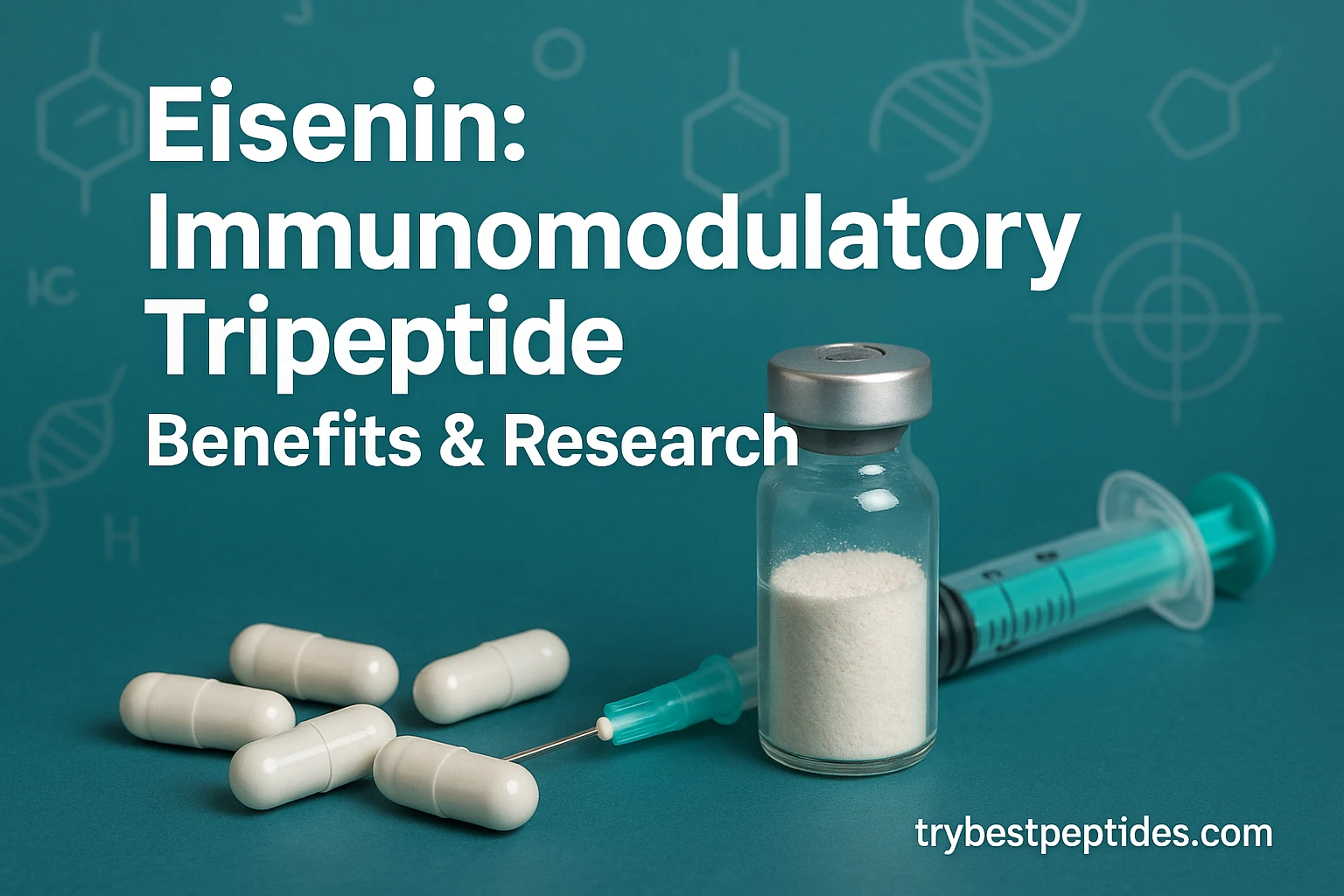
Eisenin represents a significant advancement in peptide research, functioning as a specialized tripeptide with remarkable immunomodulatory properties. This naturally occurring compound has garnered considerable attention from the scientific community due to its potential applications in supporting immune system function and overall wellness. Understanding the mechanisms and characteristics of eisenin is essential for researchers, healthcare professionals, and individuals interested in cutting-edge peptide therapeutics. This comprehensive guide explores the structure, function, benefits, and research surrounding this innovative tripeptide, providing valuable insights into how it works within the body's complex immune system.
What is Eisenin?
Eisenin is a tripeptide—a short chain of three amino acids—classified as an immunomodulatory compound. Its molecular composition makes it unique among peptides, allowing it to interact with the body's immune response mechanisms in specific and beneficial ways. Unlike larger proteins, tripeptides like eisenin have the advantage of being small enough for efficient absorption while remaining large enough to exert meaningful biological effects.
The structure of eisenin is carefully balanced, enabling it to cross biological barriers more effectively than many other peptides. This bioavailability makes it a particularly attractive candidate for therapeutic development and supplementation. Researchers have identified eisenin in various natural sources, though modern synthesis techniques now allow for consistent, high-purity production suitable for clinical research and potential therapeutic applications.
How Does Eisenin Work?
The immunomodulatory action of eisenin involves several sophisticated biological pathways. Rather than simply stimulating or suppressing immune activity, eisenin appears to help regulate and balance immune responses, making it what researchers call an "immunomodulator" rather than a simple immune stimulant.
Mechanisms of Action
Eisenin interacts with immune cells through specific receptor binding. When administered, the tripeptide engages with cellular recognition sites that influence how immune cells communicate and coordinate their responses. This interaction helps facilitate proper immune system signaling, potentially enhancing the body's ability to recognize and respond to threats while maintaining immune homeostasis.
The peptide's ability to modulate cytokine production represents another crucial aspect of its function. Cytokines are signaling molecules that regulate immune cell behavior. By influencing cytokine levels, eisenin may help optimize the immune response—neither overreacting nor underreacting to challenges. This balanced approach is particularly valuable because excessive immune activation can cause inflammation and tissue damage, while insufficient responses leave the body vulnerable.
Cellular Interactions
At the cellular level, eisenin promotes communication between different immune cell populations. It may enhance the activity of regulatory T cells, which are essential for preventing excessive immune responses and maintaining immune tolerance. This function helps explain why eisenin is classified as an immunomodulator rather than simply an immune booster.
Research and Scientific Evidence
Contemporary peptide research has generated promising preliminary data regarding eisenin's potential applications. While the field remains active and evolving, several studies have examined the tripeptide's effects on immune markers and cellular function.
Current Research Findings
Laboratory investigations suggest that eisenin can influence the expression of various immune markers, potentially supporting the body's natural defense mechanisms. In vitro studies have demonstrated that the tripeptide affects immune cell proliferation and differentiation, indicating its potential to refine immune responses.
Animal model research has provided additional insights into eisenin's mechanisms. These studies have examined how the tripeptide affects systemic immune parameters, inflammatory markers, and immune cell populations. Results generally support the immunomodulatory classification, showing that eisenin promotes balanced rather than uniformly enhanced immune activation.
Clinical Potential
The tripeptide shows potential for various clinical applications, including support for immune function during periods of stress or immune challenge. Researchers are investigating eisenin's role in promoting resilience of immune responses and potentially supporting faster immune recovery following infection or immune stressors.
Benefits and Applications
The immunomodulatory properties of eisenin suggest multiple potential applications in health and wellness contexts. Understanding these benefits helps explain the growing interest in tripeptide-based therapeutics.
Immune System Support
Eisenin's primary benefit relates to its ability to support appropriate immune functioning. By promoting balanced immune responses, the tripeptide may help the body respond more effectively to various challenges. This support extends beyond simple activation, instead focusing on optimization and coordination of immune responses.
Potential Wellness Applications
Beyond direct immune support, eisenin's immunomodulatory effects may have broader wellness implications. Proper immune regulation supports numerous physiological processes, including cardiovascular health, cognitive function, and metabolic balance. As immune dysregulation often underlies various age-related conditions, compounds like eisenin that promote immune homeostasis may have wide-ranging health significance.
Research and Development Interest
Pharmaceutical and nutraceutical companies have expressed considerable interest in eisenin for product development. The tripeptide's favorable properties—good bioavailability, specific biological activity, and apparent safety profile—make it an attractive candidate for therapeutic development across multiple indication areas.
Safety and Bioavailability
Understanding the safety and absorption characteristics of eisenin is essential for both clinical and consumer applications.
Bioavailability Characteristics
As a tripeptide, eisenin benefits from favorable absorption characteristics. Its small size allows effective penetration of the gastrointestinal barrier, while its structure provides sufficient stability for meaningful biological activity. This combination of properties makes eisenin more practically applicable than many larger peptide molecules.
The peptide appears to resist immediate enzymatic degradation in the digestive system, suggesting that oral administration may be viable for certain applications. This property distinguishes eisenin from many larger peptides that require injection or specialized delivery systems.
Safety Profile
Preliminary safety data suggests eisenin is well-tolerated. As a naturally occurring tripeptide, its molecular components—amino acids—are normal metabolic substrates recognized by the body's systems. This natural origin contributes to a favorable safety profile, though ongoing research continues to characterize the compound's comprehensive safety parameters.
Eisenin in Clinical Practice and Research
The application of eisenin in research and potential clinical settings involves specific protocols and considerations.
Research Applications
Immunologists and peptide researchers utilize eisenin to investigate fundamental immune system mechanisms. The tripeptide serves as a valuable tool for understanding how specific molecular sequences influence immune cell behavior and systemic immune function. This research contributes to broader understanding of immunomodulation principles applicable to other therapeutic candidates.
Development Prospects
Multiple research institutions and biotechnology companies are pursuing eisenin development for therapeutic applications. Clinical trial planning and regulatory pathway evaluation are ongoing for various indication areas. These developments suggest that eisenin may transition from a research compound to a clinically available therapeutic within the coming years.
Comparison with Other Immunomodulatory Peptides
The peptide field includes numerous other compounds with immune-supporting properties. Eisenin's specific characteristics merit comparison with related molecules.
Eisenin distinguishes itself through its particular amino acid sequence and resulting biological activity pattern. While other tripeptides and peptides show immunomodulatory effects, eisenin's specific mechanism and potency profile make it unique. Its favorable bioavailability characteristics and apparent safety profile position it favorably compared to some alternative approaches.
Future Directions and Ongoing Research
The field of peptide therapeutics continues to advance rapidly, with eisenin positioned at the forefront of immunomodulatory research.
Emerging research directions include investigation of eisenin's potential synergistic effects with other compounds, exploration of optimal dosing regimens, and examination of long-term effects on immune system resilience. Additionally, researchers are evaluating potential applications in specific disease contexts where immune modulation offers therapeutic benefit.
The development of improved delivery systems may further enhance eisenin's practical applications. Nanotechnology approaches and specialized formulation strategies could optimize the tripeptide's bioavailability and targeted delivery to specific immune tissues.
Conclusion
Eisenin represents a promising development in peptide-based therapeutics, offering unique immunomodulatory properties backed by growing scientific evidence. As a tripeptide with favorable bioavailability and apparent safety characteristics, this compound bridges the gap between research compounds and practical therapeutic applications. The ongoing investigation into eisenin's mechanisms, safety profile, and clinical potential continues to generate valuable insights for the broader field of immunotherapy and peptide science.
The trajectory of eisenin research suggests that this tripeptide will play an increasingly important role in both laboratory investigations of immune function and potential clinical applications for supporting immune health. As research progresses and regulatory pathways advance, eisenin may become an important tool in the therapeutic arsenal for conditions involving immune dysregulation.
Key Takeaways
-
Definition: Eisenin is a tripeptide with immunomodulatory properties that help regulate and balance immune responses rather than simply stimulating immune activity.
-
Mechanism: The compound works by interacting with immune cell receptors and influencing cytokine production, promoting coordinated and balanced immune responses.
-
Research Status: Preliminary studies demonstrate promising effects on immune markers and cellular function, with ongoing clinical development for therapeutic applications.
-
Safety and Bioavailability: Eisenin shows favorable absorption characteristics as a tripeptide and demonstrates an apparently safe profile based on current research.
-
Clinical Potential: The compound shows promise for supporting immune function, potentially benefiting overall health through immune system optimization.
-
Future Prospects: Continued research and development suggest eisenin may transition from research applications to clinical therapeutics in the coming years.
-