Fish collagen has emerged as one of the most sought-after bioactive compounds in the beauty and wellness industry, offering a marine-derived alternative to traditional collagen sources. This specialized protein, extracted from fish skin, bones, and scales, contains powerful peptides that support skin elasticity, joint health, and overall connective tissue integrity. Rich in amino acids like glycine, proline, and hydroxyproline, fish collagen peptides are highly bioavailable and easily absorbed by the body, making them an efficient choice for those seeking visible results. Unlike bovine or plant-based alternatives, fish collagen boasts superior absorption rates and a cleaner, more sustainable sourcing profile. Whether you're looking to enhance your skincare routine, support athletic recovery, or maintain youthful vitality, fish collagen peptides deliver scientifically-backed benefits in a convenient, versatile form.
What Is Fish Collagen and How Does It Work?
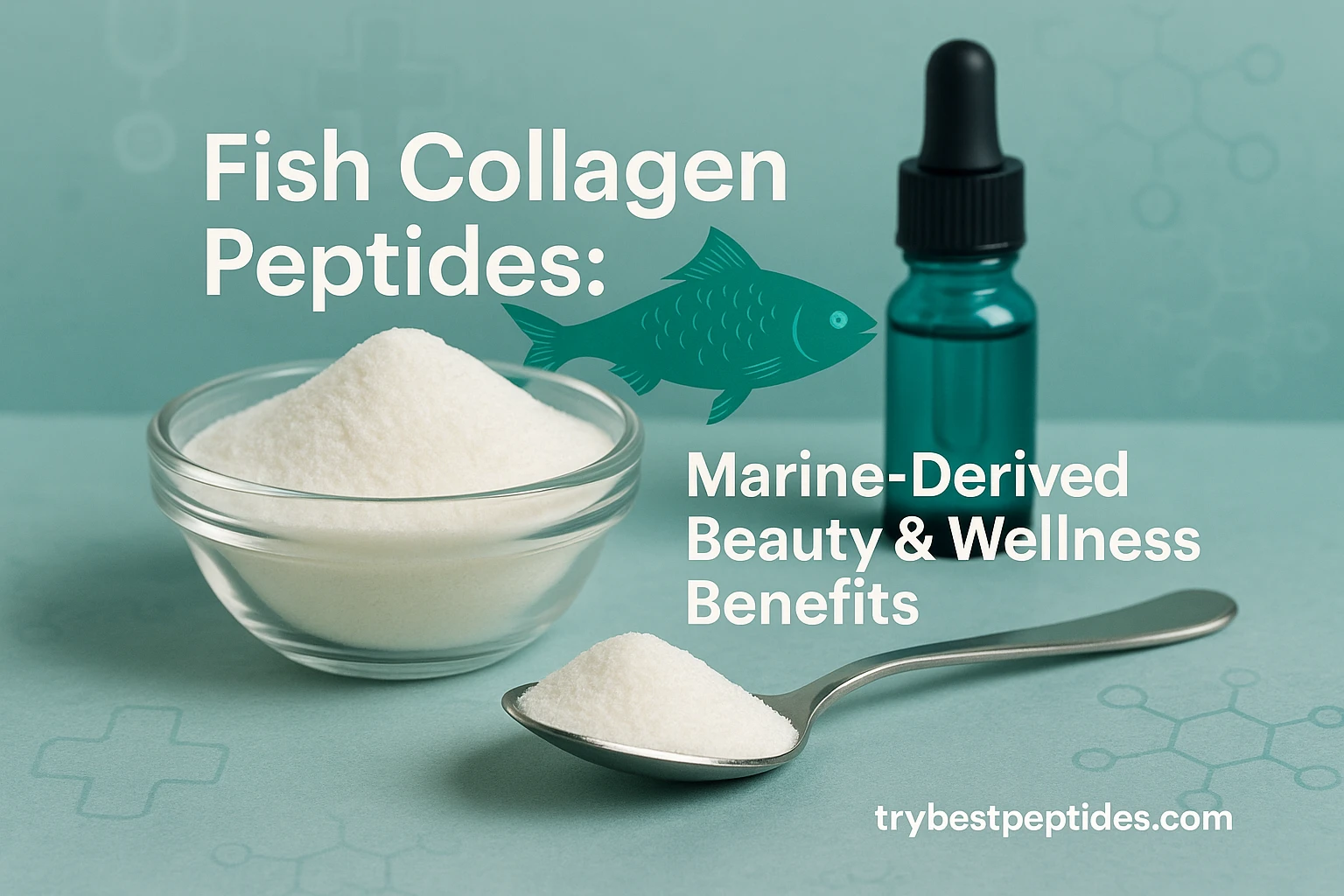
Fish collagen is a hydrolyzed protein derived from the connective tissues of marine fish species, primarily sourced from byproducts of the fishing industry. The hydrolyzation process breaks down collagen into smaller peptide chains, creating what's known as collagen peptides or hydrolyzed collagen. This molecular breakdown significantly enhances bioavailability, allowing your digestive system to absorb the peptides more efficiently than whole collagen molecules.
The effectiveness of fish collagen lies in its amino acid composition. Type I collagen, which comprises approximately 70% of fish collagen, contains three essential amino acids that form the structural backbone of healthy skin, hair, nails, and connective tissues:
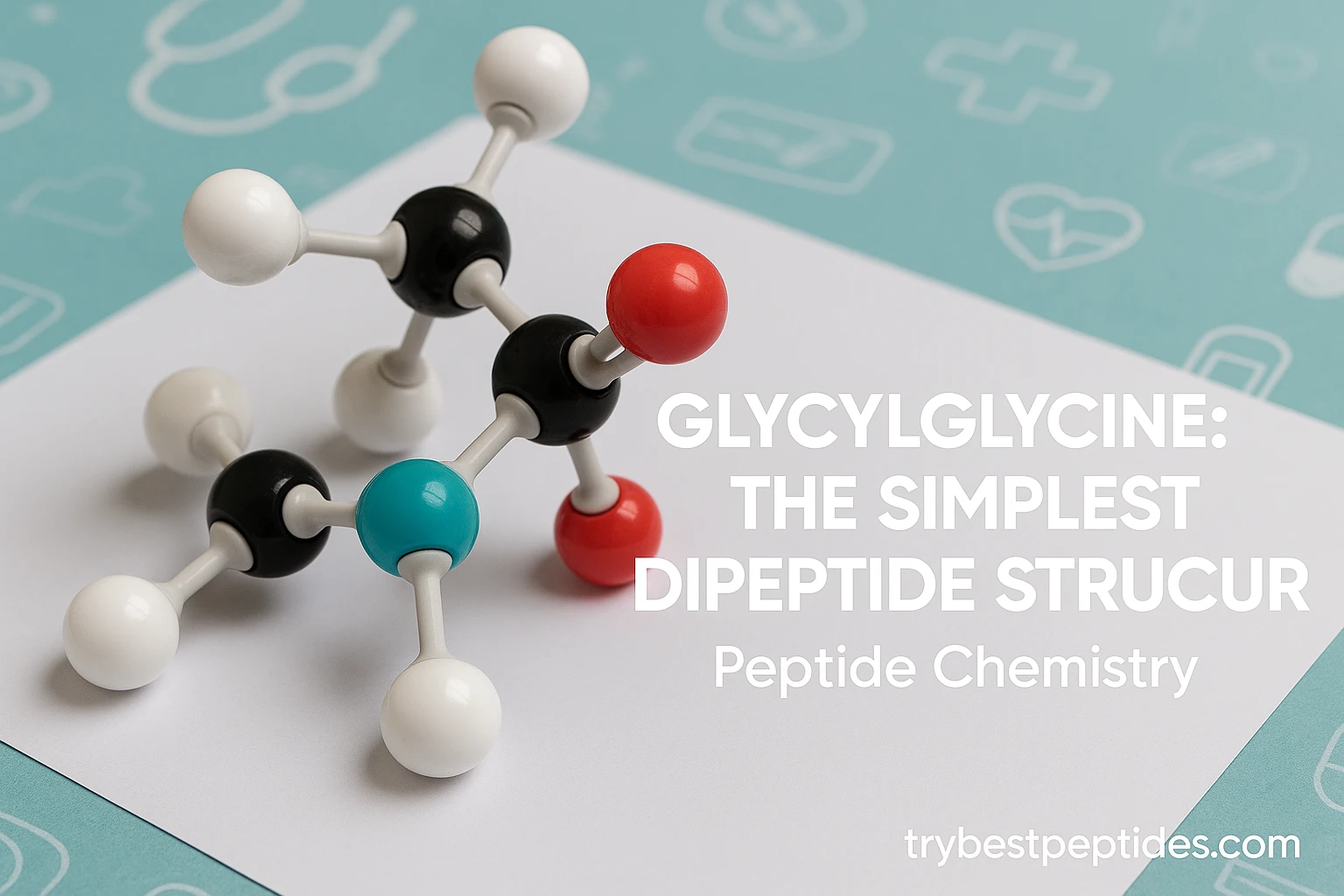
- Glycine: Comprises roughly 33% of collagen and serves as a building block for glutathione, a master antioxidant
- Proline: Supports collagen stability and skin firmness
- Hydroxyproline: Enables cross-linking of collagen fibers, strengthening tissue structure
When you consume fish collagen peptides, these amino acids circulate through your bloodstream and accumulate in tissues where collagen breakdown naturally occurs. This targeted delivery system supports your body's natural collagen production and repair mechanisms.
The Science Behind Fish Collagen's Beauty Benefits
Skin Health and Anti-Aging Properties
Research demonstrates that fish collagen peptides significantly improve skin elasticity, hydration, and overall appearance. Multiple clinical studies have shown that regular collagen supplementation reduces the visibility of fine lines and wrinkles while increasing skin firmness and smoothness. The peptides stimulate fibroblast activity—the cells responsible for producing collagen and elastin in the dermis layer.
Fish collagen is particularly effective for anti-aging because it contains dipeptides and tripeptides that directly support hyaluronic acid synthesis. This results in improved skin hydration from within, creating a plumper, more youthful complexion. Unlike topical creams that work only on the surface, oral fish collagen peptides address aging at the cellular level.
Joint Support and Mobility
Beyond beauty applications, fish collagen provides substantial benefits for joint health and athletic recovery. Type II collagen is essential for cartilage maintenance, and while fish collagen is primarily Type I, its amino acid profile supports overall connective tissue integrity. Studies indicate that collagen supplementation reduces joint pain, improves flexibility, and may slow cartilage degradation in aging populations.
Athletes and fitness enthusiasts benefit from fish collagen's ability to strengthen tendons and ligaments, potentially reducing injury risk and accelerating post-workout recovery. The consistent amino acid supply helps maintain the structural proteins essential for optimal physical performance.
Why Fish Collagen Stands Out from Other Sources
The marine source of fish collagen offers several distinct advantages over bovine, porcine, or plant-based alternatives. Fish collagen peptides have a significantly lower molecular weight than bovine collagen, resulting in approximately 1.5 times better absorption rates. This superior bioavailability means you achieve results with smaller, more economical doses.
Additionally, fish collagen carries fewer contamination risks and ethical concerns compared to terrestrial animal sources. The sustainability aspect appeals to environmentally conscious consumers, as most fish collagen is derived from processing byproducts that would otherwise be discarded. This makes it an eco-friendly choice without compromising efficacy.
The taste and odor profile of fish collagen peptides is neutral to subtle, making them highly versatile for incorporation into beverages, smoothies, and culinary preparations. Unlike some marine supplements, quality fish collagen doesn't impart a fishy taste when properly processed.
How to Incorporate Fish Collagen Into Your Routine
Optimal Dosage and Consumption
For visible beauty and wellness results, most clinical studies support a daily intake of 2.5 to 10 grams of fish collagen peptides. The typical effective dose ranges between 5-10 grams daily, consumed consistently for 8-12 weeks to observe noticeable improvements in skin texture and elasticity.
Fish collagen peptides dissolve easily in both hot and cold liquids, making them adaptable to your lifestyle. Mix them into morning coffee, blend them into smoothie bowls, or stir them into soups and bone broths for seamless integration.
Best Practices for Maximum Efficacy
Consistency is critical: Daily supplementation produces superior results compared to sporadic consumption. Your body accumulates amino acids and builds collagen reserves over time.
Timing considerations: Consuming fish collagen with vitamin C sources enhances absorption and collagen synthesis. The combination supports hydroxylation, the chemical process that stabilizes collagen molecules.
Complementary nutrients: Pair fish collagen supplementation with adequate protein intake, zinc, and copper—minerals essential for collagen cross-linking and stabilization.
Quality Standards and Sourcing Considerations
When selecting fish collagen products, prioritize brands that provide transparent sourcing information and third-party testing verification. High-quality fish collagen should be:
- Hydrolyzed: Breaking down collagen into peptides (typically 2,000-5,000 Daltons molecular weight)
- Wild-caught or sustainably farmed: Sourced from regulated fisheries
- Heavy metal tested: Verified free from mercury, lead, and cadmium contamination
- Batch certified: Each production batch tested for purity and potency
Avoid products with excessive fillers, artificial sweeteners, or undisclosed processing methods. Reputable manufacturers provide certificates of analysis and sustainability certifications, indicating their commitment to product quality and environmental responsibility.
Potential Considerations and Contraindications
Fish collagen peptides are generally well-tolerated, with minimal side effects in most populations. However, individuals with fish allergies should avoid fish collagen products or choose alternative sources. Those following strict pescatarian or vegan diets should note that fish collagen is an animal-derived product and seek plant-based alternatives if alignment with dietary principles is important.
Some individuals report mild digestive adjustments during initial supplementation, typically resolving within a few days as the digestive system adapts. Starting with smaller doses and gradually increasing to the full recommended amount can minimize this transition period.
Pregnant and nursing women should consult healthcare providers before introducing new supplements, though fish collagen is generally recognized as safe by major health organizations.
The Future of Fish Collagen in Wellness
The fish collagen market continues expanding as consumer awareness of bioactive peptides grows and scientific research validates their efficacy. Innovative delivery systems—including micronized formulations, collagen complexes with complementary nutrients, and targeted peptide profiles—represent the evolution of collagen supplementation.
As sustainability concerns intensify, sourcing methods continue improving, with more manufacturers exploring ethical extraction and waste reduction. The integration of fish collagen into mainstream beauty and wellness products signals its established position as a scientifically-supported solution rather than a passing trend.
Conclusion
Fish collagen peptides represent a paradigm shift in how we approach beauty and wellness from within. Their superior bioavailability, impressive amino acid profile, and extensive scientific validation make them an intelligent choice for anyone seeking to improve skin health, support joint function, and maintain youthful vitality. Whether incorporated into daily beverages or culinary creations, fish collagen offers a practical, sustainable, and effective solution for modern wellness goals.
The marine source provides environmental and ethical advantages while delivering measurable results that justify the investment in quality supplementation. By understanding optimal dosing, sourcing standards, and integration strategies, you can maximize the transformative potential of fish collagen peptides and experience the visible benefits that thousands of satisfied users have already discovered.
Key Takeaways
- Superior Absorption: Fish collagen peptides offer 1.5 times better bioavailability than bovine collagen due to lower molecular weight
- Amino Acid Power: Glycine, proline, and hydroxyproline content directly supports skin elasticity, joint health, and connective tissue integrity
- Proven Beauty Benefits: Clinical studies demonstrate reduced fine lines, improved skin hydration, and enhanced skin firmness with consistent use
- Optimal Dosage: 5-10 grams daily for 8-12 weeks produces visible results in most users
- Sustainable Choice: Fish collagen is typically derived from fishing byproducts, making it eco-friendly compared to terrestrial animal sources
- Quality Matters: Select hydrolyzed, third-party tested products from transparent manufacturers to ensure purity and efficacy
- Versatile Integration: Dissolves in hot and cold beverages, easily incorporated into smoothies, coffee, and culinary preparations
-