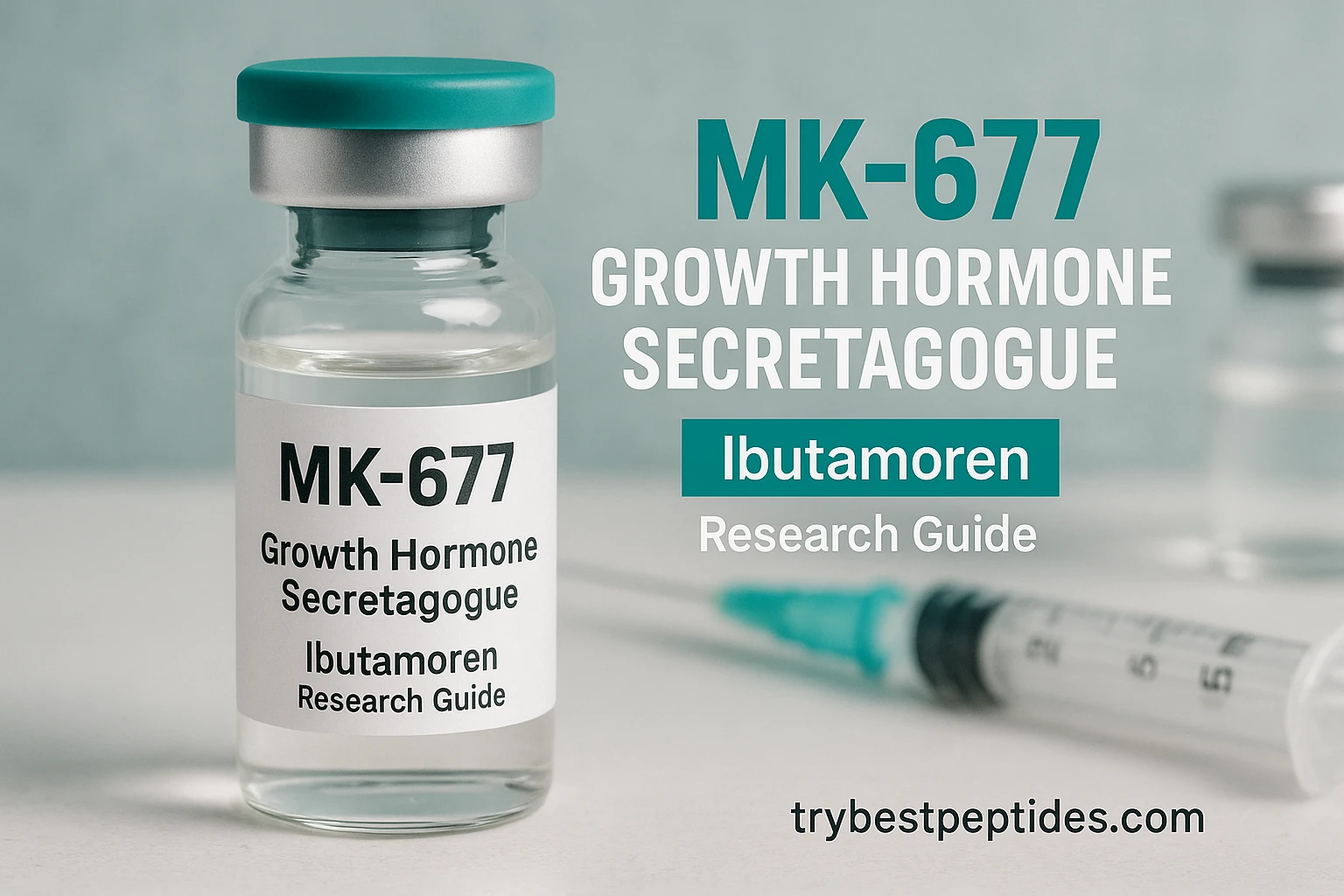
MK-677, commonly known as ibutamoren mesylate, represents a fascinating intersection of peptide research and pharmaceutical innovation. While frequently discussed within peptide communities, MK-677 occupies a unique biochemical position—it's technically a non-peptide, orally active growth hormone secretagogue that replicates ghrelin's mechanism of action. This distinction makes it particularly noteworthy for researchers exploring growth hormone modulation without traditional injection-based administration. Understanding MK-677's mechanism, clinical applications, and regulatory landscape is essential for anyone engaged in serious peptide research. This comprehensive guide explores the science behind this compound, its potential benefits, safety considerations, and current legal status across different jurisdictions.
What Is MK-677?
MK-677, or ibutamoren mesylate, is a non-peptide compound developed to address growth hormone deficiency and related conditions. Despite its frequent association with peptides, MK-677 technically falls outside the peptide classification due to its synthetic, non-amino acid-based structure.
The compound was originally developed by Reverse Pharmacology, with research conducted at Merck Research Laboratories—hence the "MK" designation. The primary innovation was creating an orally bioavailable alternative to growth hormone-releasing peptides (GHRPs) and growth hormone-releasing hormones (GHRHs), which typically require injection.
MK-677's structure allows it to cross the blood-brain barrier effectively and reach the pituitary gland, where it exerts its primary effects. This oral bioavailability represents a significant advantage over traditional peptide-based secretagogues, making it more practical for extended research protocols and clinical applications.
How MK-677 Works: Mechanism of Action
MK-677 functions as a ghrelin receptor agonist, mimicking the natural hormone ghrelin's activity. To understand its mechanism, it's important to recognize ghrelin's role in growth hormone regulation.
The Ghrelin Pathway
Ghrelin, often called the "hunger hormone," operates through specific receptors located on growth hormone-releasing hormone (GHRH) neurons in the hypothalamus. When ghrelin binds to these receptors, it stimulates the release of GHRH, which subsequently triggers growth hormone secretion from the anterior pituitary gland.
MK-677 operates through the same pathway. By activating ghrelin receptors, it stimulates GHRH release, culminating in increased growth hormone secretion. This mechanism differs fundamentally from direct growth hormone administration, as it works through the body's natural endocrine feedback systems rather than bypassing them.
Duration and Receptor Specificity
Research indicates that MK-677 maintains relatively sustained growth hormone elevation. The compound demonstrates high selectivity for the ghrelin receptor, with minimal cross-reactivity with other hormone receptors. This specificity profile contributes to its relatively favorable safety characteristics compared to non-selective growth hormone mimetics.
Clinical Research and Evidence Overview
Clinical investigations into MK-677 have primarily focused on growth hormone deficiency, age-related decline in growth hormone secretion, and metabolic effects.
Growth Hormone Elevation
Multiple clinical trials have demonstrated MK-677's capacity to elevate circulating growth hormone levels. In one notable study, even single doses of MK-677 resulted in significant growth hormone increases within 30 minutes to one hour of administration. Sustained elevation persisted throughout the study period, with effects generally plateauing at doses between 10-25 mg daily.
Metabolic and Body Composition Effects
Research has explored MK-677's potential impacts on metabolism, appetite, and body composition. Some studies suggested improvements in lean muscle mass and reductions in body fat, though results have been variable and often modest. Additionally, MK-677 appears to influence appetite, which aligns with its ghrelin-mimetic properties.
Bone Density and Aging-Related Research
Preliminary evidence suggests potential benefits for bone mineral density, particularly relevant for aging populations. However, most bone-related research remains in earlier developmental stages, with limited long-term human data currently available.
Safety Profile and Side Effects
Understanding MK-677's safety considerations is crucial for responsible research implementation. While generally regarded as relatively well-tolerated, the compound presents several documented effects.
Common Reported Effects
Research participants have frequently reported increased appetite, which directly aligns with MK-677's ghrelin-mimetic mechanism. Some individuals experience fluid retention or increased water weight, likely related to growth hormone's effects on cellular hydration. Mild fatigue and lethargy have been observed in certain studies, though these effects often diminish with continued use.
Metabolic Considerations
MK-677 may influence glucose metabolism and insulin sensitivity in some individuals. This warrants careful consideration for individuals with pre-existing metabolic conditions. Long-term studies monitoring fasting glucose and insulin response remain limited.
Important Research Limitations
Current safety data derives primarily from relatively short-term clinical trials, typically lasting weeks to several months. Long-term safety profiles—particularly regarding sustained growth hormone elevation—remain incompletely characterized. Additionally, studies have primarily involved specific populations (often younger adults), limiting generalizability across broader demographics.
Legal Status and Regulatory Context
MK-677's regulatory classification varies significantly across jurisdictions, reflecting differing approaches to growth hormone-related compounds.
United States Regulatory Position
In the United States, MK-677 is not approved by the FDA for any therapeutic indication. The compound remains classified as a research chemical and is available only through research suppliers designated for laboratory use. Commercial sale for human consumption is prohibited.
International Regulations
Regulatory status differs internationally. Some countries permit limited access for specific medical conditions, while others maintain stricter classifications. The regulatory landscape continues evolving, particularly as long-term safety data accumulates.
Research and Compliance
Researchers utilizing MK-677 must ensure compliance with institutional review boards (IRBs) and applicable regulatory frameworks. Documentation and proper research protocols are essential for legitimate research applications.
Frequently Asked Questions
How quickly does MK-677 produce effects? Growth hormone elevation typically begins within 30-60 minutes of oral administration, with peak effects occurring within several hours.
Can MK-677 be combined with other compounds? While some researchers combine MK-677 with other secretagogues, such combinations require careful consideration and comprehensive understanding of potential interactions.
What dosages are typical in research settings? Clinical trials have employed doses ranging from 5-25 mg daily, with most effects plateauing around 10-25 mg daily dosing.
Is MK-677 detectable in standard drug screens? MK-677 is not included in standard drug screening panels, as it's not a controlled substance in most jurisdictions.
Conclusion
MK-677 (ibutamoren mesylate) represents a significant development in growth hormone research, offering an orally bioavailable alternative to traditional peptide-based secretagogues. Its mechanism as a ghrelin receptor agonist provides a physiologically relevant approach to growth hormone modulation that works through the body's natural endocrine pathways.
Current clinical evidence demonstrates clear efficacy in elevating growth hormone levels, with preliminary data suggesting potential metabolic applications. However, the compound's long-term safety profile remains incompletely characterized, and regulatory status varies substantially across jurisdictions.
For researchers and medical professionals considering MK-677, comprehensive understanding of its mechanism, documented effects, and applicable regulatory requirements is essential. Responsible research implementation requires adherence to institutional guidelines and consideration of individual health factors and contraindications.
As research continues to accumulate, our understanding of MK-677's full potential and long-term safety profile will continue developing. Until then, evidence-based assessment and cautious optimism remain appropriate positions for the scientific community.
Key Takeaways
- Non-Peptide Structure: Despite frequent discussion in peptide circles, MK-677 is technically a non-peptide, non-selective growth hormone secretagogue with oral bioavailability
- Ghrelin Mimicry: MK-677 functions as a ghrelin receptor agonist, stimulating natural growth hormone release through the hypothalamic-pituitary axis
- Established Efficacy: Clinical research consistently demonstrates significant growth hormone elevation within 30-60 minutes of oral administration
- Common Effects Include: Increased appetite, potential fluid retention, and modest metabolic changes, with long-term safety data remaining limited
- Variable Regulatory Status: MK-677 is not FDA-approved in the United States but maintains different classifications internationally; researchers must verify local regulations
- Research Setting Only: Current use should remain restricted to legitimate research contexts with appropriate institutional oversight and compliance documentation
-