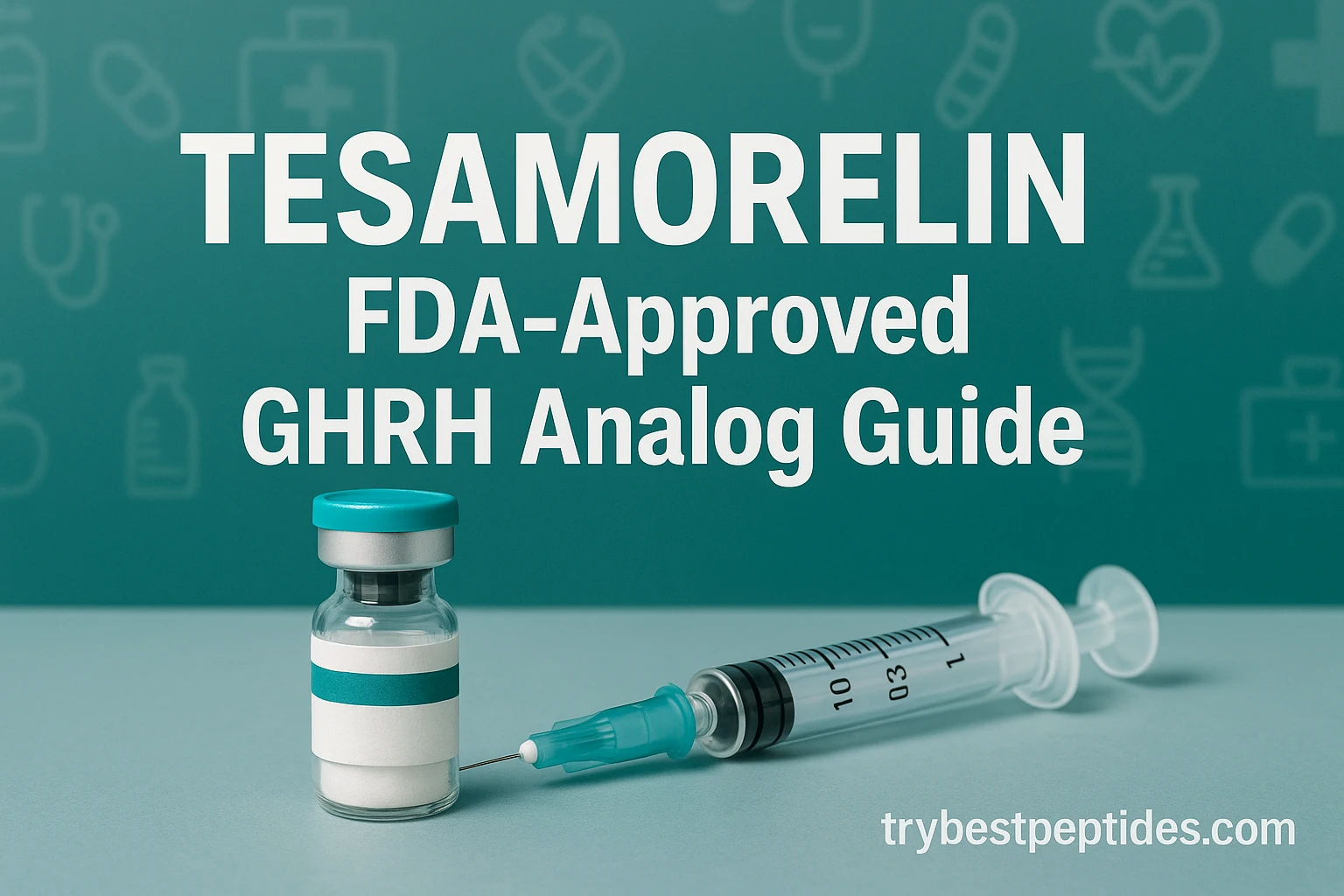
Most peptides in the growth hormone space operate within a regulatory gray zone. They're extensively researched, discussed in anti-aging circles, and purchased through compounding pharmacies—yet they lack FDA approval as prescription drugs. Tesamorelin stands as a notable exception to this landscape. This synthetic peptide represents one of the few growth hormone-related compounds that has successfully navigated the FDA approval process, earning its status as a legitimate pharmaceutical treatment. Understanding tesamorelin's mechanism, clinical applications, safety profile, and regulatory standing is essential for researchers, healthcare professionals, and individuals interested in peptide therapeutics. This comprehensive guide explores the science behind this GHRH analog, its established uses, and the evidence supporting its efficacy.
What Is Tesamorelin?
Tesamorelin is a synthetic growth hormone-releasing hormone (GHRH) analog developed to stimulate the pituitary gland's production of endogenous growth hormone. The compound is essentially a modified version of naturally occurring GHRH, enhanced with additional amino acid sequences that improve its stability and biological activity compared to the native hormone.
The FDA approved tesamorelin under the brand name Egrifta in 2010, specifically for treating HIV-associated lipodystrophy—a condition characterized by abnormal fat distribution in individuals living with HIV. This approval marked a significant milestone in peptide therapeutics, establishing tesamorelin as a regulated pharmaceutical agent rather than a research-only compound.
The peptide works by binding to GHRH receptors on somatotroph cells within the anterior pituitary gland, triggering the release of growth hormone into the bloodstream. This mechanism distinguishes tesamorelin from direct growth hormone injections, as it promotes the body's own natural production of the hormone rather than introducing external synthetic GH.
Mechanism of Action and Physiological Effects
Tesamorelin operates through a well-characterized physiological pathway. When administered, it crosses the blood-brain barrier and reaches the anterior pituitary gland, where it activates GHRH-receptor signaling cascades. This activation prompts somatotroph cells to synthesize and release growth hormone, which then circulates throughout the body.
The resulting increase in growth hormone levels triggers multiple downstream effects:
- Lipolysis: Enhanced fat breakdown, particularly targeting visceral and ectopic fat deposits
- Protein synthesis: Increased muscle protein turnover and lean body mass development
- Metabolic rate: Elevation of overall energy expenditure
- Lipid profiles: Improvements in triglyceride and cholesterol levels
- Body composition: Reduction in abdominal fat accumulation
Unlike synthetic GH injection, tesamorelin maintains the body's natural feedback mechanisms. The hypothalamus continues to regulate hormone release through somatostatin inhibition, potentially reducing certain side effects associated with supraphysiological growth hormone levels.
Clinical Research and FDA-Approved Indications
The clinical evidence base for tesamorelin primarily derives from rigorous trials examining HIV-associated lipodystrophy. In these studies, tesamorelin demonstrated statistically significant reductions in visceral adiposity compared to placebo, with improvements persisting throughout treatment duration.
Key clinical findings include:
- Reduction in visceral adipose tissue by 15-20% over 12 weeks
- Improvements in trunk fat without significant increases in subcutaneous fat
- Enhanced lipid profiles with reduced triglycerides
- Improvements in insulin sensitivity markers
- Favorable changes in body composition metrics
The FDA approval is specifically limited to treating HIV-associated lipodystrophy in adult patients. Healthcare providers may only prescribe tesamorelin for this indication within the regulatory framework, distinguishing it from other peptides that lack formal approval pathways.
Off-Label Interest and Anti-Aging Applications
Beyond its FDA-approved indication, tesamorelin generates significant interest in anti-aging medicine and longevity research circles. The peptide's ability to stimulate endogenous growth hormone production has led researchers and practitioners to investigate its potential applications in age-related conditions.
Theoretical applications under investigation include:
- Age-related growth hormone deficiency: Restoration of declining GH levels in aging populations
- Body composition optimization: Reduction of age-related fat accumulation and muscle loss
- Metabolic health: Improvement of insulin sensitivity and glucose metabolism in older adults
- Cognitive function: Potential neuroprotective effects through growth hormone signaling
- Cardiovascular health: Indirect improvements through enhanced metabolic parameters
However, it's crucial to note that these applications remain largely investigational. The scientific consensus regarding tesamorelin's efficacy outside HIV lipodystrophy treatment is still developing, with most evidence coming from mechanistic studies rather than large-scale clinical trials.
Safety Profile and Side Effects
Tesamorelin demonstrates a relatively favorable safety profile in clinical trials, though users should be aware of potential adverse effects. The most commonly reported side effects during clinical studies included:
- Injection site reactions (mild erythema, pain, or swelling)
- Headache
- Flushing
- Arthralgias and myalgias
- Upper respiratory tract infections
- Carpal tunnel syndrome (reported in some cases)
More serious adverse events are rare but possible, including:
- Glucose intolerance: Some patients experienced elevated fasting glucose levels
- Gynecomastia: Breast tissue enlargement in male patients (uncommon)
- Joint pain: Exacerbation of pre-existing arthritis
The safety profile appears generally manageable when administered under medical supervision. However, long-term safety data extending beyond 12-24 months remains limited. Individuals with specific medical conditions—including active malignancy, untreated hypothyroidism, or uncontrolled diabetes—should avoid tesamorelin use.
Dosing and Administration
The standard FDA-approved dosing for tesamorelin is 2 mg once daily via subcutaneous injection. The injection is self-administered, typically in the abdomen, following proper aseptic technique.
Administration considerations:
- Tesamorelin is supplied as lyophilized powder requiring reconstitution with sterile water
- Injections should be rotated among different abdominal sites to minimize local reactions
- Timing of administration doesn't appear to significantly affect efficacy, though consistent scheduling is recommended
- Dose adjustments may be necessary based on individual response and tolerability
For HIV lipodystrophy treatment, clinical trials demonstrated efficacy within 12 weeks, with continued improvements over longer treatment periods. The optimal duration of therapy and whether treatment should be continuous or cyclic remains an area of ongoing clinical investigation.
Legal Status and Availability
Tesamorelin's regulatory status differs significantly from most peptides. As an FDA-approved pharmaceutical, it's legally available through standard prescription pathways in the United States. Healthcare providers may prescribe Egrifta for FDA-approved indications through conventional pharmacies.
Regulatory considerations:
- Prescription requirement: Tesamorelin is a Schedule II pharmaceutical requiring physician authorization
- Insurance coverage varies by plan and indication; HIV lipodystrophy coverage is generally established
- Off-label prescribing is legally permitted but should occur within appropriate clinical frameworks
- Manufacturing is regulated by FDA standards, ensuring consistent quality and purity
- Unlike research peptides, tesamorelin products must meet pharmaceutical manufacturing standards
Access outside the United States varies by country. Many nations recognize tesamorelin as an approved medication, though specific approval status and availability differ. Individuals seeking tesamorelin should consult licensed healthcare providers regarding legal status in their jurisdiction.
Key Takeaways
- FDA-Approved Status: Tesamorelin (Egrifta) is one of the few peptides with formal FDA approval, specifically for HIV-associated lipodystrophy treatment
- GHRH Mechanism: The peptide stimulates endogenous growth hormone production rather than providing exogenous hormone, maintaining natural feedback mechanisms
- Clinical Evidence: Robust clinical trials demonstrate significant reductions in visceral adiposity and improvements in metabolic parameters in HIV-positive patients
- Safety Profile: Generally well-tolerated with manageable side effects, though long-term safety data remains limited
- Off-Label Interest: While not approved for anti-aging applications, tesamorelin generates research interest in age-related conditions
- Professional Oversight: Legal prescription requires physician authorization, distinguishing it from research-grade peptides
Conclusion
Tesamorelin represents a unique position within the peptide therapeutics landscape—a compound that has successfully transitioned from research to FDA-approved pharmaceutical status. Its mechanism of action, targeting GHRH receptors to stimulate endogenous growth hormone production, provides a physiologically elegant approach to addressing growth hormone deficiency states.
The clinical evidence supporting tesamorelin's efficacy in HIV-associated lipodystrophy is substantial and well-documented. However, researchers and practitioners should maintain clear distinctions between FDA-approved indications and investigational applications. While the anti-aging community shows considerable interest in tesamorelin's potential, evidence supporting its use outside HIV lipodystrophy treatment remains preliminary.
For individuals considering tesamorelin, consultation with qualified healthcare providers remains essential. The regulatory framework surrounding this peptide differs substantially from research-grade compounds, offering both legal protections and professional oversight. As peptide research continues evolving, tesamorelin's regulatory pathway may serve as a template for future peptide therapeutics seeking FDA approval.
-