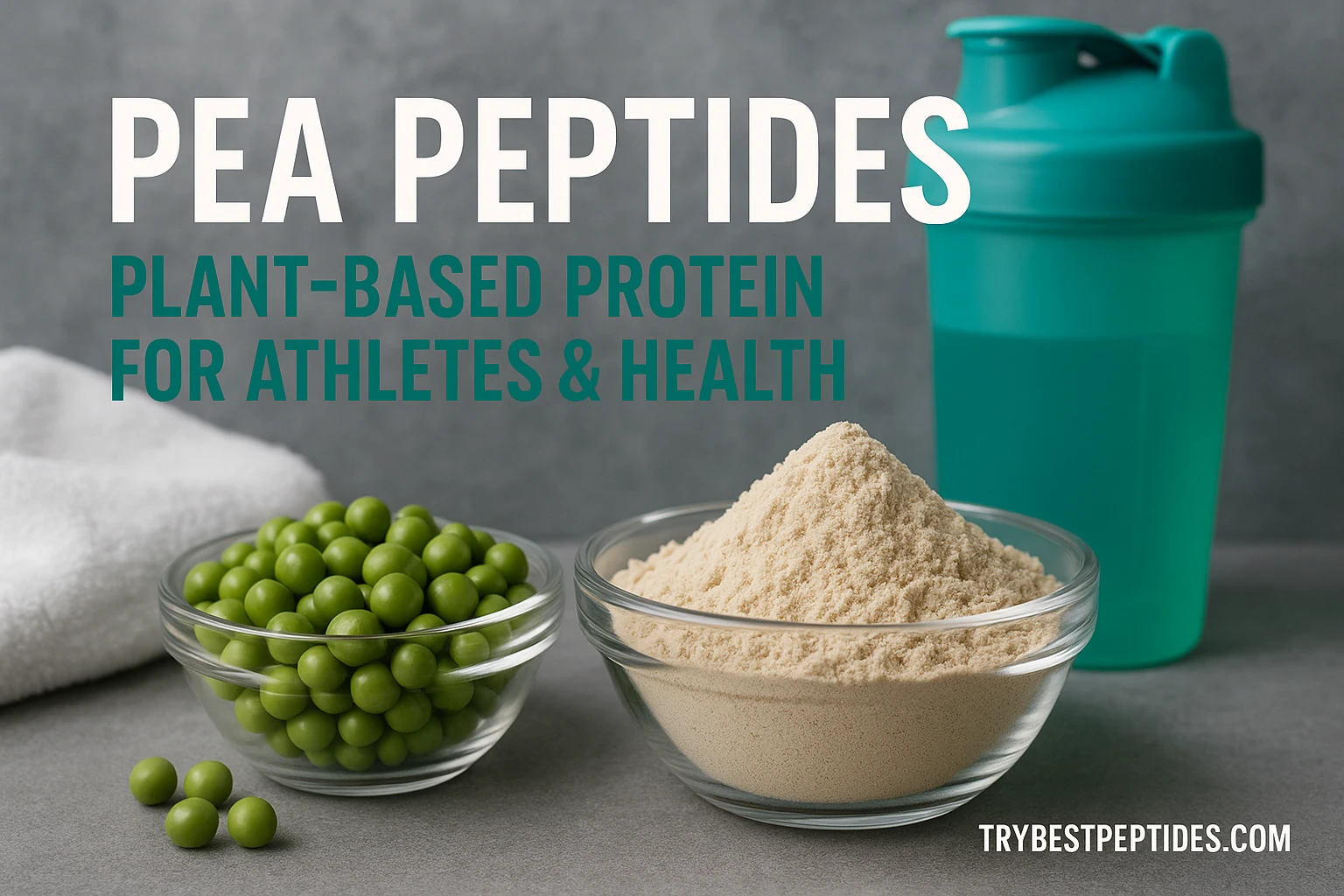

Whey peptides represent one of the most researched and bioavailable protein sources available to athletes, fitness enthusiasts, and health-conscious individuals. These small protein fragments, derived from whey protein through enzymatic hydrolysis, offer unique advantages over intact whey protein, including faster absorption rates, enhanced amino acid bioavailability, and potential health benefits that extend beyond basic muscle building. Whether you're looking to optimize your post-workout recovery, improve muscle protein synthesis, or support overall wellness, understanding whey peptides can help you make informed decisions about your nutritional supplementation strategy. This comprehensive guide explores what whey peptides are, how they work, their science-backed benefits, and practical applications for various fitness and health goals.
What Are Whey Peptides?
Whey peptides are short-chain protein fragments containing 2-20 amino acids, created by breaking down whey protein through enzymatic hydrolysis. Unlike intact whey protein isolate, which consists of complete protein molecules, whey peptides have already undergone partial digestion, making them significantly easier for your body to absorb and utilize.
The process of creating whey peptides involves exposing whey protein concentrate or isolate to specific enzymes that cut the protein chains at strategic points. This controlled breakdown produces peptides of varying lengths, each with distinct biochemical properties. The resulting product maintains the amino acid profile of the original whey while dramatically improving absorption kinetics and bioavailability.
Whey peptides are commonly available in several forms: peptide isolates (90%+ peptides), peptide concentrates (70-80% peptides), and hydrolyzed whey protein blends. Each form offers different cost-to-benefit ratios, allowing consumers to choose options that align with their specific needs and budgets.
The Science Behind Whey Peptide Absorption
One of the most compelling advantages of whey peptides lies in their superior absorption profile compared to whole proteins. Due to their smaller molecular size, peptides bypass certain digestive barriers and enter the bloodstream more rapidly, typically reaching peak amino acid concentrations within 30-60 minutes after consumption.
This accelerated absorption mechanism involves several physiological pathways. Peptide transporters in the small intestine (specifically PepT1 and PepT2) actively absorb intact dipeptides and tripeptides, allowing them to pass into the bloodstream without further digestion. Meanwhile, longer peptides are quickly hydrolyzed by intestinal brush border enzymes into absorbable units. This dual pathway ensures efficient nutrient delivery with minimal digestive burden.
The bioavailability advantage translates to practical benefits: faster nutrient delivery to muscle tissue, quicker elevation of plasma amino acid concentrations, and improved post-workout recovery kinetics. Research demonstrates that hydrolyzed whey peptides produce significantly higher and faster amino acid peaks compared to intact whey protein, making them particularly valuable for athletes focused on recovery optimization.
Health Benefits of Whey Peptides
Muscle Protein Synthesis and Recovery
Whey peptides contain all nine essential amino acids, with exceptionally high concentrations of leucine, isoleucine, and valine—the branched-chain amino acids (BCAAs) directly responsible for triggering muscle protein synthesis. The rapid delivery of these amino acids through peptide supplementation creates an optimal anabolic environment for muscle repair and growth, particularly when consumed immediately post-exercise.
Studies consistently demonstrate that whey peptide supplementation increases muscle protein synthesis rates by 20-30% compared to placebo, with the most pronounced effects occurring within 60 minutes of resistance training. This makes whey peptides an evidence-based choice for athletes seeking to maximize hypertrophic gains.
Improved Nitrogen Balance
Whey peptides help maintain positive nitrogen balance—the difference between dietary nitrogen intake and urinary nitrogen excretion—which is fundamental for muscle growth, recovery, and overall metabolic health. The high amino acid bioavailability of peptides ensures that a greater percentage of consumed protein contributes to lean tissue synthesis rather than being oxidized for energy.
Enhanced Immune Function
Beyond muscle-building properties, whey peptides contain bioactive compounds including immunoglobulins, lactoferrin, and alpha-lactalbumin, which support immune system function. The rapid absorption of these immunomodulatory peptides allows them to exert systemic effects on immune cell populations, potentially enhancing defense mechanisms against pathogens and supporting overall immune resilience.
Improved Digestive Tolerance
Due to their pre-digested nature, whey peptides are substantially gentler on the digestive system than intact whey proteins. Individuals with lactose sensitivity or compromised digestive function often tolerate whey peptides significantly better, experiencing fewer incidents of bloating, gas, or gastrointestinal discomfort. The hydrolysis process reduces the molecular size of immunogenic compounds, further minimizing digestive distress.
Metabolic and Cardiovascular Benefits
Emerging research suggests that whey peptides may offer benefits beyond muscle development. Certain peptide fractions demonstrate potential to support healthy blood pressure regulation, improve lipid profiles, and enhance glucose metabolism. These systemic health effects make whey peptides valuable not only for athletic populations but for anyone prioritizing metabolic wellness.
Practical Applications and Usage Guidelines
Post-Workout Supplementation
The most common application involves consuming 20-40 grams of whey peptides within 30-60 minutes following resistance training. This timing capitalizes on elevated muscle protein synthesis rates and ensures rapid amino acid delivery to recovering muscle tissue.
Daily Protein Supplementation
Whey peptides can serve as a convenient protein source throughout the day, particularly for individuals struggling to meet protein targets through whole food sources alone. Their rapid absorption makes them ideal for quick meals or snacks.
Strength Training Support
Athletes engaged in high-volume resistance training benefit substantially from whey peptide supplementation, with research showing enhanced strength gains and muscle hypertrophy compared to control groups when combined with consistent training protocols.
Older Adult Recovery
Aging populations often experience sarcopenia and reduced muscle protein synthesis efficiency. The bioavailability advantages of whey peptides make them particularly useful for supporting muscle maintenance and functional capacity in older adults.
Choosing Quality Whey Peptides
When selecting whey peptide products, several factors warrant consideration. Look for products specifying the hydrolysis method and degree of hydrolysis—enzymatic hydrolysis typically produces superior quality compared to acid hydrolysis. Verify that products contain minimal additives, fillers, or unnecessary sweeteners that might compromise digestive tolerance.
Third-party testing certifications (NSF Certified for Sport, Informed Choice) provide additional assurance of product quality and purity. Additionally, consider whether products explicitly identify peptide molecular weight distribution, as this specification indicates optimal sizing for absorption.
Source quality matters substantially. Whey derived from grass-fed, hormone-free dairy sources typically offers superior nutrient density and fewer contaminating compounds compared to conventional sources.
Potential Considerations and Side Effects
While whey peptides are generally well-tolerated, certain populations should exercise caution. Individuals with severe dairy allergies should avoid whey products entirely. Those with sensitive digestive systems, despite peptides' improved tolerability, should start with smaller doses and gradually increase consumption.
Some research suggests that very high peptide intake might compete with whole protein consumption without providing substantially greater benefits. A balanced approach incorporating both peptides and intact proteins typically yields optimal results.
Conclusion
Whey peptides represent a scientifically validated approach to enhancing protein nutrition, particularly for athletes and individuals focused on recovery and muscle development. Their superior bioavailability, rapid absorption kinetics, and diverse health benefits distinguish them from conventional protein sources. Whether consumed as post-workout supplementation, daily protein support, or immune-system enhancement, whey peptides offer practical and evidence-based nutritional leverage for optimizing physical performance and overall health outcomes.
The investment in quality whey peptide supplementation often yields measurable improvements in recovery speed, muscle development, training performance, and general wellness—making them a worthwhile consideration for anyone serious about maximizing their nutritional strategy.
Key Takeaways
- Whey peptides are pre-digested protein fragments with superior absorption rates and bioavailability compared to intact whey protein
- Enhanced muscle protein synthesis occurs through rapid delivery of branched-chain amino acids, particularly beneficial within 60 minutes of resistance training
- Faster absorption kinetics mean peak amino acid concentrations within 30-60 minutes, supporting accelerated recovery
- Multiple health applications extend beyond muscle building to include immune support, digestive tolerance, and metabolic benefits
- Digestive advantages make whey peptides ideal for individuals with lactose sensitivity or compromised digestive function
- Quality selection matters—choose products with verified hydrolysis methods, third-party testing, and minimal additives
- Optimal dosing typically ranges from 20-40 grams post-workout, though daily supplementation offers flexibility based on individual protein targets
- Evidence-based supplementation positions whey peptides as a valuable tool for athletes, fitness enthusiasts, and aging populations seeking enhanced recovery and performance
-