
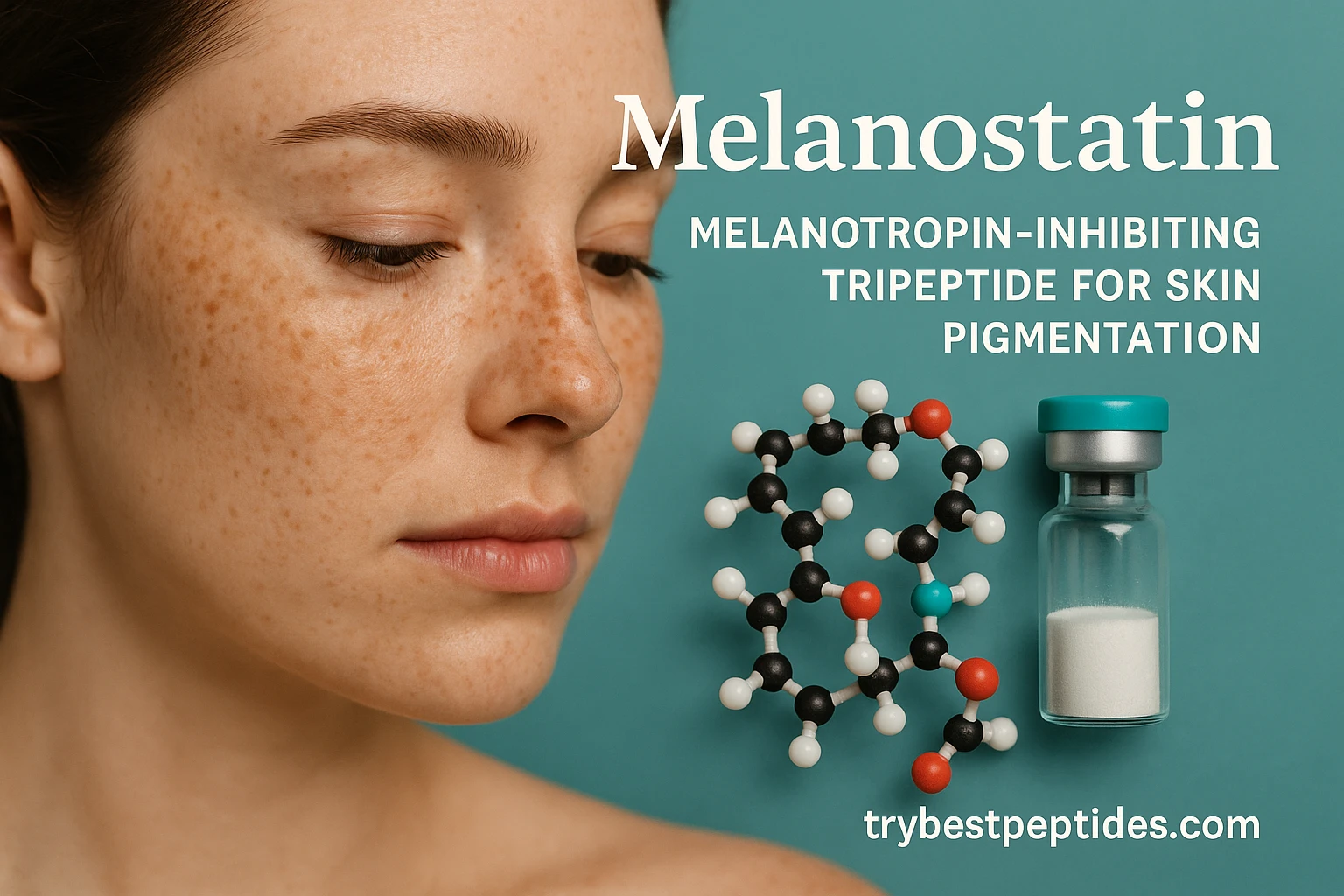
Melanostatin is a naturally occurring tripeptide that plays a crucial role in regulating melanin production and skin pigmentation. Composed of three amino acids, this potent compound functions as a melanotropin inhibitor, effectively suppressing the production and release of melanocyte-stimulating hormone (MSH). As interest in peptide-based skincare and dermatological research continues to grow, melanostatin has emerged as a significant molecule for scientists and researchers studying pigmentation disorders, skin health, and aesthetic dermatology. Understanding how this tripeptide works can provide valuable insights into both the biological mechanisms of melanin regulation and potential therapeutic applications.
What Is Melanostatin?
Melanostatin is a small regulatory peptide composed of just three amino acids that function together to inhibit melanotropin signaling in the body. The name itself reveals its primary function: "melanostatin" refers to a substance that stops or inhibits melanotropin, the hormone responsible for stimulating melanin production in melanocytes.
This tripeptide operates within the complex endocrine system that controls skin pigmentation. Unlike larger proteins or hormones, the compact structure of melanostatin allows it to interact specifically with receptors and signaling pathways involved in melanin synthesis. Its discovery has contributed significantly to our understanding of how pigmentation is regulated at the molecular level.
The compound exists naturally within the body and has been the subject of extensive research by dermatologists, biochemists, and pharmaceutical researchers looking to develop new treatments for hyperpigmentation, melasma, and other pigmentation-related conditions.
The Mechanism of Action
How Melanostatin Inhibits Melanotropin
Melanostatin works through an elegant biological mechanism that directly interferes with the melanin production pathway. The hormone melanotropin (also known as melanocyte-stimulating hormone or MSH) normally binds to specific receptors on the surface of melanocytes, triggering a cascade of biochemical signals that lead to increased melanin synthesis.
When melanostatin is present, it acts as an inhibitor of this process. By modulating the signaling pathways downstream of melanotropin receptor activation, melanostatin can effectively reduce the amount of melanin being produced. This inhibitory action occurs at multiple levels of the regulatory cascade, making it a particularly effective regulator of pigmentation.
The Peptide-Receptor Interaction
The three-amino-acid structure of melanostatin gives it a unique advantage in terms of specificity and bioavailability. Unlike larger proteins, small peptides can penetrate cellular membranes more effectively and reach target sites within the body with greater efficiency. This structural simplicity also reduces the likelihood of triggering unwanted immune responses, making melanostatin potentially safer for therapeutic applications compared to larger recombinant proteins.
The specific amino acid sequence of melanostatin has been carefully studied to understand which components are essential for its inhibitory function and which can be modified without compromising activity.
Biological Functions and Benefits
Melanin Regulation and Skin Tone Management
The primary function of melanostatin is controlling melanin production, which directly impacts skin tone and pigmentation patterns. For individuals dealing with excessive or uneven pigmentation, melanostatin offers a mechanism to naturally suppress melanin synthesis. This makes it particularly valuable for research into conditions characterized by hyperpigmentation.
Applications in Pigmentation Disorders
Melanostatin has shown considerable promise in scientific research focused on pigmentation disorders. Melasma, a common condition characterized by patches of hyperpigmentation typically affecting the face, represents one potential application area. Post-inflammatory hyperpigmentation, which can occur following acne, eczema, or other skin injuries, is another condition where melanostatin-based approaches might prove beneficial.
The ability to specifically target melanotropin signaling without affecting other hormonal systems suggests that melanostatin could serve as the foundation for more selective and safer treatments for these conditions.
Aesthetic Dermatology Applications
Beyond treating pathological conditions, melanostatin has attracted attention in the aesthetic dermatology field. Researchers and skincare professionals are exploring how melanostatin could be incorporated into advanced skincare formulations to help achieve more even skin tone and address age spots or sun damage.
The peptide's natural origin and mechanism of action align well with the growing demand for biologically-based skincare solutions that work with the body's natural processes rather than against them.
Research and Scientific Evidence
Current Research Status
Melanostatin continues to be the focus of ongoing dermatological and biochemical research. Scientists are investigating various aspects of its biology, including optimization of its amino acid sequence, stability enhancement, and delivery mechanisms to maximize its effectiveness when applied topically or administered systemically.
Clinical and preclinical studies have demonstrated the feasibility of using melanostatin-based approaches to modulate pigmentation, with researchers exploring both direct application to skin and systemic administration methods.
Stability and Formulation Challenges
One area of active research involves improving melanostatin's stability. Like all peptides, melanostatin must be protected from degradation by proteases (enzymes that break down proteins) in the body and in topical formulations. Scientists are developing new formulation technologies, including encapsulation methods and chemical modifications, to enhance its shelf-life and biological activity.
These efforts represent important steps toward bringing melanostatin-based products from the laboratory to real-world therapeutic and cosmetic applications.
Melanostatin vs. Other Pigmentation-Control Molecules
Comparison with Hydroquinone
Traditional depigmenting agents like hydroquinone work through different mechanisms than melanostatin. While hydroquinone inhibits tyrosinase (the enzyme that catalyzes melanin synthesis), melanostatin operates at the hormonal signaling level by inhibiting melanotropin. This distinction suggests that melanostatin and conventional agents might be used complementarily, each targeting different steps in the melanin production pathway.
Differentiation from Kojic Acid and Vitamin C
Kojic acid and vitamin C are popular skincare ingredients known for their antioxidant properties and ability to support more even pigmentation. However, these compounds work through entirely different biochemical mechanisms than melanostatin. While kojic acid and vitamin C are excellent for general skin health and protection, melanostatin offers a more direct approach to suppressing the specific hormonal signals that drive melanin production.
Advantages of Melanostatin
The peptide-based approach represented by melanostatin offers several theoretical advantages: high specificity for melanotropin signaling, potential for lower toxicity compared to some synthetic inhibitors, and the possibility of being naturally derived or produced through biotechnology methods.
Safety and Tolerability Considerations
Natural Occurrence in the Body
One significant advantage of melanostatin is its natural occurrence within human physiology. Because the body already produces and regulates this peptide as part of normal physiological processes, the safety profile may be more favorable compared to entirely novel synthetic compounds. This natural history provides a foundation of biological tolerance.
Current Safety Data
While extensive clinical trial data in humans remains limited, the existing research and preclinical evidence suggest that melanostatin has a reasonable safety profile when used for dermatological purposes. As with any bioactive peptide, individual sensitivity may vary, and proper testing is essential before widespread therapeutic deployment.
Future Safety Studies
As melanostatin moves toward potential clinical use, comprehensive safety studies including toxicity assessment, long-term effects monitoring, and interaction potential with other compounds will be necessary to establish definitive safety parameters.
Future Directions and Potential Applications
Advanced Formulation Development
The future of melanostatin therapy lies in developing superior formulation technologies that maximize its delivery to target cells. Researchers are exploring nano-particle carriers, liposomal encapsulation, and other innovative approaches to improve penetration and bioavailability.
Combination Therapies
Scientists are investigating how melanostatin might work synergistically with other ingredients or treatments. Combining melanostatin with complementary compounds could potentially enhance overall efficacy in treating pigmentation disorders.
Expanded Clinical Applications
Beyond melanin regulation, ongoing research continues to explore whether melanostatin might have applications in other biological processes influenced by melanotropin signaling. These investigations could open entirely new therapeutic possibilities.
Conclusion
Melanostatin represents an important frontier in understanding and regulating melanin production at the molecular level. This small but powerful tripeptide offers a natural, specific mechanism for inhibiting melanotropin signaling, making it a compelling subject for ongoing research in dermatology, aesthetic medicine, and peptide biology. While much work remains before melanostatin-based treatments achieve widespread clinical availability, the existing evidence suggests considerable promise for addressing hyperpigmentation and related skin conditions.
As formulation technologies improve and safety profiles are further established through rigorous scientific investigation, melanostatin may become an increasingly important tool in both therapeutic and cosmetic dermatology. For researchers, clinicians, and individuals interested in advanced skincare solutions, melanostatin exemplifies how understanding peptide biochemistry can lead to innovative approaches to skin health and appearance.
Key Takeaways
-
Melanostatin Definition: A naturally occurring tripeptide that specifically inhibits melanotropin signaling and melanin production in melanocytes.
-
Mechanism of Action: Works by suppressing the receptor signaling cascades that normally trigger melanin synthesis, offering targeted pigmentation control.
-
Clinical Potential: Shows promise for treating hyperpigmentation disorders including melasma and post-inflammatory hyperpigmentation.
-
Research Status: Currently under active investigation with scientists focusing on stability enhancement, formulation development, and clinical application optimization.
-
Safety Profile: Benefits from its natural occurrence in human physiology, suggesting favorable tolerability compared to purely synthetic alternatives.
-
Future Applications: Potential for use in both therapeutic dermatology and aesthetic skincare, with opportunities for combination therapies and advanced delivery mechanisms.
-
Competitive Advantage: Offers a distinct mechanism compared to traditional depigmenting agents, potentially allowing complementary use with existing treatments.