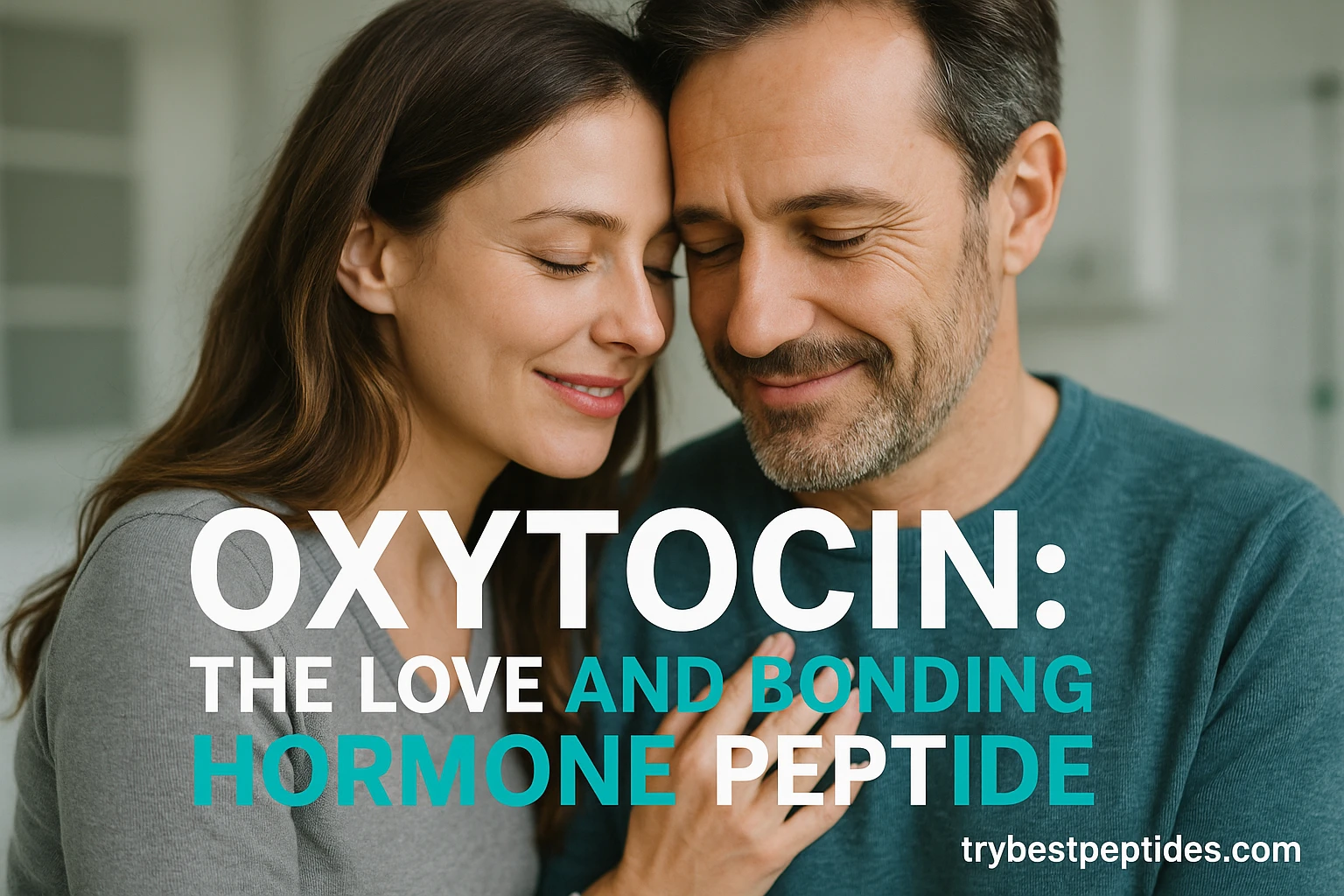
Oxytocin stands as one of nature's most fascinating neurochemicals, earning its reputation as the "love hormone" and "bonding peptide" through its profound effects on human behavior and physiology. This nine-amino acid peptide, scientifically known as an octapeptide, plays a central role in facilitating emotional connection, trust, and social bonding between individuals. Beyond romantic relationships, oxytocin influences maternal instincts, stress reduction, and overall psychological well-being. Produced primarily in the hypothalamus and released by the pituitary gland, this remarkable hormone has captured the attention of researchers, scientists, and health enthusiasts worldwide. Understanding oxytocin's mechanisms and functions opens doors to comprehending the biochemical foundations of human connection and offers insights into potential therapeutic applications for social and emotional health challenges.
What is Oxytocin and How Does It Work?
Oxytocin is a small peptide hormone composed of nine amino acids, which technically classifies it as an octapeptide—though it's often referred to as a nonapeptide due to its exact composition. This molecule operates as both a hormone and a neurotransmitter, allowing it to influence brain function and bodily processes simultaneously.
The peptide is synthesized in the supraoptic and paraventricular nuclei of the hypothalamus and subsequently stored in and released from the posterior pituitary gland. When released into the bloodstream, oxytocin travels throughout the body, binding to oxytocin receptors located in various tissues and organs. In the brain, oxytocin influences neural pathways associated with emotional processing, social recognition, and reward perception.
The molecular structure of oxytocin includes the amino acids cysteine, tyrosine, isoleucine, glutamine, asparagine, cysteine, proline, leucine, and glycine. This specific arrangement creates a molecule small enough to cross certain biological barriers while remaining stable enough to produce significant physiological effects.
The Role of Oxytocin in Social Bonding and Relationships
One of oxytocin's most celebrated functions is its role in facilitating social bonding and strengthening interpersonal connections. The peptide promotes feelings of trust, empathy, and emotional intimacy, making it essential for forming and maintaining healthy relationships.
During physical contact—such as hugging, holding hands, or intimate interactions—oxytocin levels surge, reinforcing positive associations with the other person. This biochemical response explains why physical touch feels rewarding and why separated loved ones often long for physical connection. Partners with higher oxytocin levels typically report greater relationship satisfaction and deeper emotional bonds.
Beyond romantic relationships, oxytocin influences platonic connections and family bonds. The hormone strengthens the mother-infant bond, facilitating maternal caregiving behaviors and attachment security. Research indicates that oxytocin levels increase during positive social interactions of all types, from conversations with friends to community gatherings, suggesting the peptide functions as a social adhesive that encourages human connection.
The trust-promoting properties of oxytocin extend to broader social contexts. Studies have shown that elevated oxytocin can increase prosocial behaviors, generosity, and cooperative tendencies, making individuals more inclined to work together toward common goals.
Oxytocin's Impact on Stress Reduction and Mental Health
Beyond its role in social bonding, oxytocin demonstrates significant capacity for stress reduction and emotional regulation. The peptide activates the parasympathetic nervous system—the body's "rest and digest" response—counteracting the stress-inducing effects of cortisol and adrenaline.
When oxytocin is released, it promotes feelings of calm and security while simultaneously reducing anxiety and fear responses. This calming effect makes the hormone particularly valuable for individuals dealing with stress, anxiety disorders, or trauma-related conditions. Regular oxytocin production, stimulated through social interaction and physical affection, provides a natural buffer against daily stressors.
The peptide also influences the amygdala, the brain's fear and threat-detection center, reducing hypervigilance and excessive threat perception. For individuals with conditions like social anxiety disorder or PTSD, oxytocin's anxiety-reducing properties represent a promising therapeutic avenue.
Additionally, oxytocin supports mood regulation by influencing dopamine and serotonin pathways—neurotransmitters directly linked to feelings of happiness and contentment. This multifaceted approach to mental health explains why strong social connections consistently correlate with improved psychological well-being.
Maternal and Reproductive Functions
Oxytocin's significance in reproduction and maternal care cannot be overstated. During labor, rhythmic oxytocin surges trigger uterine contractions necessary for childbirth, making the hormone essential for successful delivery. The peptide's role extends throughout the entire reproductive process, from sexual response to lactation.
During breastfeeding, oxytocin release creates the milk letdown reflex, allowing milk to flow from the mammary glands to the infant. Beyond this physiological function, oxytocin simultaneously strengthens the emotional bond between mother and child, creating a neurochemical foundation for secure attachment.
The hormone also influences sexual response in both males and females, contributing to pleasure, arousal, and the intense bonding that can occur during intimate moments. This reproductive function illustrates how oxytocin bridges biological necessity with emotional connection.
Oxytocin and Immune Function
Emerging research reveals oxytocin's underappreciated role in supporting immune function and overall health resilience. The peptide influences inflammatory responses, helping to regulate excessive inflammation while supporting appropriate immune reactions to genuine threats.
Chronic stress and social isolation suppress immune function, but oxytocin's stress-reducing properties help maintain immune competence. Studies indicate that individuals with strong social connections—and presumably higher oxytocin levels—experience fewer infections and recover more quickly from illness.
The hormone also supports cardiovascular health by reducing blood pressure and promoting healthy heart rate variability. These physiological benefits suggest that the social and emotional benefits of oxytocin extend to fundamental aspects of physical health and longevity.
Factors That Influence Oxytocin Production and Release
Understanding how to naturally optimize oxytocin levels requires awareness of factors that stimulate its production and release. Physical touch represents one of the most direct triggers—hugging, massage, holding hands, and other forms of affectionate contact reliably increase oxytocin levels.
Social interaction more broadly, particularly positive and meaningful connection, stimulates oxytocin release. Conversations with trusted individuals, group activities, and community engagement all contribute to the peptide's production. Even anticipation of social contact can increase oxytocin levels.
Certain behaviors amplify oxytocin production as well. Acts of kindness, generosity, and prosocial behavior trigger oxytocin release, creating a positive feedback loop where the hormone encourages the very behaviors that stimulate its further production. Meditation, particularly compassion-focused meditation, has also demonstrated oxytocin-enhancing effects.
Conversely, chronic stress, social isolation, and negative relationships suppress oxytocin production. Individuals experiencing loneliness or social rejection often exhibit lower oxytocin levels, contributing to the well-documented health consequences of social disconnection.
Clinical Applications and Research Directions
The therapeutic potential of oxytocin has attracted significant scientific interest, with research exploring applications for various conditions. Autism spectrum disorder represents a major focus, as some individuals on the spectrum show altered oxytocin signaling. Clinical trials investigating oxytocin supplementation have shown promising results for improving social cognition and reducing social anxiety in this population.
Research into anxiety disorders, depression, and PTSD continues to reveal oxytocin's therapeutic promise. The hormone's ability to reduce fear and promote calm makes it a compelling candidate for treatments addressing trauma and anxiety-related conditions.
Addiction research has also begun exploring oxytocin's potential role in supporting recovery, as the peptide's reward-system influences may help redirect addictive patterns toward healthier social connections.
However, it's important to note that oxytocin's effects are complex and context-dependent. The hormone can sometimes increase in-group favoritism or reduce threat perception in potentially dangerous situations, indicating that therapeutic applications require careful consideration and research-based protocols.
Practical Strategies for Optimizing Oxytocin Naturally
For those seeking to enhance oxytocin production through lifestyle choices, several evidence-based strategies prove effective. Prioritizing meaningful relationships and regular social interaction forms the foundation—investing time in connections with family, friends, and community members consistently promotes healthy oxytocin levels.
Physical affection deserves deliberate attention. Regular hugging, cuddling with partners or pets, and massage all stimulate oxytocin release. Even brief moments of physical contact throughout the day accumulate significant benefits.
Acts of kindness and volunteering trigger oxytocin production while simultaneously fostering positive social connections. Engaging in charitable work or helping others creates a double benefit, as the resulting oxytocin reinforces the desire to continue prosocial behaviors.
Mindfulness and meditation practices, particularly those emphasizing compassion and loving-kindness, support oxytocin production. Spending time in nature and engaging in enjoyable group activities further promotes the hormone's release.
Finally, creating an environment that minimizes chronic stress allows oxytocin systems to function optimally. Adequate sleep, regular exercise, and stress-management practices all support healthy oxytocin signaling.
Conclusion
Oxytocin represents far more than a simple hormonal molecule—it embodies the biological underpinnings of human connection, emotional resilience, and social thriving. From facilitating the deepest bonds between loved ones to supporting immune function and mental health, this remarkable peptide influences nearly every aspect of human well-being.
The science of oxytocin reveals that our social needs are not merely psychological preferences but biological imperatives rooted in our neurochemistry. Prioritizing meaningful relationships, physical affection, and prosocial behaviors isn't simply emotionally satisfying—it's fundamentally how we maintain optimal health and resilience.
As research continues to unveil oxytocin's mechanisms and potential applications, the evidence becomes increasingly clear: love and connection are not luxuries but essential components of human physiology. By understanding and nurturing oxytocin production through conscious lifestyle choices, we can optimize our capacity for happiness, health, and meaningful connection.
Key Takeaways
-
Definition: Oxytocin is a nine-amino acid peptide hormone produced in the hypothalamus and released by the pituitary gland, functioning as both a hormone and neurotransmitter.
-
Social Bonding: The peptide powerfully facilitates trust, empathy, and emotional intimacy in all types of relationships—romantic, familial, and platonic.
-
Stress Reduction: Oxytocin activates the parasympathetic nervous system, reducing anxiety, fear responses, and cortisol levels while promoting feelings of calm.
-
Reproductive Role: The hormone is essential for childbirth contractions, lactation, milk letdown reflex, and sexual response in both males and females.
-
Immune Support: Oxytocin regulates inflammation, supports immune function, and promotes cardiovascular health, contributing to overall physical resilience.
-
Natural Optimization: Physical touch, meaningful social interaction, acts of kindness, meditation, and minimizing chronic stress all naturally enhance oxytocin production.
-
Therapeutic Potential: Ongoing research explores oxytocin's applications for autism spectrum disorder, anxiety, depression, PTSD, and addiction recovery.
-
Lifestyle Impact: Prioritizing relationships, affection, and prosocial behavior creates biochemical foundations for optimal mental and physical health.
-